
Springing through March
Asplenium sweep and Spring Ephemerals

(Written Friday 4/3/26)
The first week of April has arrived and it’s 80 degrees outside at six o’clock in the evening, but don’t worry, it’s going to hit freezing again next week; the joys of spring. Even though March was incredibly busy, I feel like I’ve had enough field work to hit the majority of my targets. From my master list, I only have ten misses for the month. A few of these species are waifs and not to be expected (*Viola tricolor, *Spergula morisonii, *Eruca vesicaria). I think I can still pick up most of these species in April so I don’t feel like I have missed any species yet, even the waifs are still doable.
I rolled into April with 271 species. The flood gates are about to open. I’ve become a bit intimidated after looking over the my list for this weekend’s species. On to the Pocomoke tomorrow. It’s going to be a short day since it’s Colleen’s birthday! Sunday is going to be dramatic: Chestertown, Susquehanna SP, back to Ferry Hill, Snyder’s Landing, Carderock, Cabin John, Sligo Creek, Watkins Regional Park, and Oxon Hill are all on the agenda.
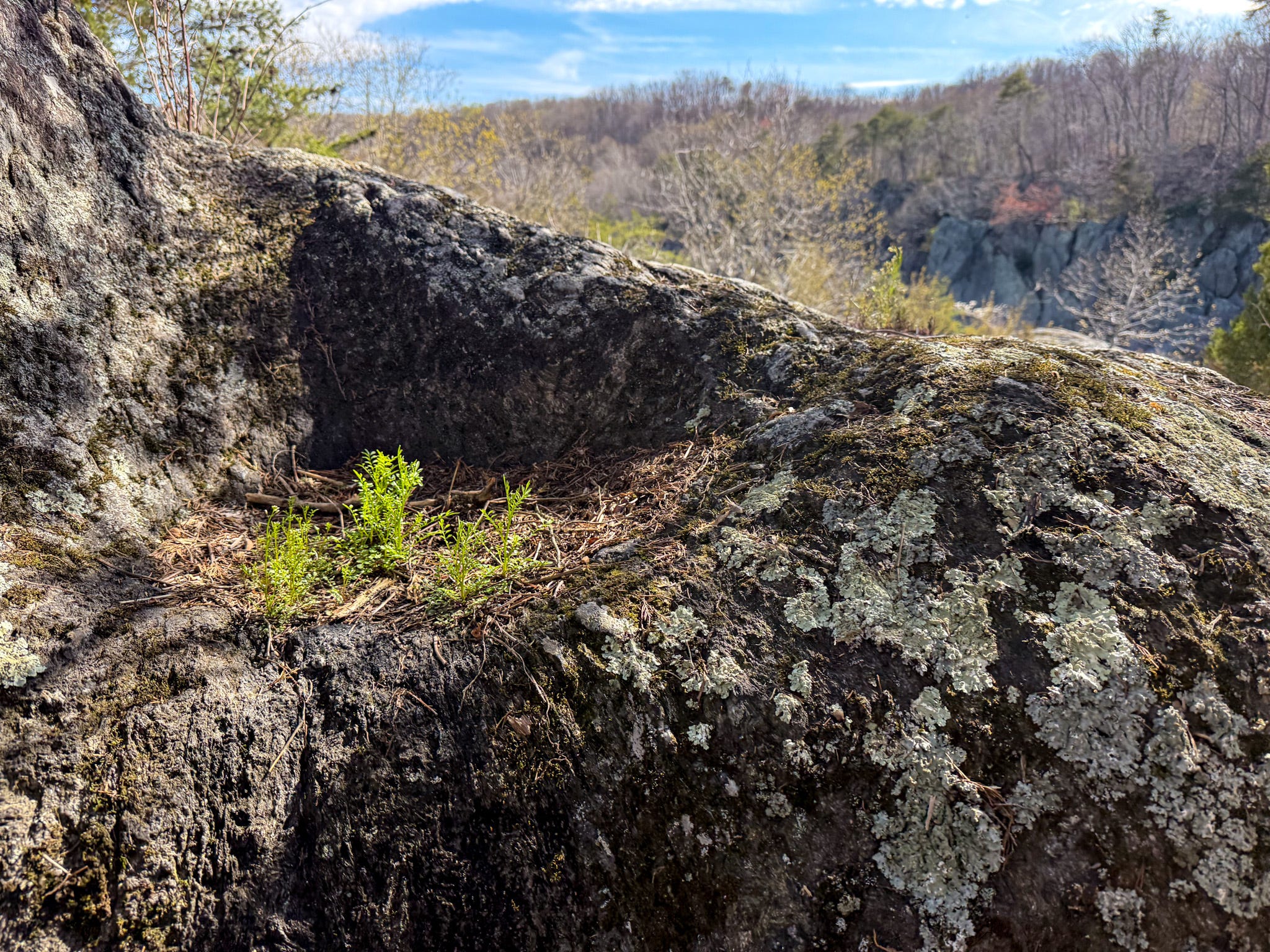
I’m getting ahead of myself. Let’s talk about March. Most of the month was spent exploring the Potomac River between Snyder’s Landing (Washington County) and Carderock (Montgomery County). We made a brief foray up to the Catoctins (Frederick County) to tick Bradley’s Spleenwort (Asplenium bradleyi). Bradley’s Spleenwort is a very rare fern with only a few known populations in the state. Forestseasons on iNaturalist found a small population in the Catoctins back in 2024. Tom Feild, Chris Evans, and I searched for the plants and easily found them on 3/14. There was one large plant, but even more exciting were all the immature ferns found growing near the parent plant! After ticking the Bradley’s Spleenwort I only needed one more species for the Maryland Asplenium sweep.
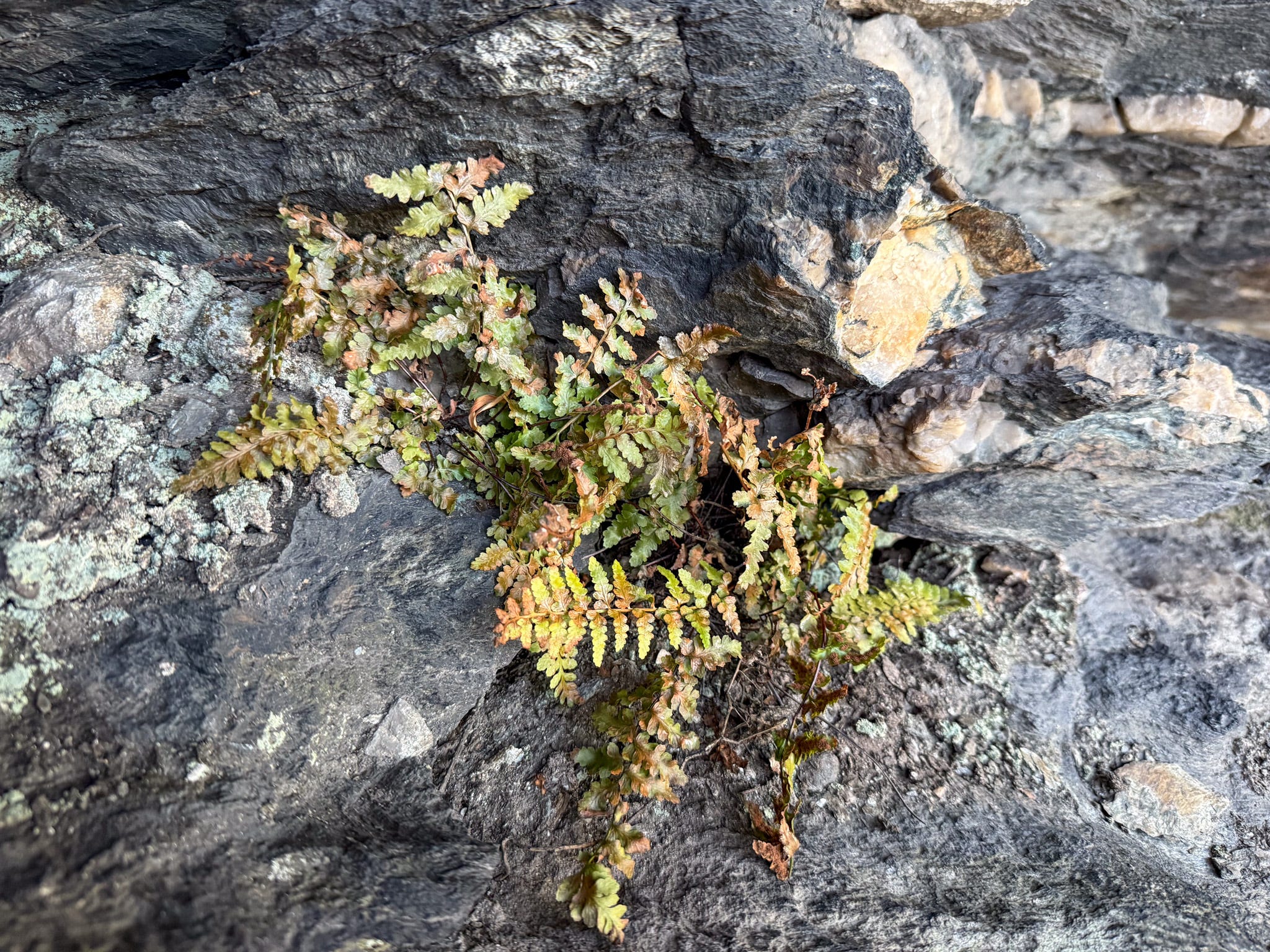
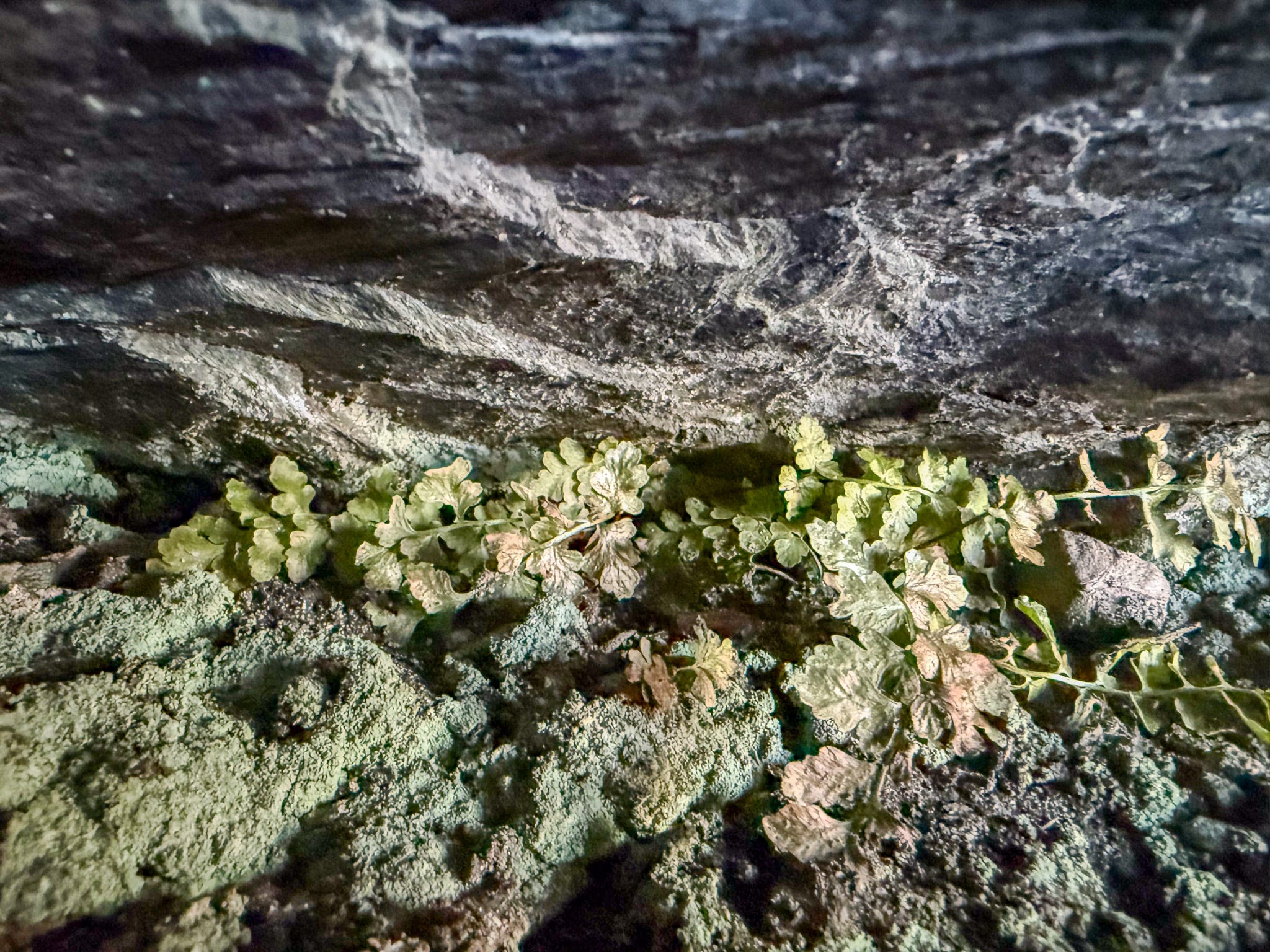
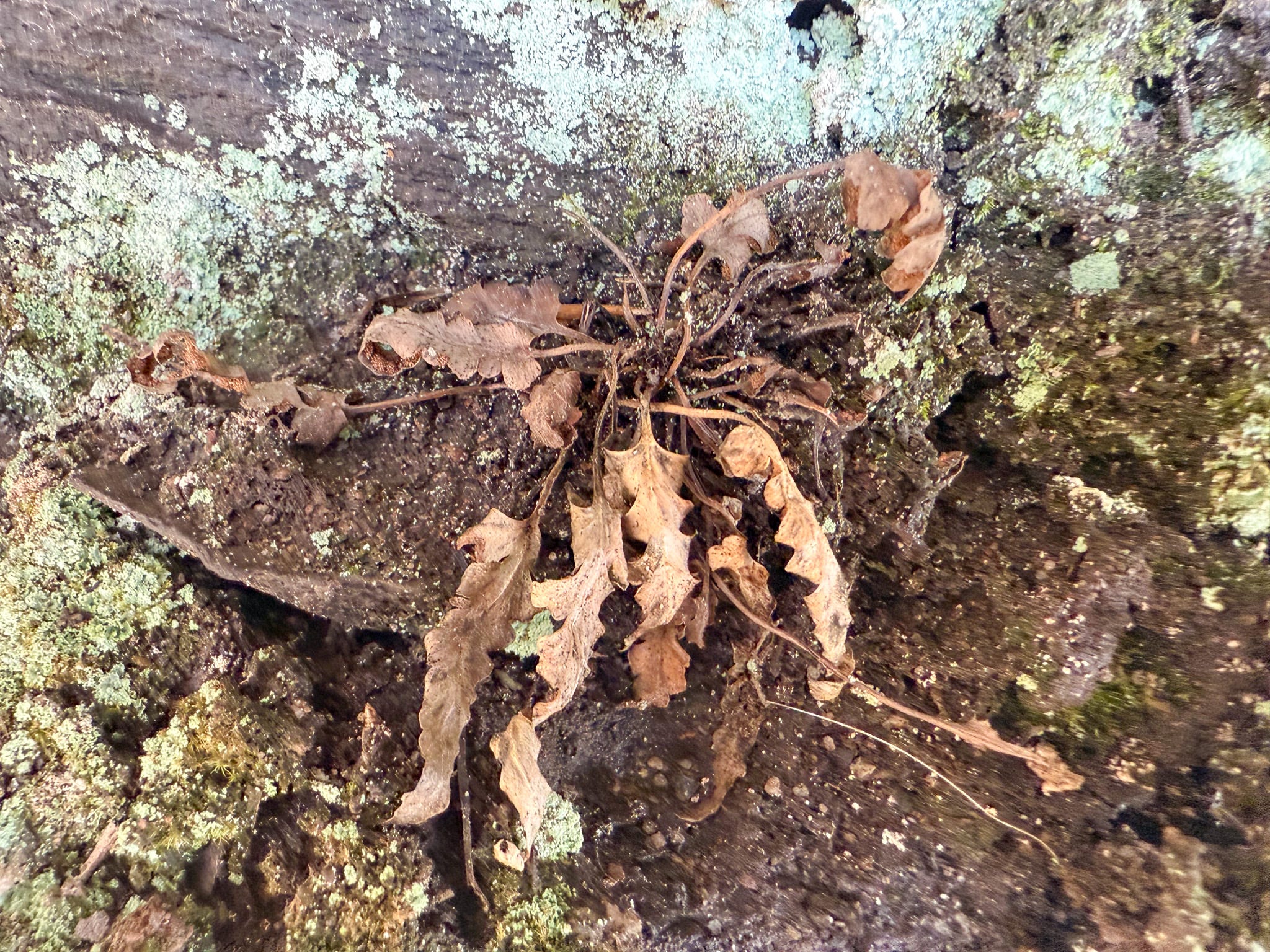
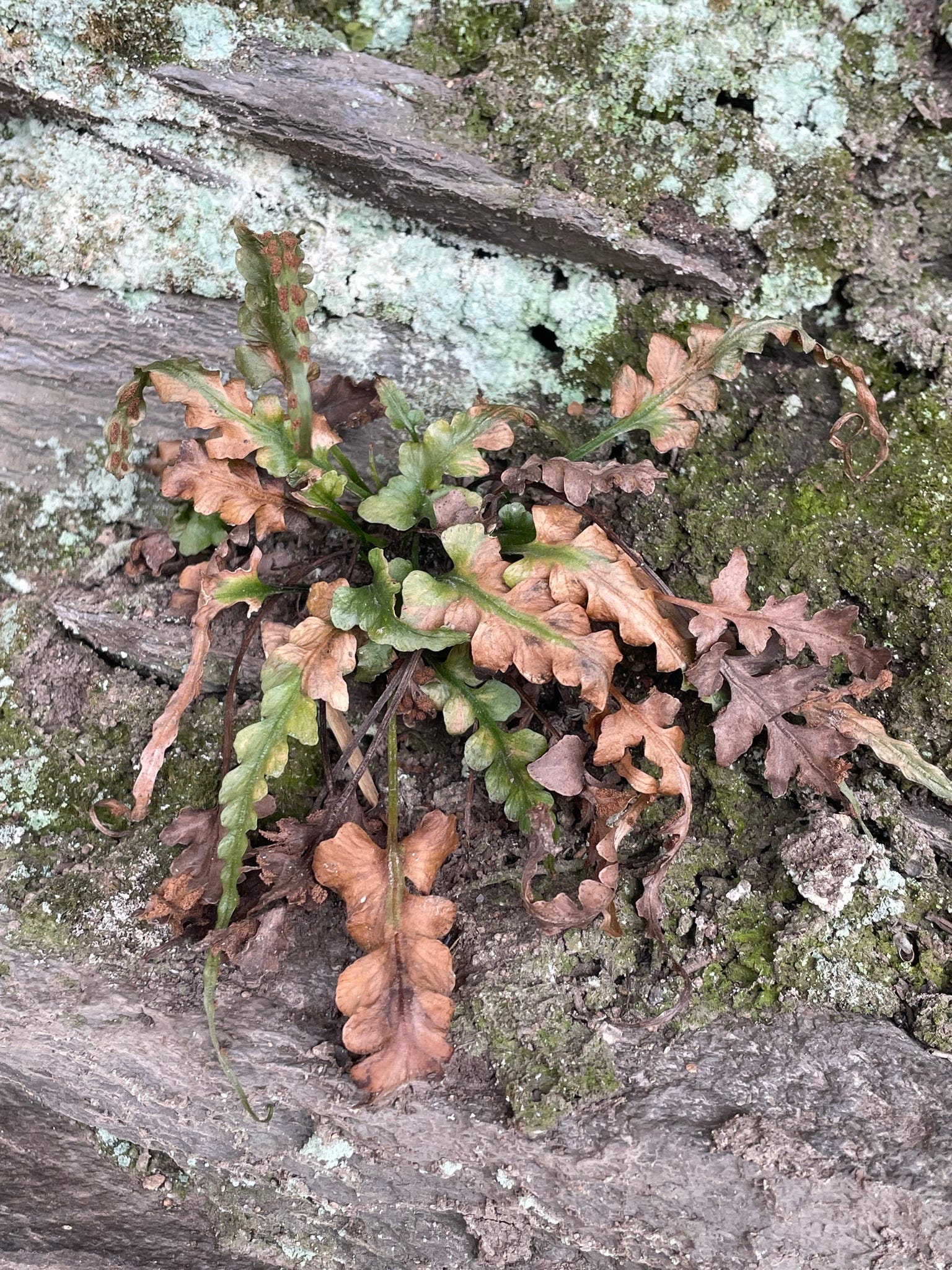
On March 21 Tom Feild and I made the trek to tick my final Asplenium species - Lobed Spleenwort (Asplenium pinnatifidum). Lobed Spleenwort is another very rare fern. Back in 2022 Tom and I were lucky to stumble across a single individual plant growing along a cliff face above the Potomac in Washington County. We have gone back every year in March to make sure the fern is still there. This year we made the trek and were disillusioned to find the fern mostly shriveled and appearing quite unhealthy. This is most likely due to the bad drought we have been experiencing. Hopefully, it gets some much needed moisture.
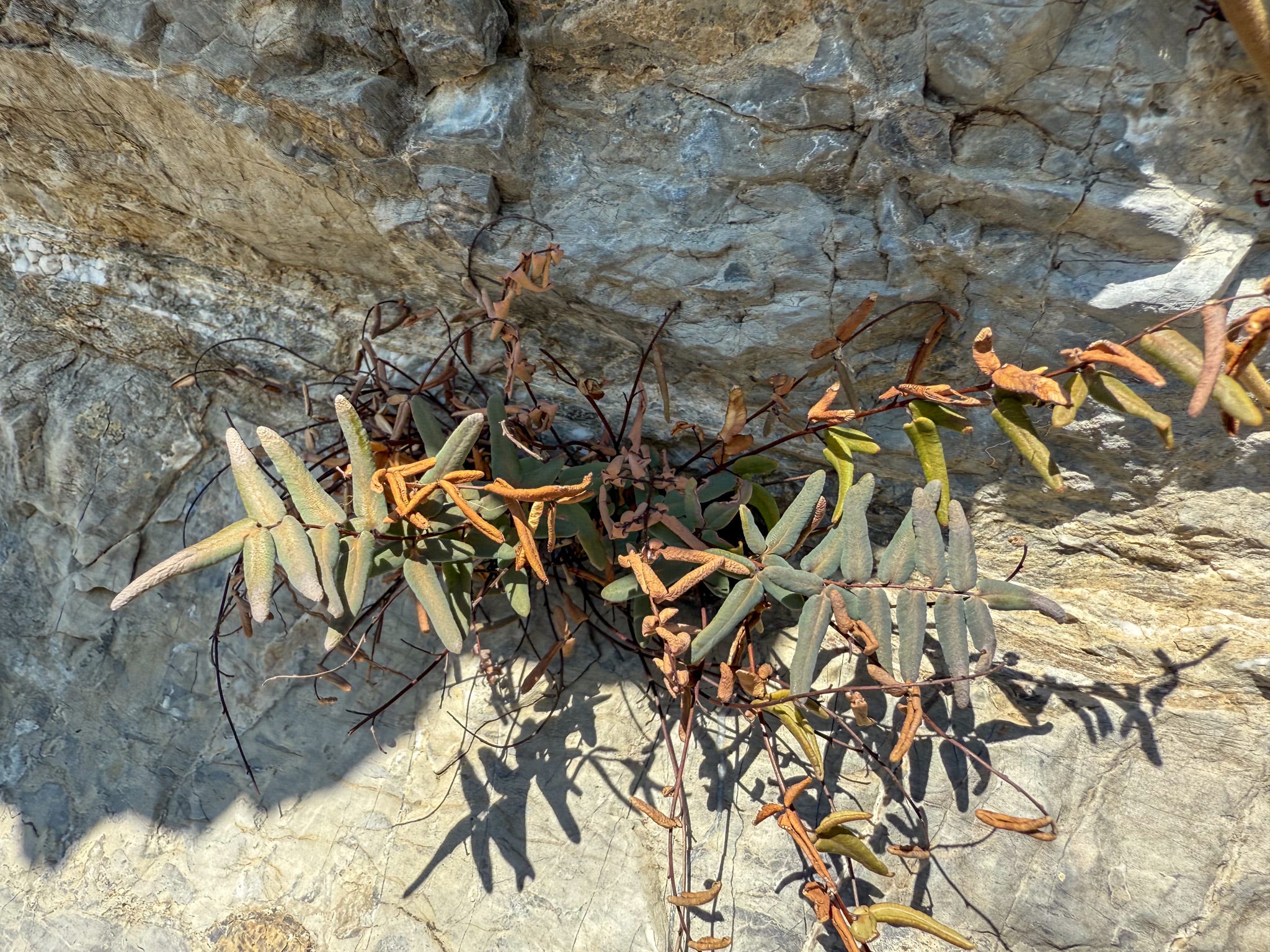
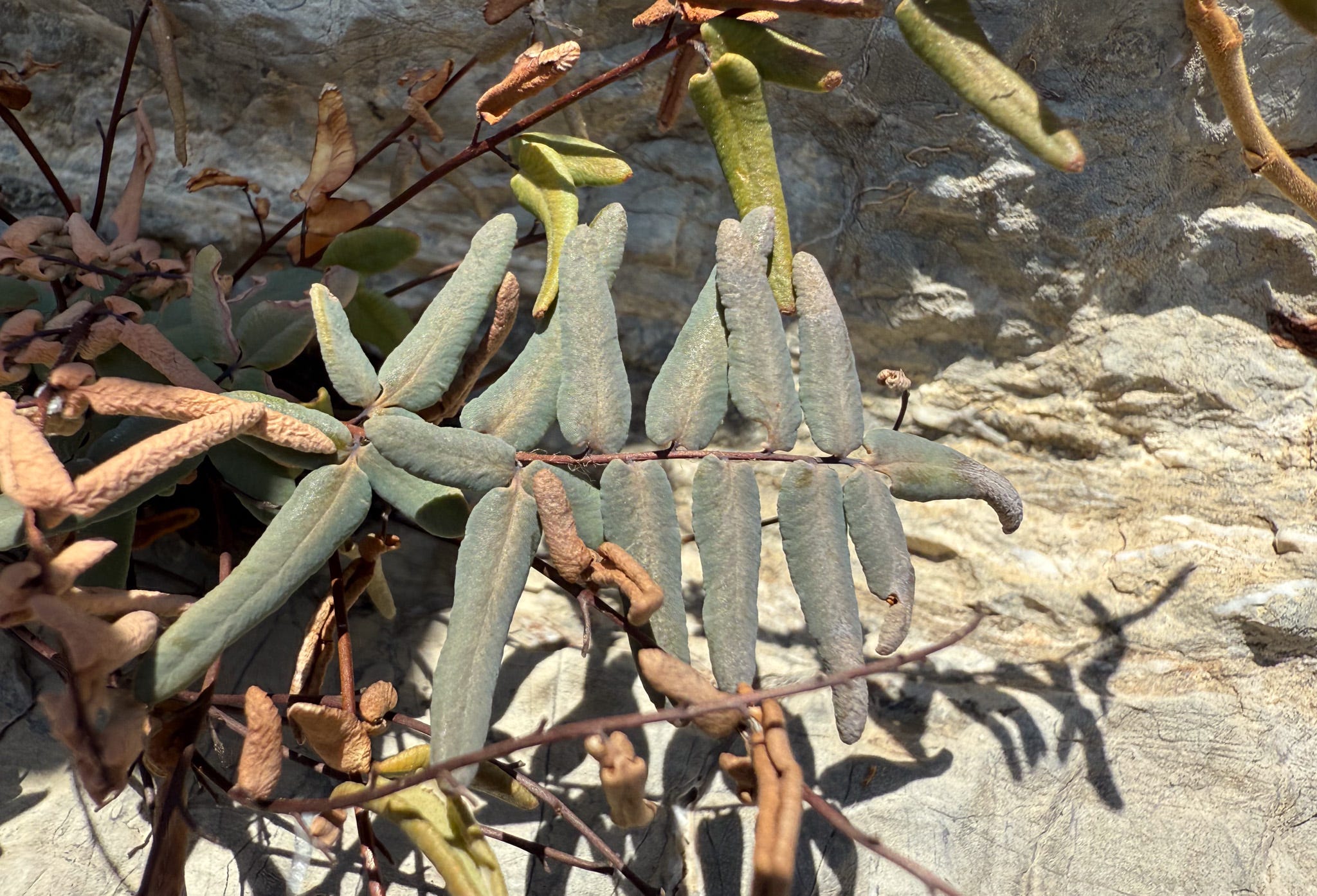
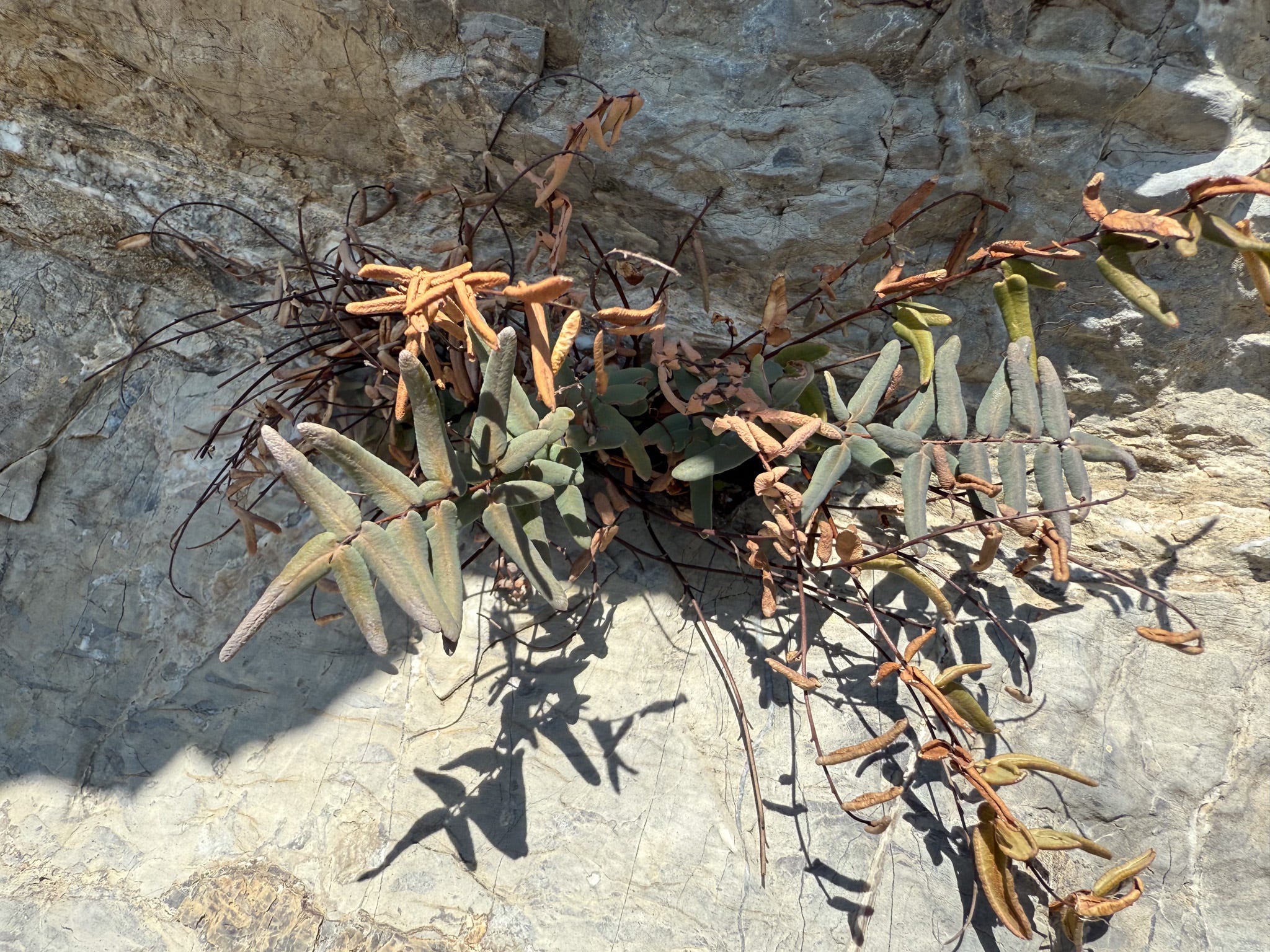
On March 14 we ticked another super rare Maryland fern along the Potomac. Smooth Cliffbrake (Pellaea glabella), like many fern species, is very habitat specific. According to the Rare, Threatened, and Endangered Plants of Maryland (Frye, 2025) Smooth Cliffbrake likes dry limestone cliff faces. There is a population along the C&O Canal in Washington County that has quite a few plants that are easily accessible. Unlike the more common Purple Cliffbrake (Pellaea atropurpurea) which has pubescent rachises and long-stalked petioles, Smooth Cliffbrake has glabrous rachises and the pinnae are sessile or on short stalks (Weakley, 2026).
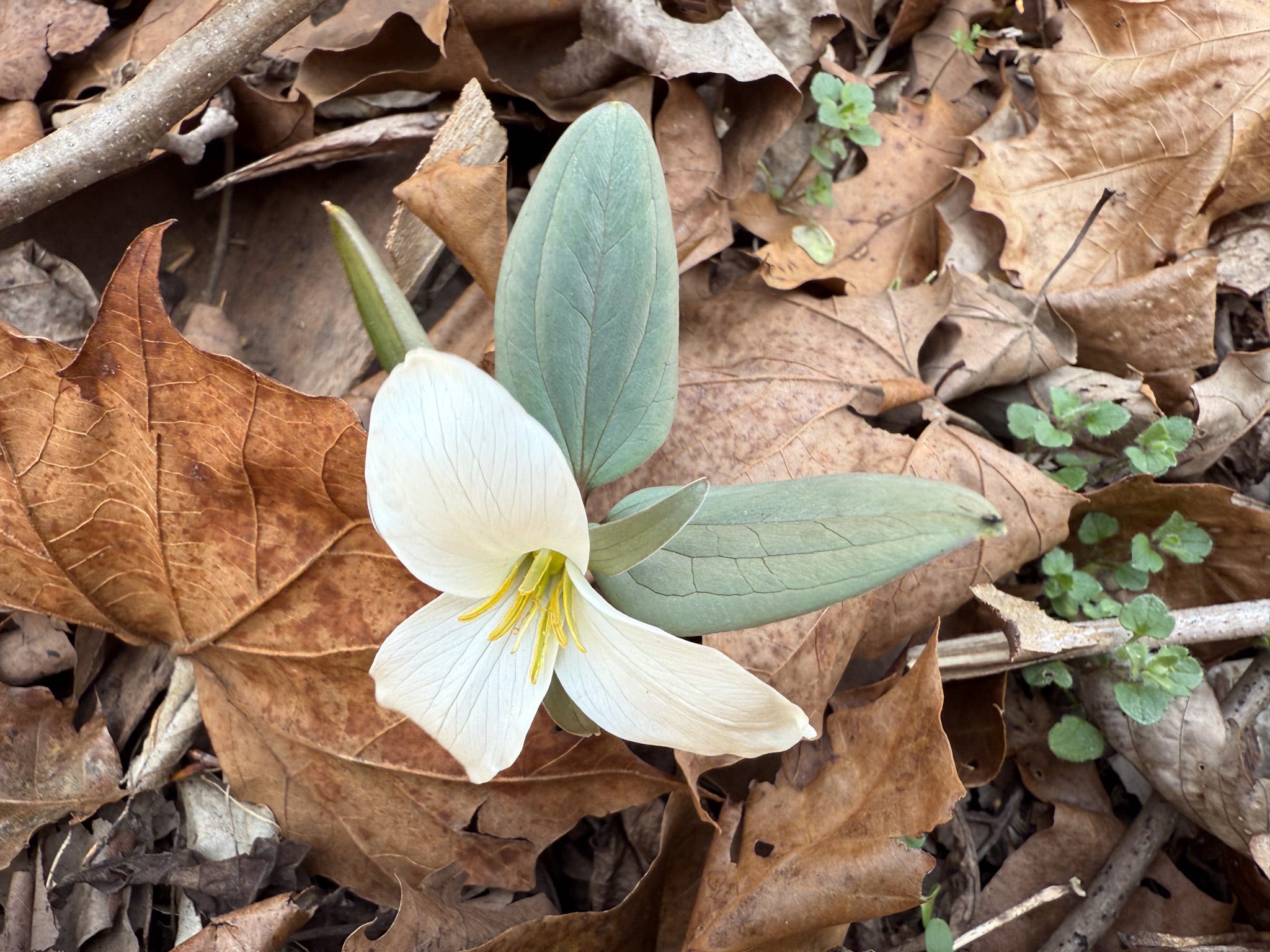
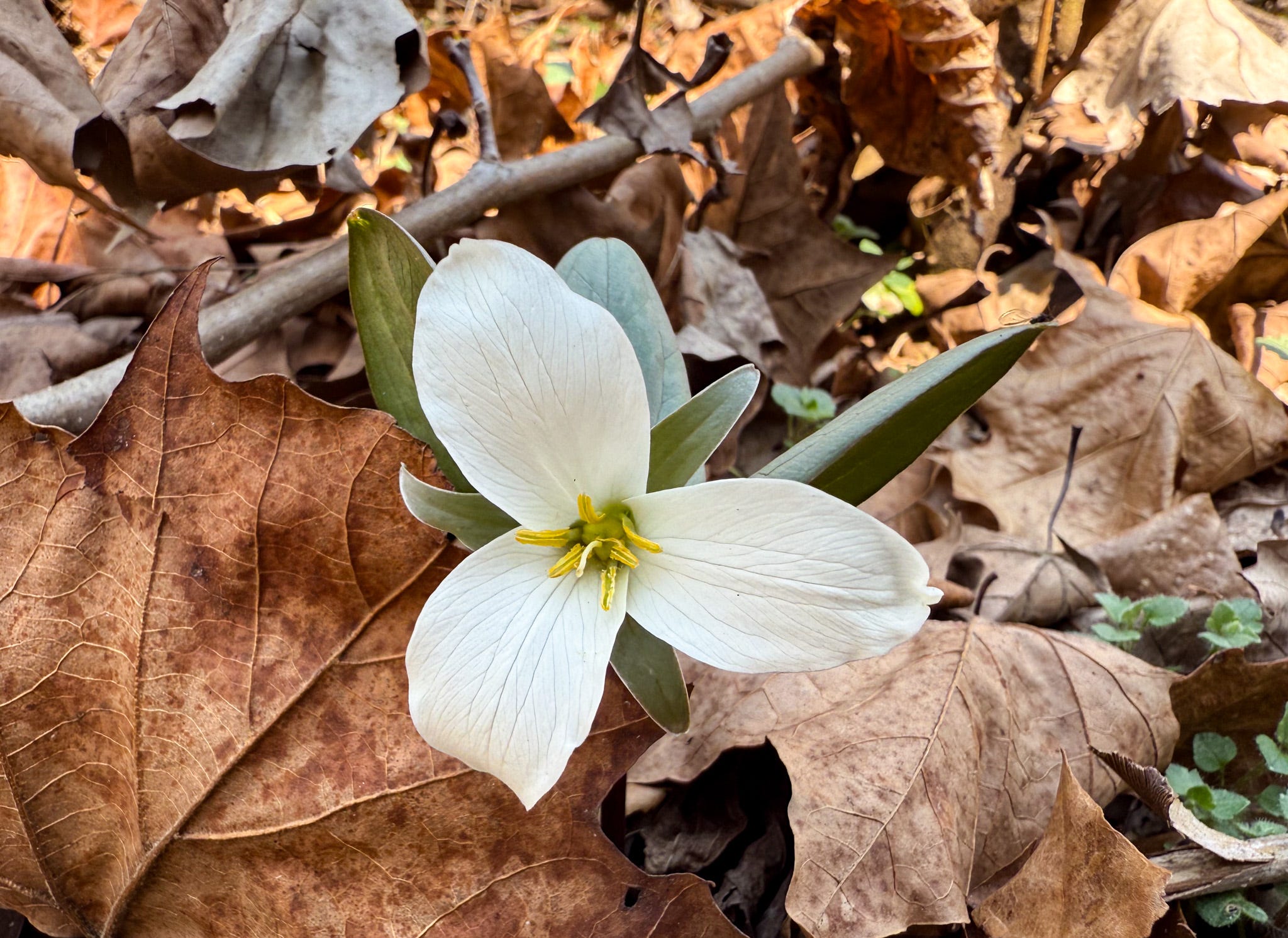
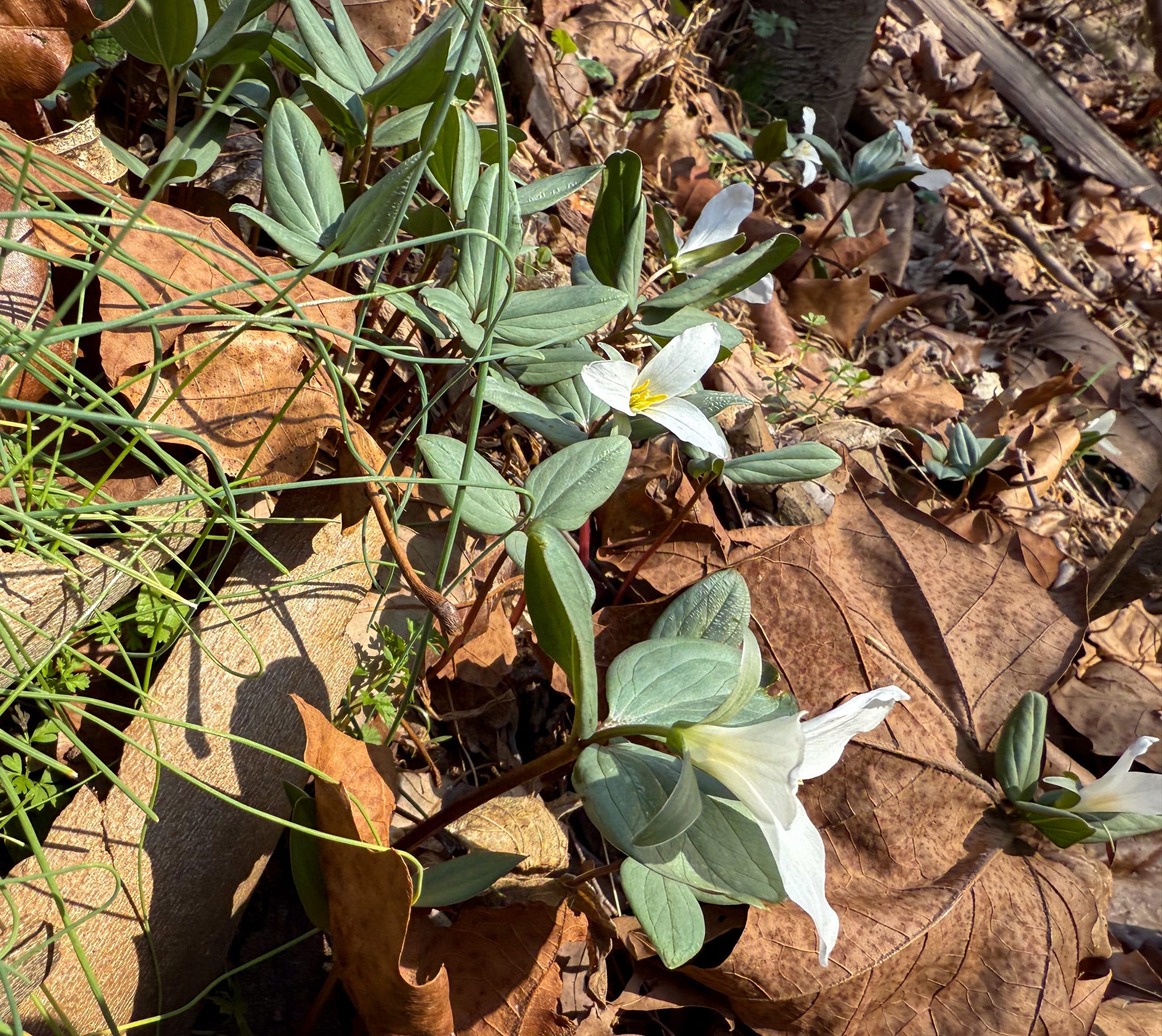
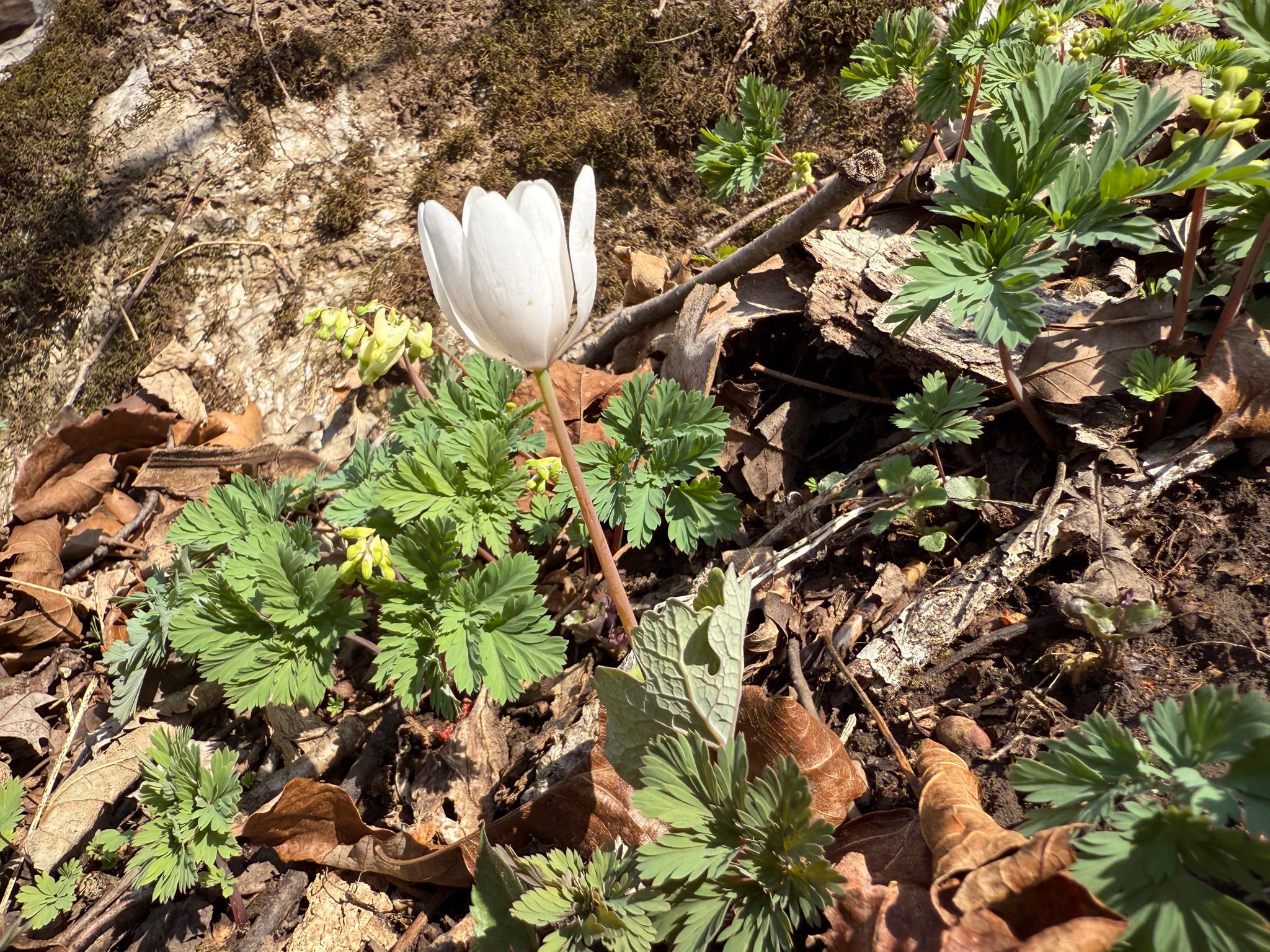
As mentioned above, Chris Evans and Tom Feild joined me on March 14. It was a long day. We walked over 11 miles. It was worth it. This was the day where we documented Maryland’s only population of Snow Trillium (Trillium nivale). On the walk to see the trilliums we also saw our first Bloodroot (Sanguinaria canadensis), Dutchman’s Breeches (Dicentra cucullaria), and loads of Virginia Bluebells (Mertensia virginica) in bud. Non-natives included daffodils (*Narcissus sp.) that were growing along the banks of the Potomac River, Osage Orange (*Maclura pomifera), and the first of the two Maryland grape hyacinth species (*Muscari botryoides).
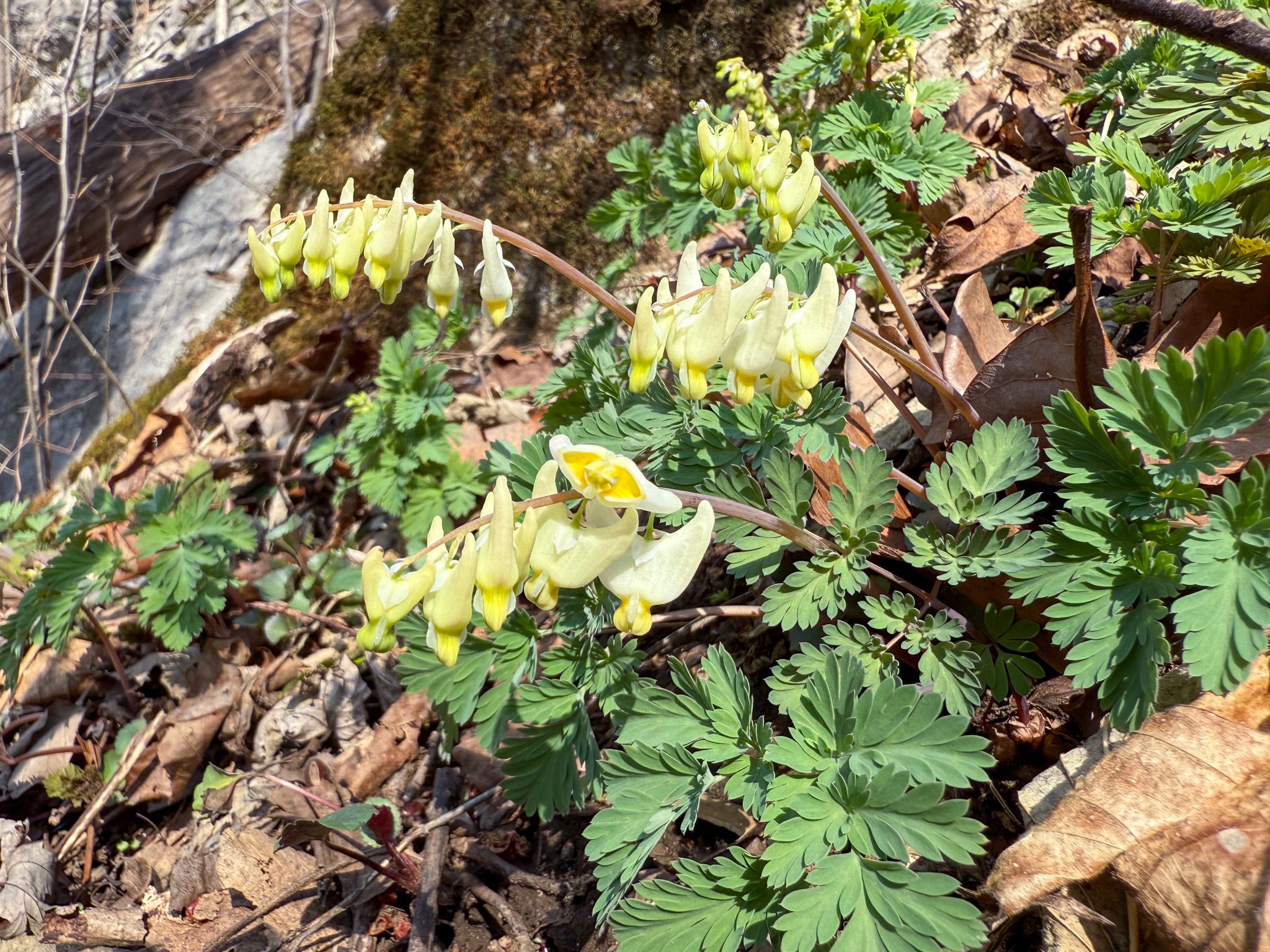
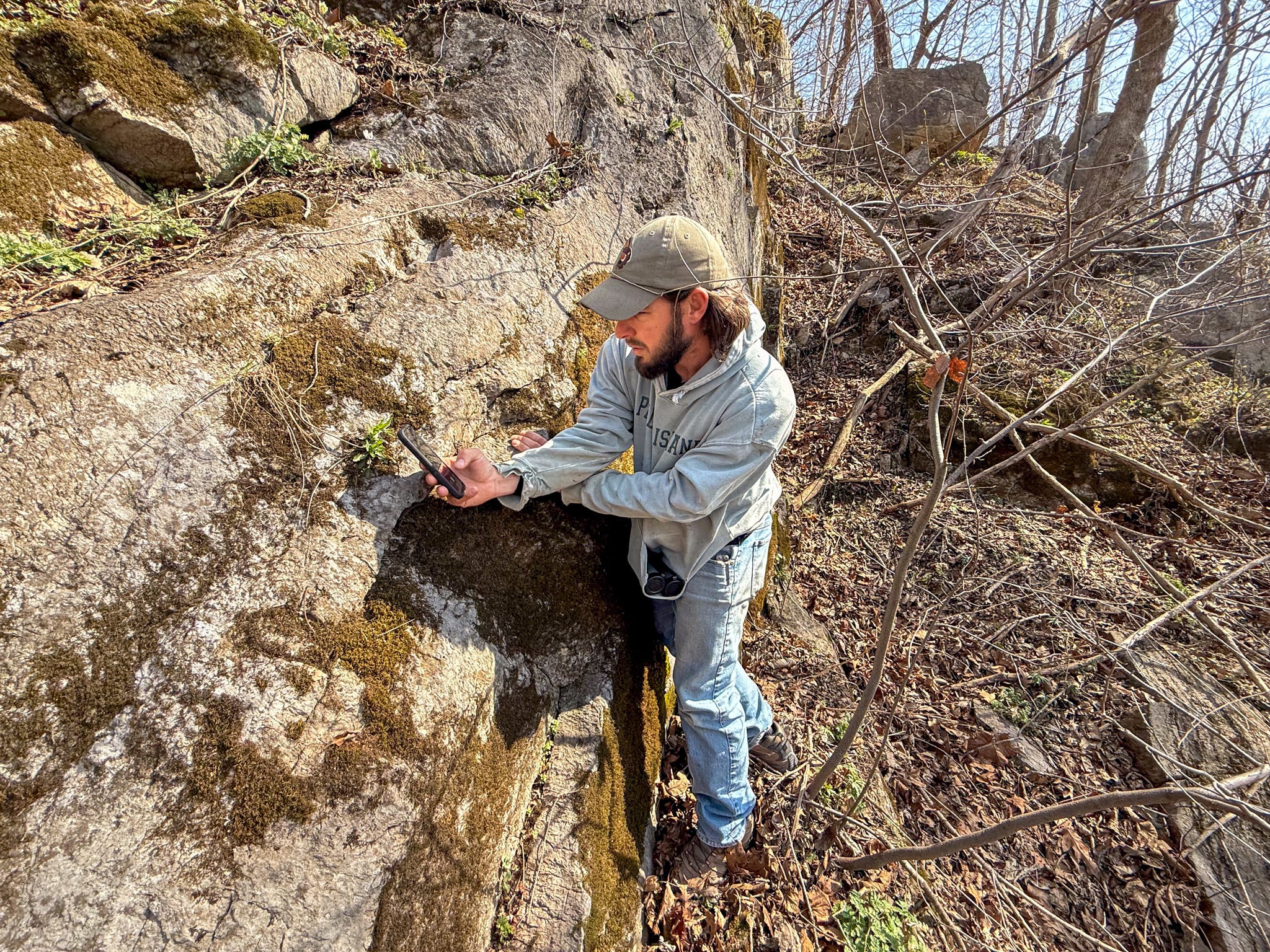
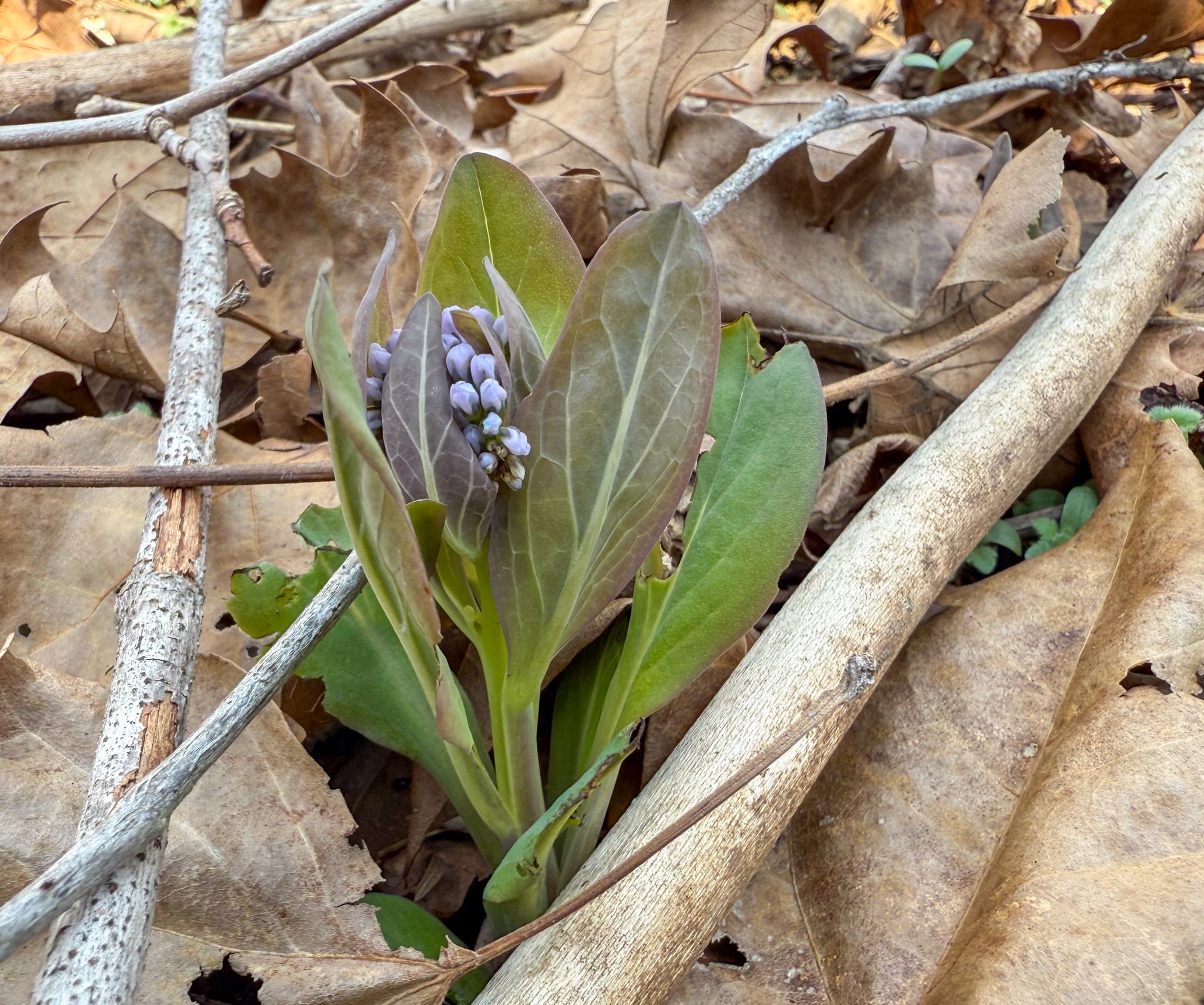
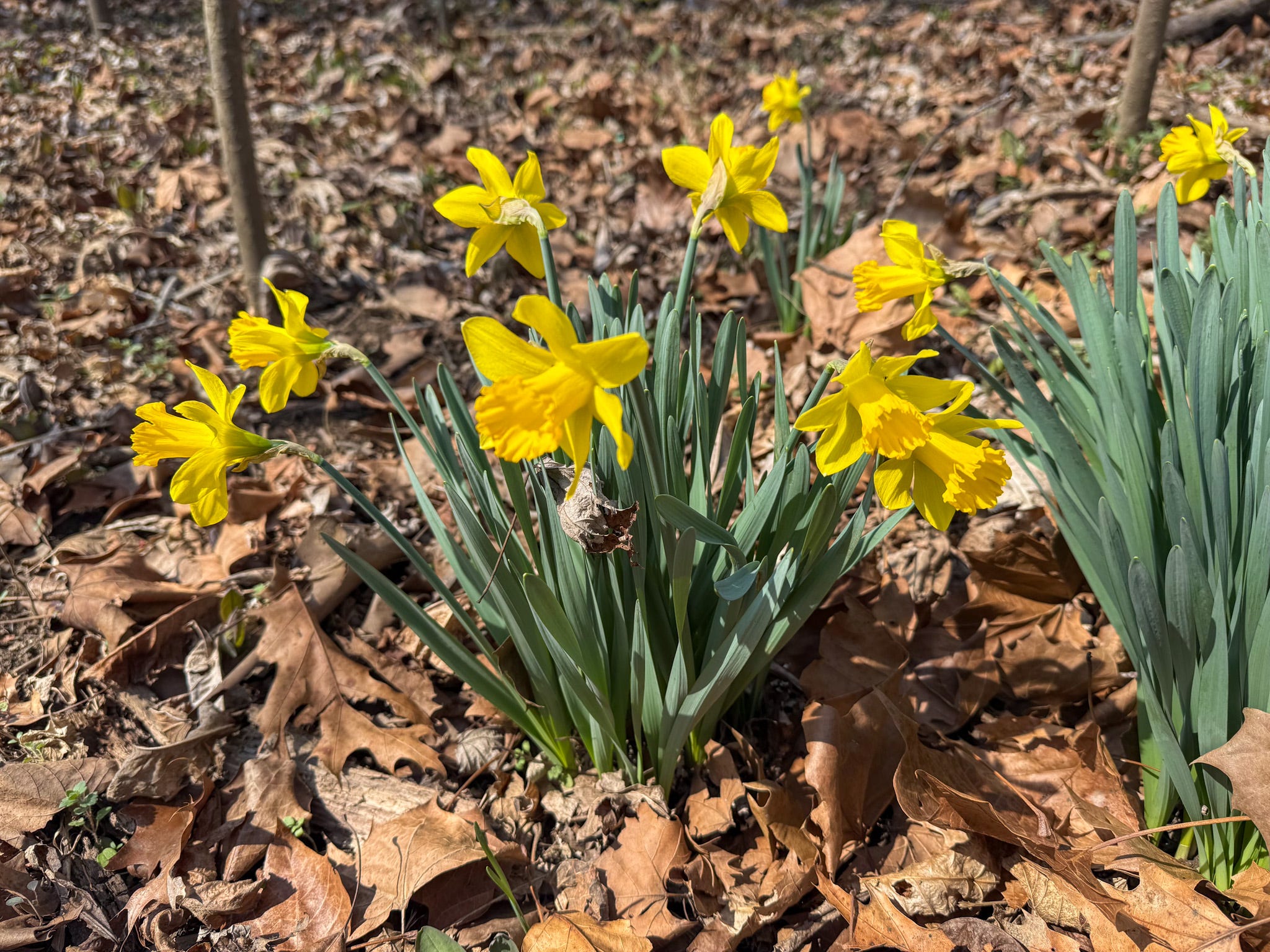
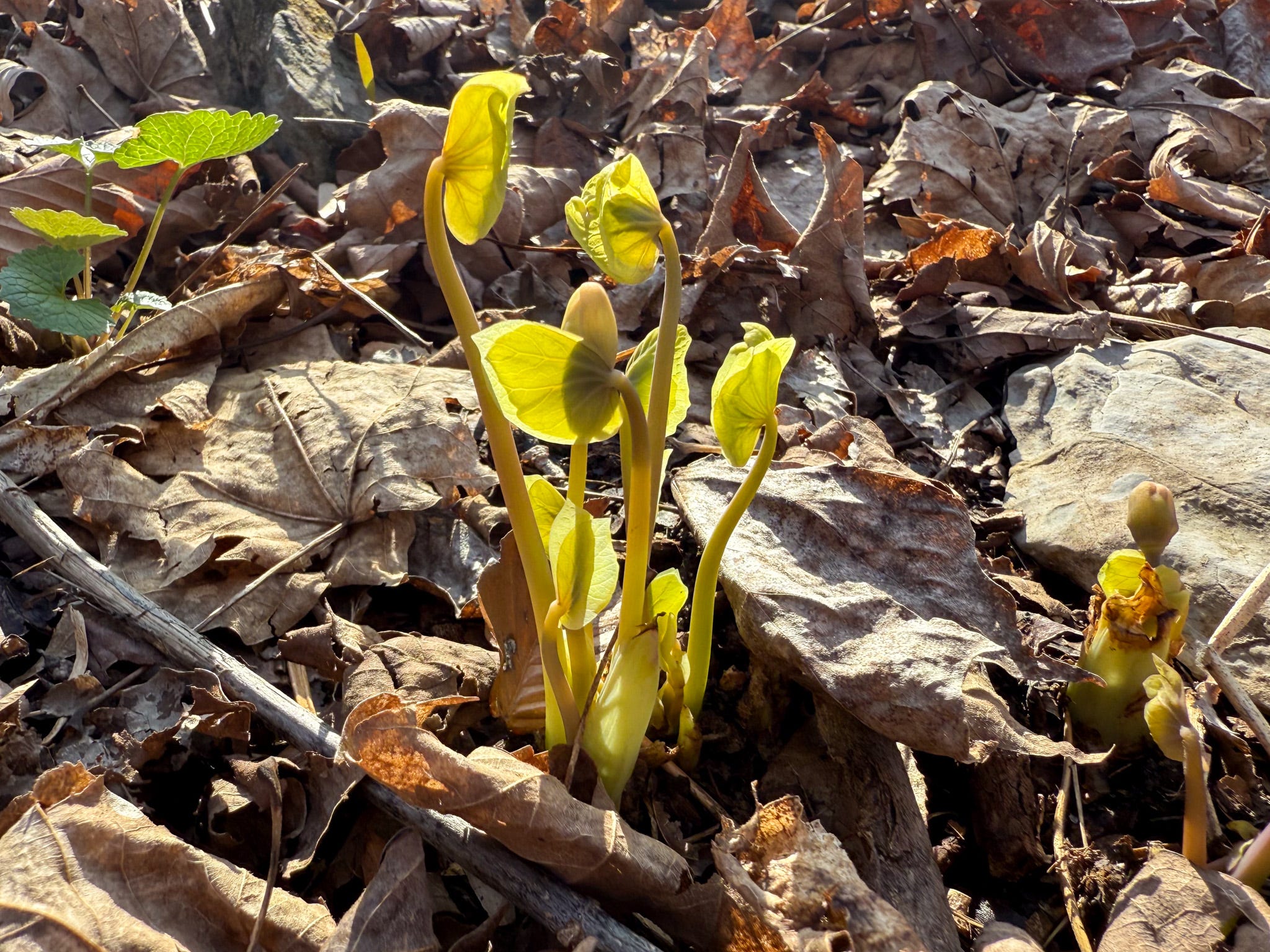
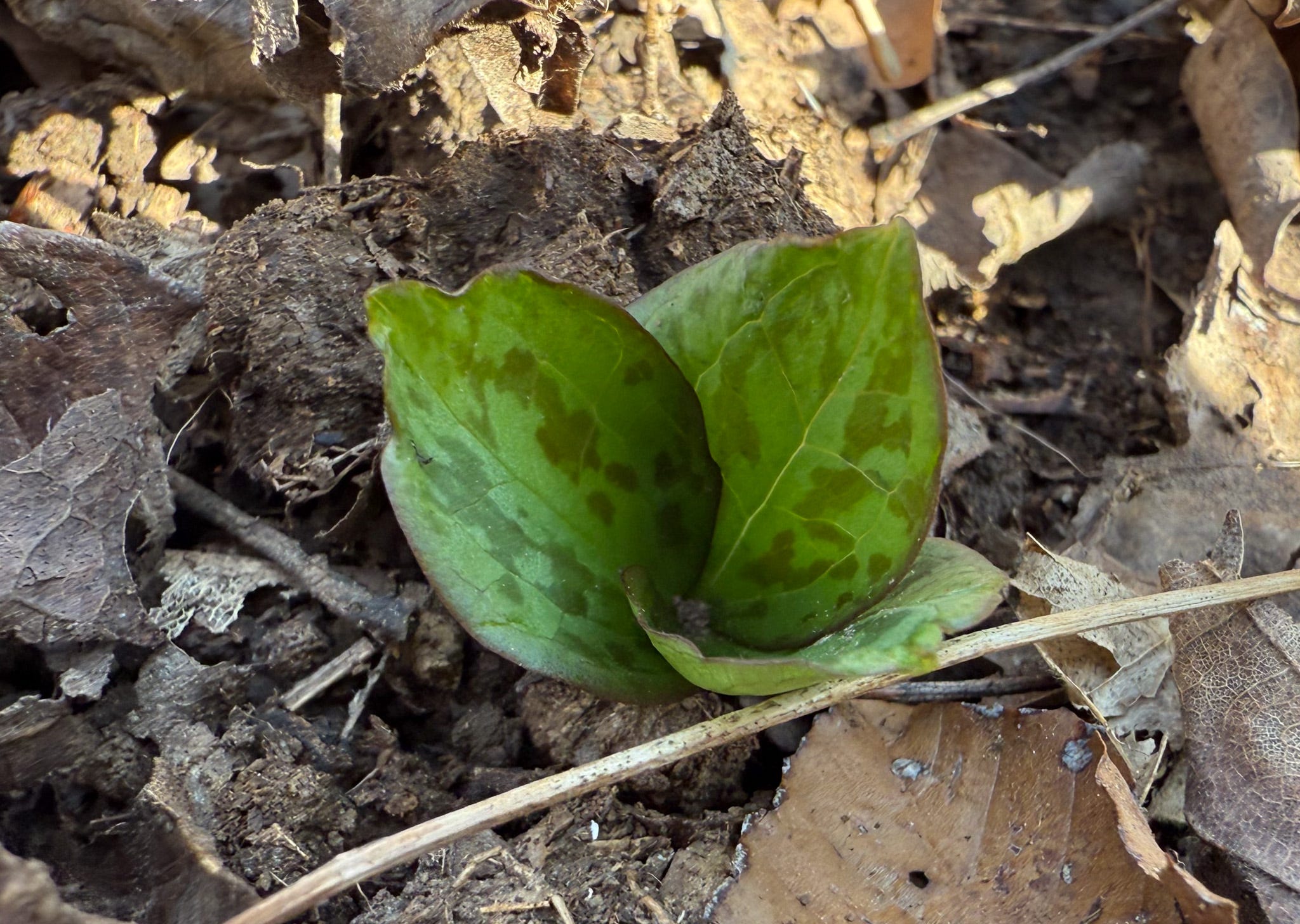
We made a brief stop at Snyder’s Landing in Washington County to see if the Twinleaf (Jeffersonia diphylla) was blooming. We were probably a week early, but we did find the plants. We also saw our first trout lilies (Erythronium sp.) of the year (only leaves), and Sessile Trillium (Trillium sessile) were just starting to unfurl.
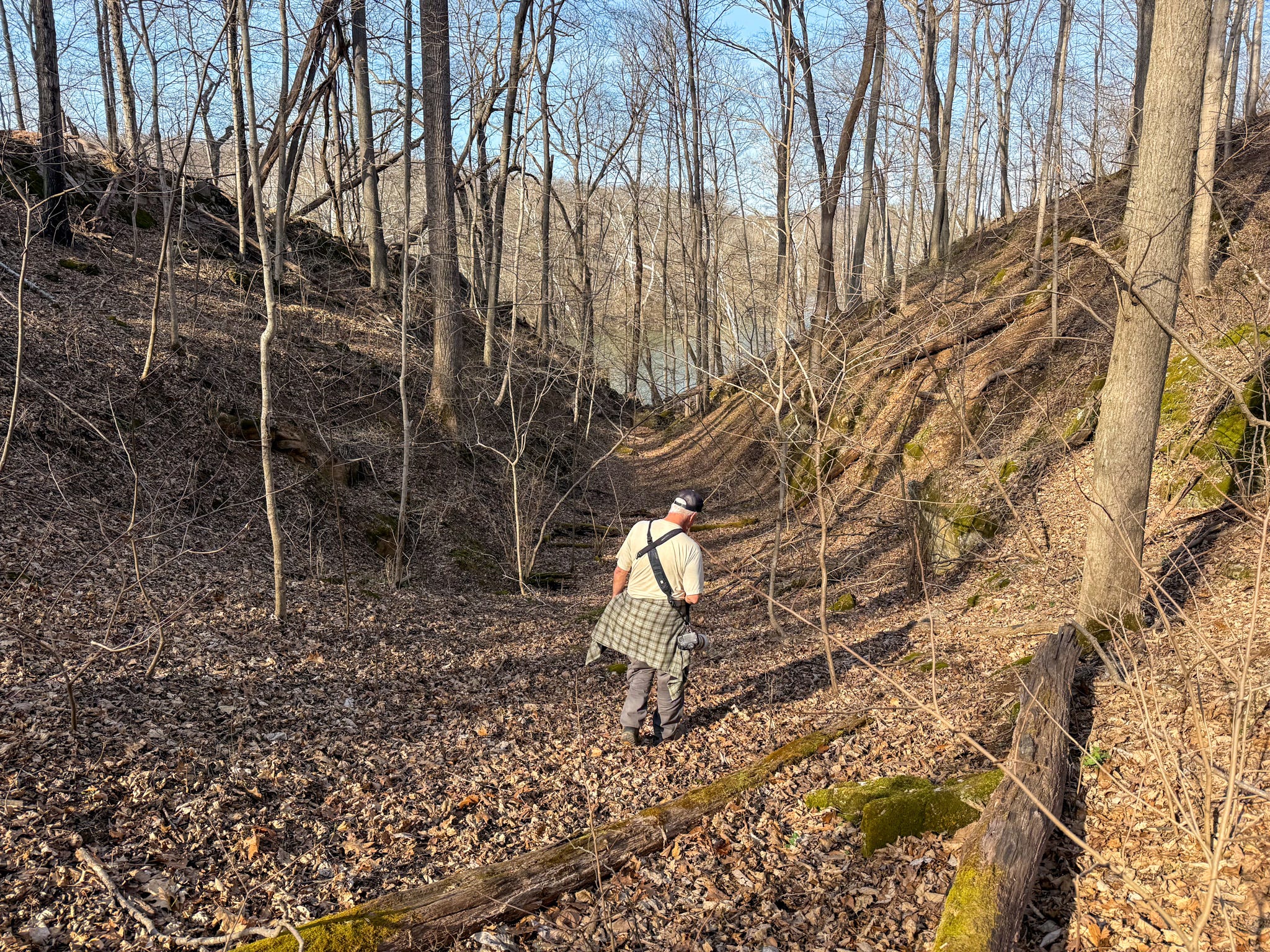
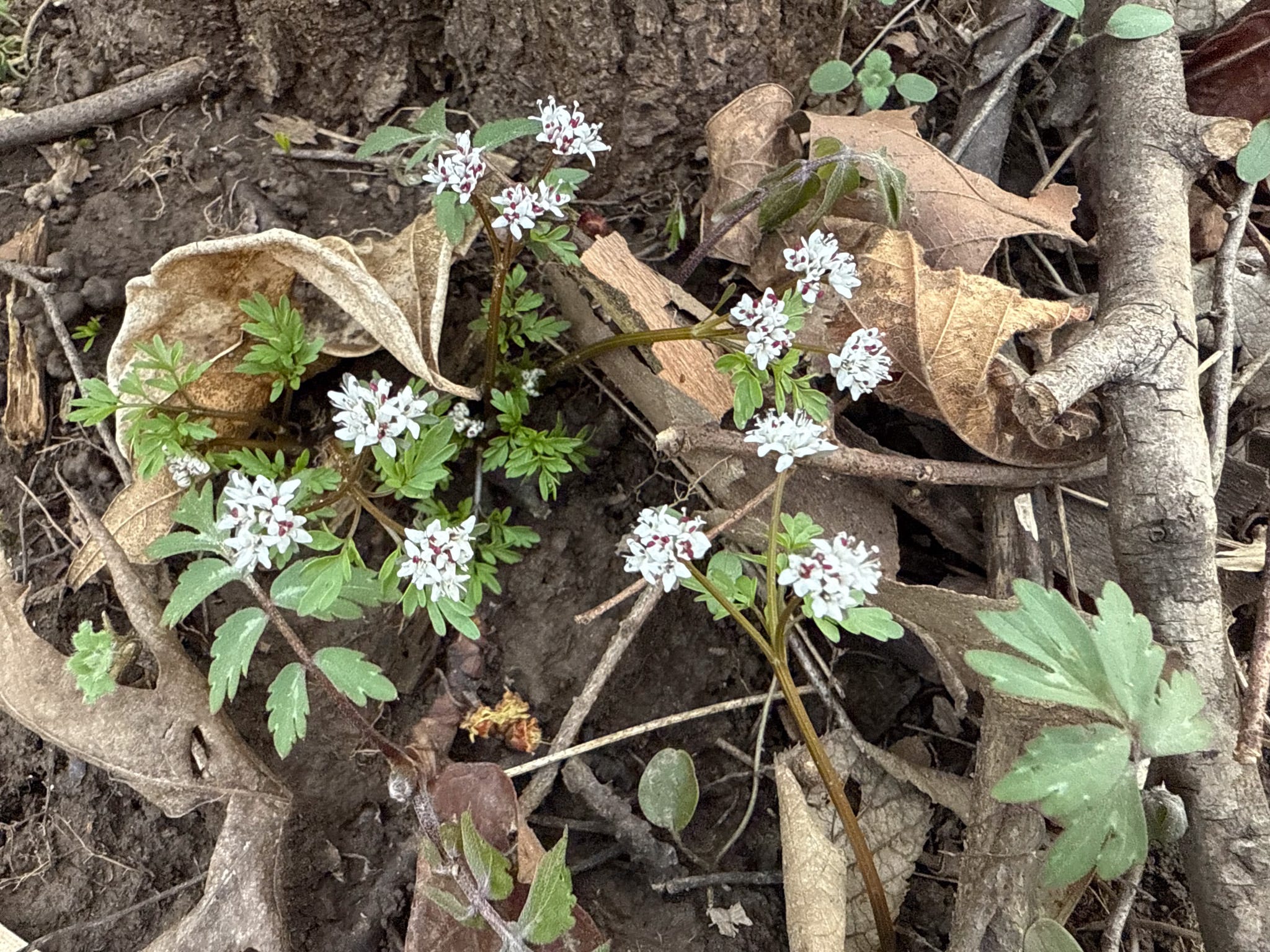
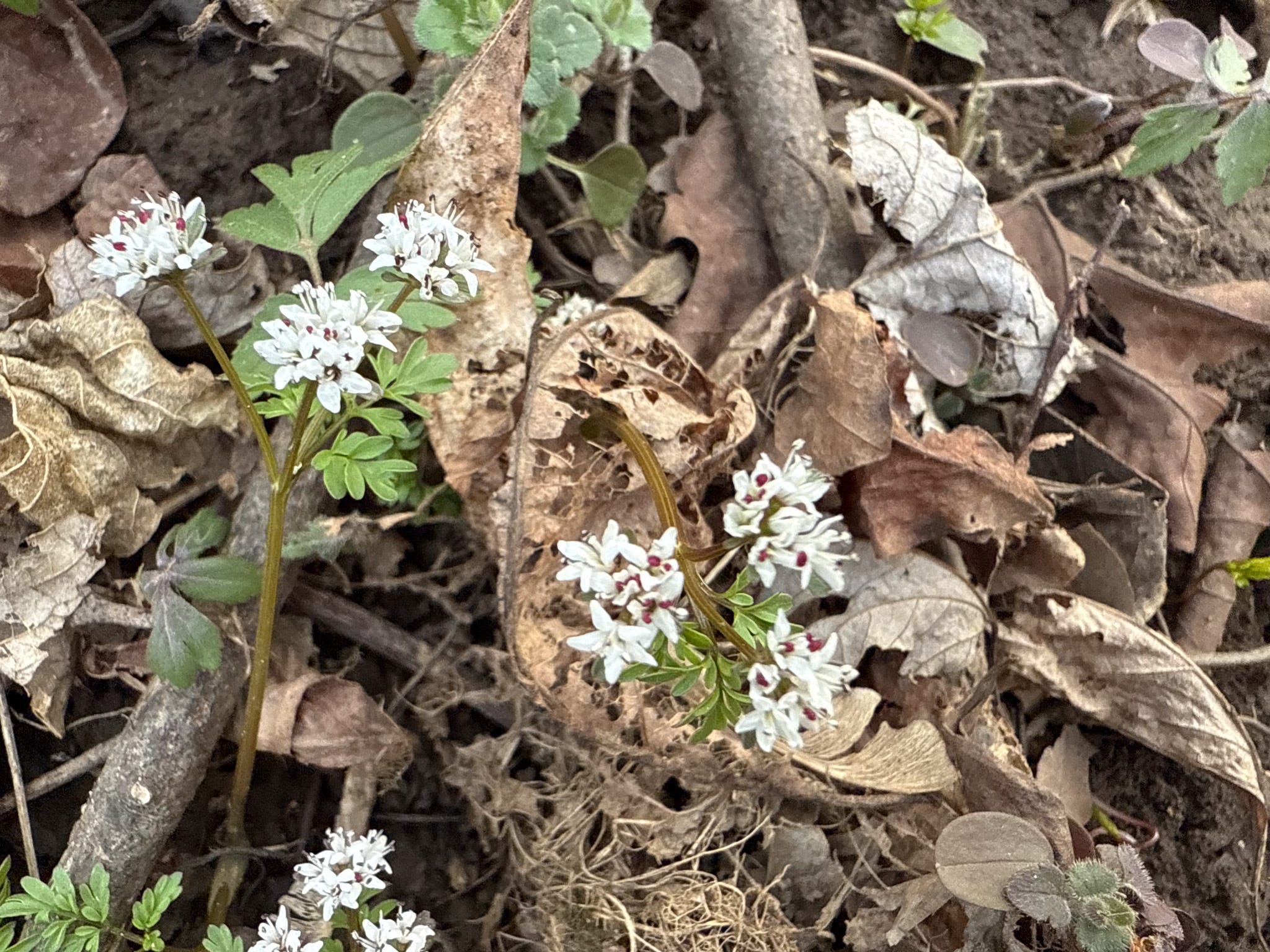
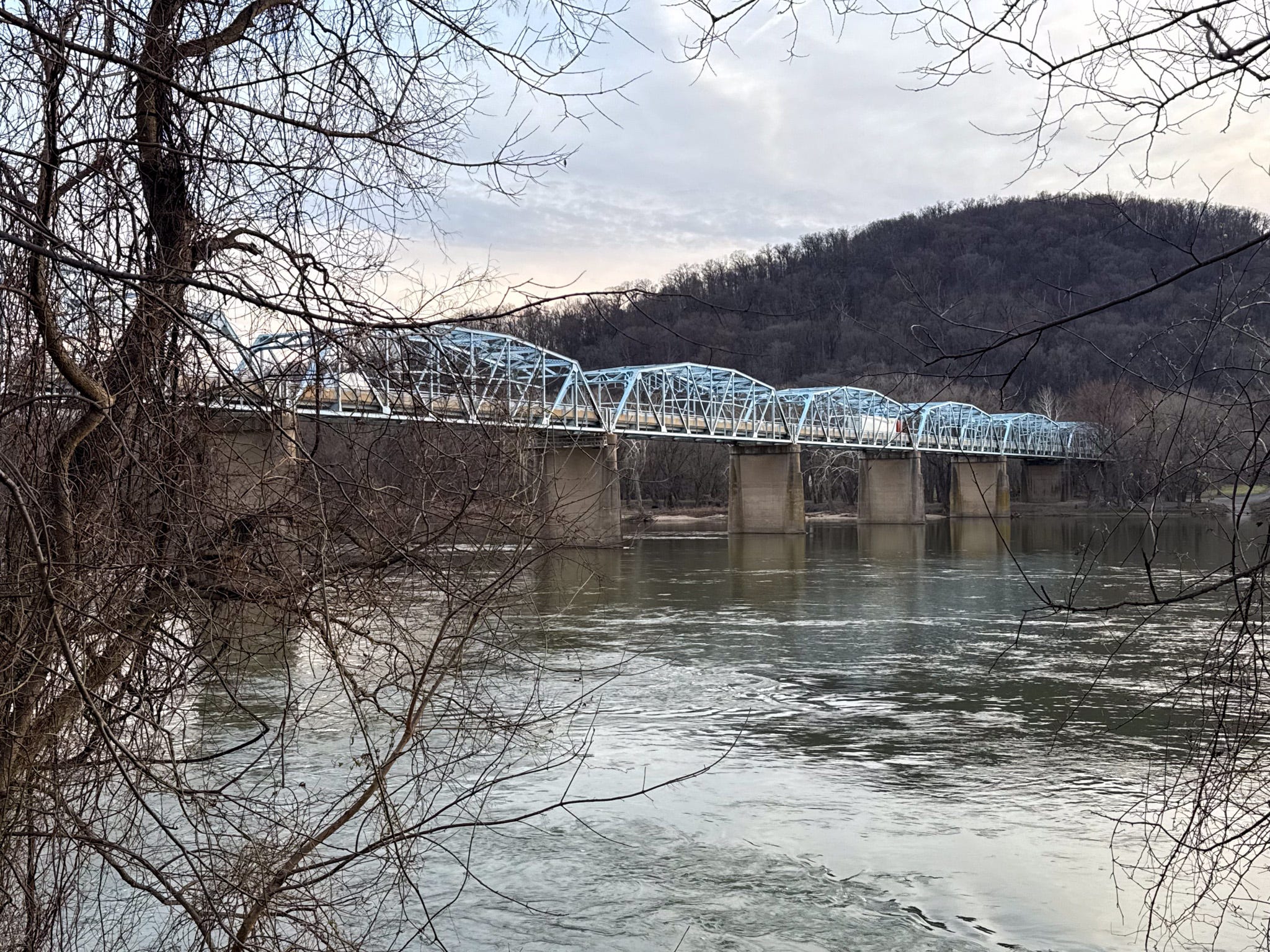
Our last stop on March 14 was along the C&O Canal at Point of Rocks in Frederick County. I wanted to make sure that we got Harbinger of Spring (Erigenia bulbosa). My location for this uncommon spring ephemeral is along the C&O Canal at Mountain Lock in Washington County, but when Colleen and I had tried to get there the week before, we found that the road to the canal had been gated off and the area was no longer accessible by vehicle. Harbinger of Spring is a diminutive plant in the carrot family (Apiaceae). It is one of the first native plants to bloom in Maryland. It is restricted to areas of limestone and in Maryland most populations are found along the Potomac and Susquehanna Rivers. There is a large population of Harbinger of Spring that is easily accessible up river from Point of Rocks. The small white blooms blanketed the floodplain between the canal and the Potomac.
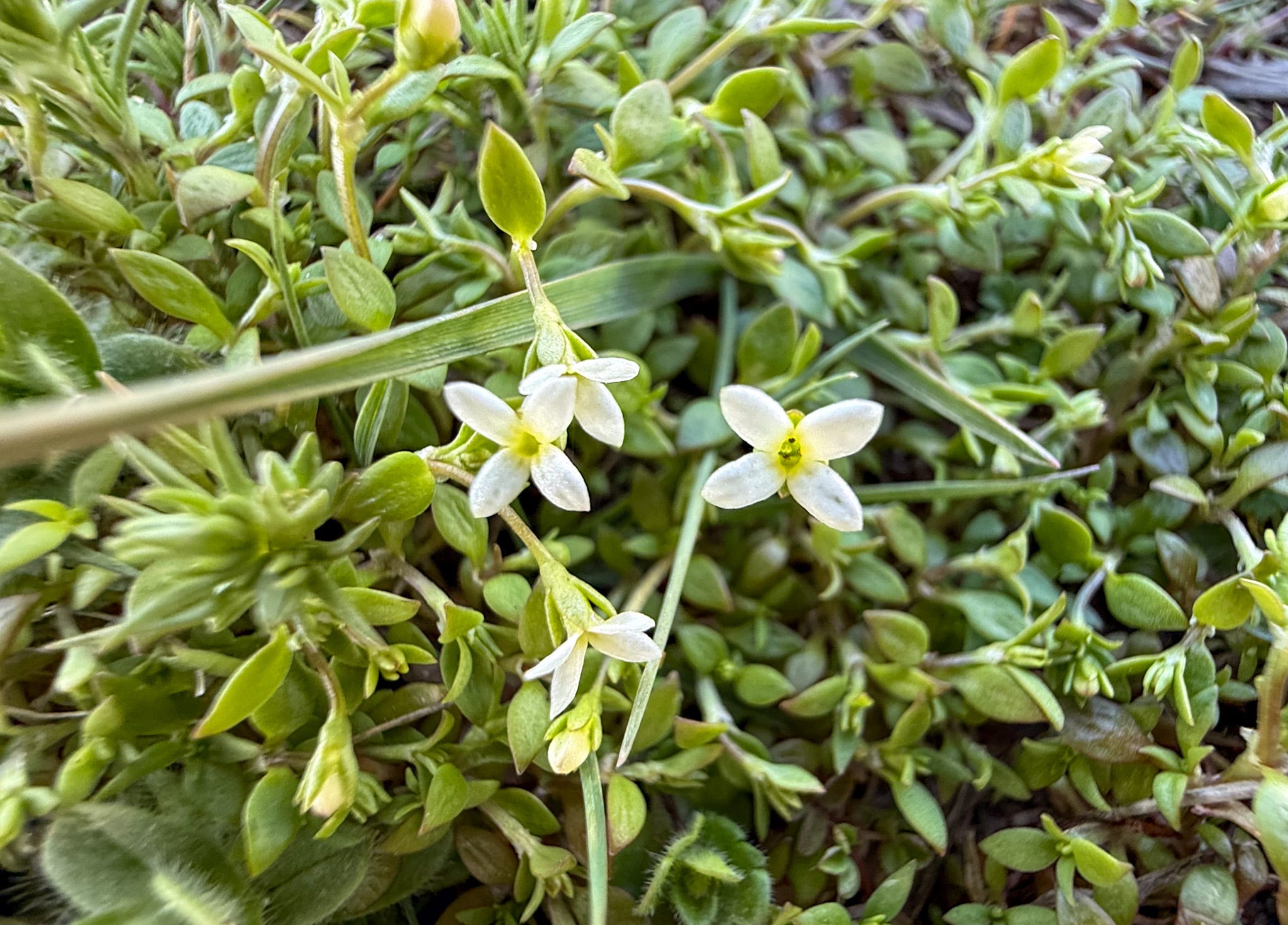
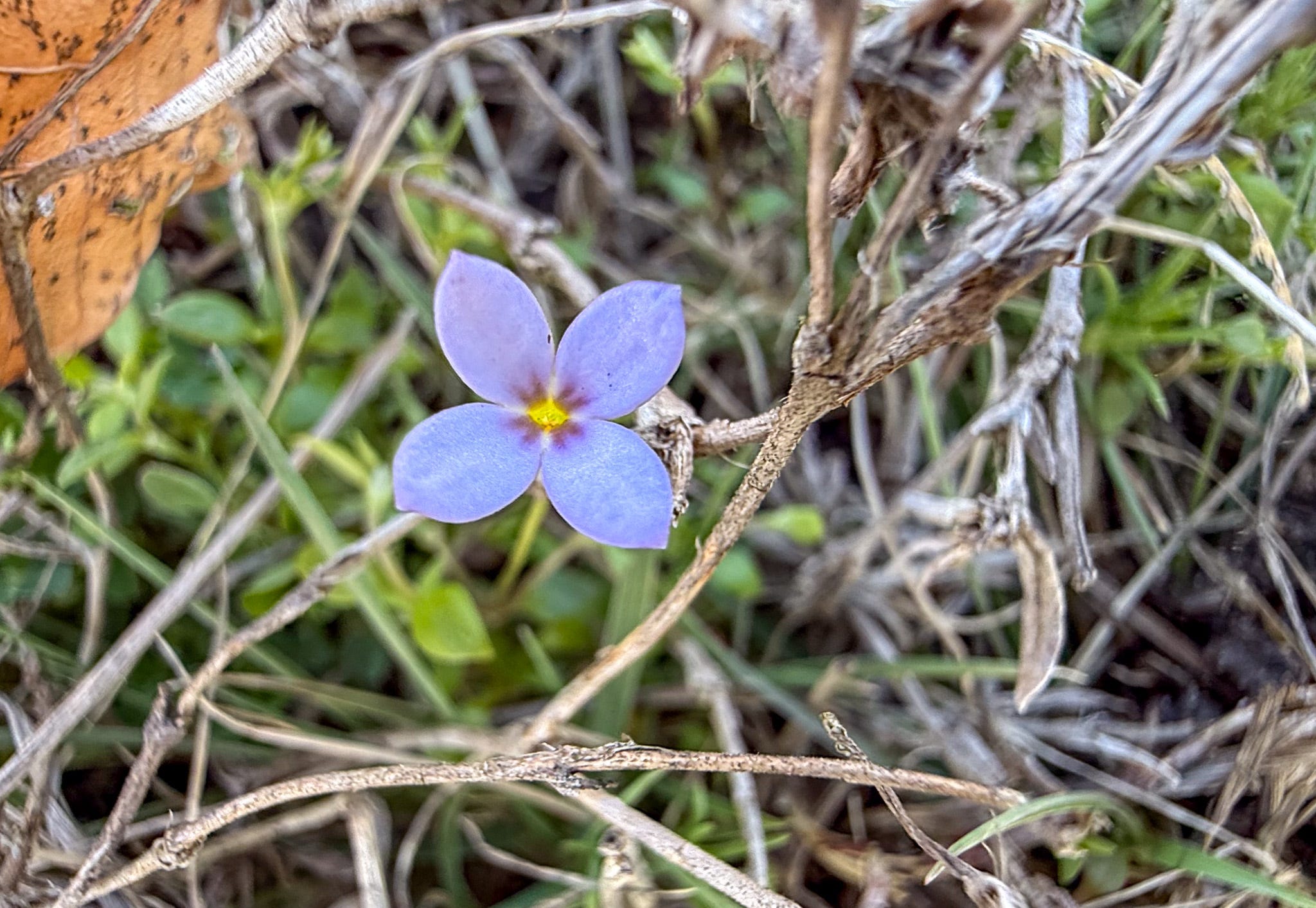
On March 19, I made a quick trip to Caroline County after work. Back in 2019 Wayne Longbottom and John Hall found a very healthy population of Southern Bluets (*Houstonia micrantha) at the Federalsburg marina. This was the first record for this species in Maryland! There are thousands, if not tens of thousands, of plants in the large field next to the marina. Interspersed among the Southern Bluets are loads of Small Bluets (Houstonia pusilla). During peak bloom the field looks like a white carpet. I wasn’t there at peak bloom. In fact, it took me a long while before I found blooming plants of both species. Southern Bluets are native to the gulf states, especially around eastern Texas, Louisiana, and Arkansas. It appears that this species has been expanding. We consider these plants non-native/adventive.
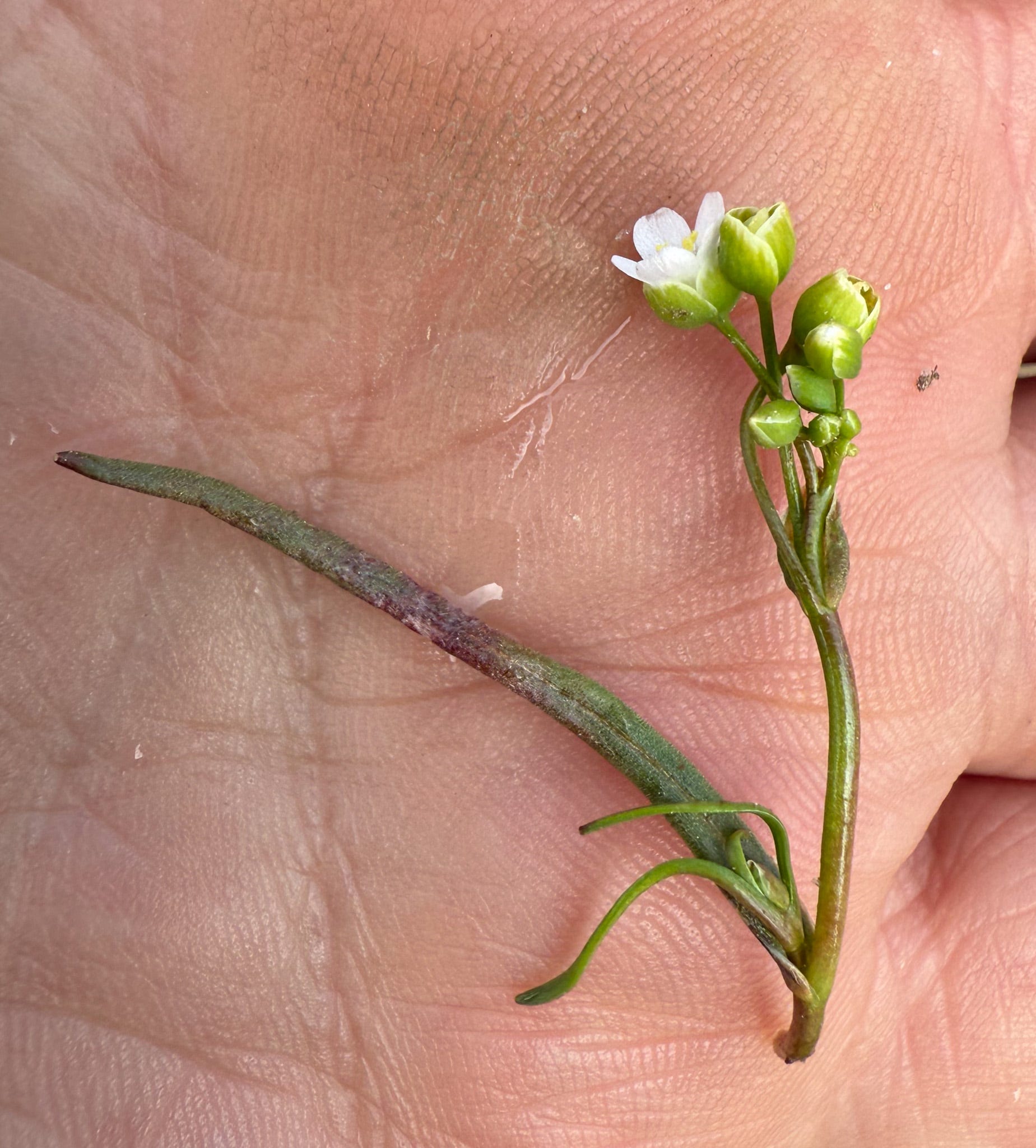
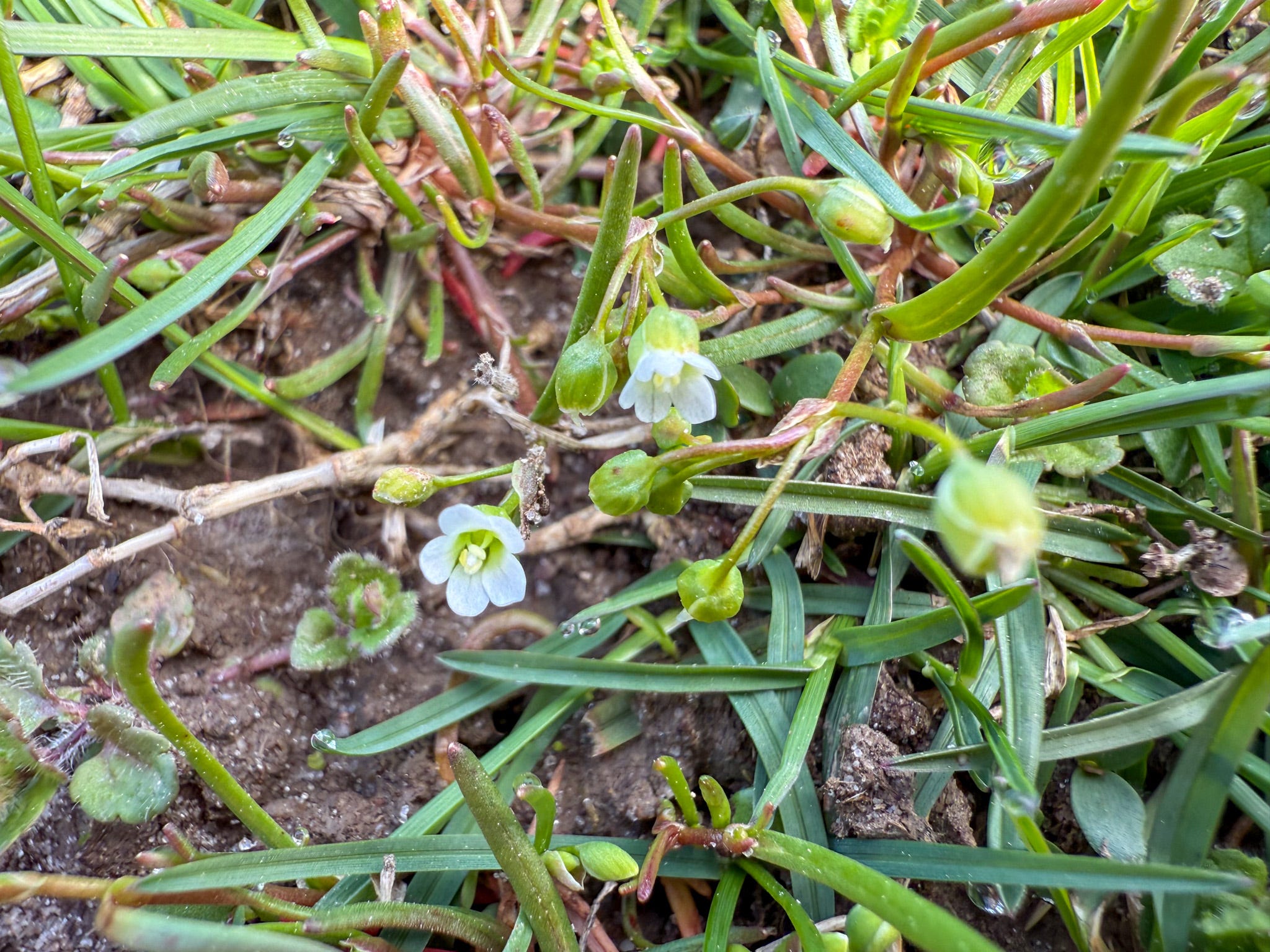
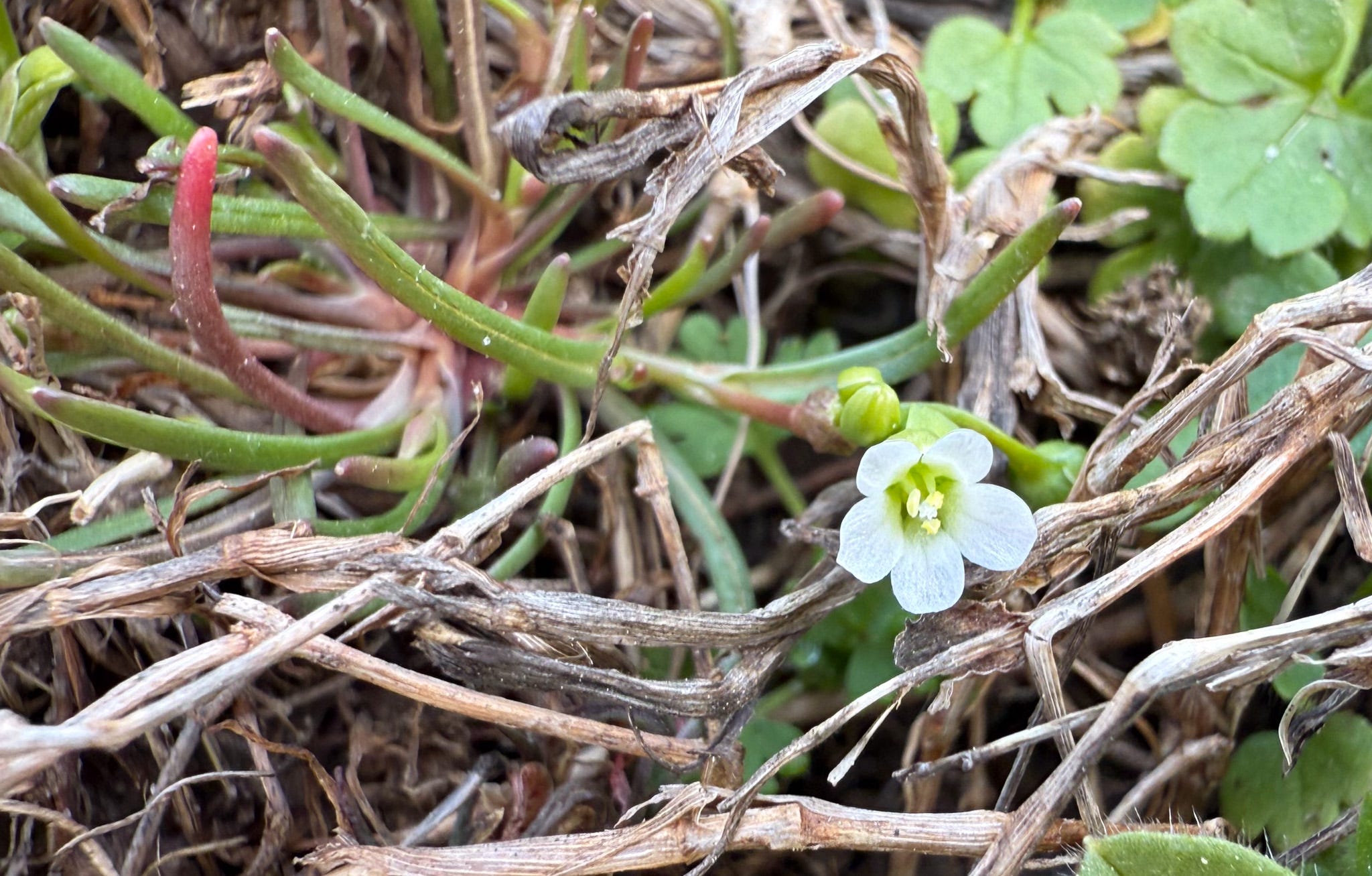
I made a quick trip to the coast to tick Narrowleaf Miner’s-lettuce (*Montia linearis) on 3/22. Montia linearis is an uncommon non-native spring ephemeral. Many years ago Wayne Longbottom showed me a population at Herring Creek Nature Park in West Ocean City. It is the only sustaining population that I know of in Maryland. It’s a diminutive plant that at first glance looks like Common Chickweed (*Stellaria media). Both species grow in the same habitats. Narrowleaf Miner’s-lettuce is native to the northwestern United States. It has become sparsely established in the east. Most of the Maryland records are from the Eastern Shore. It seems to favor lawn-type habitats in full sun.
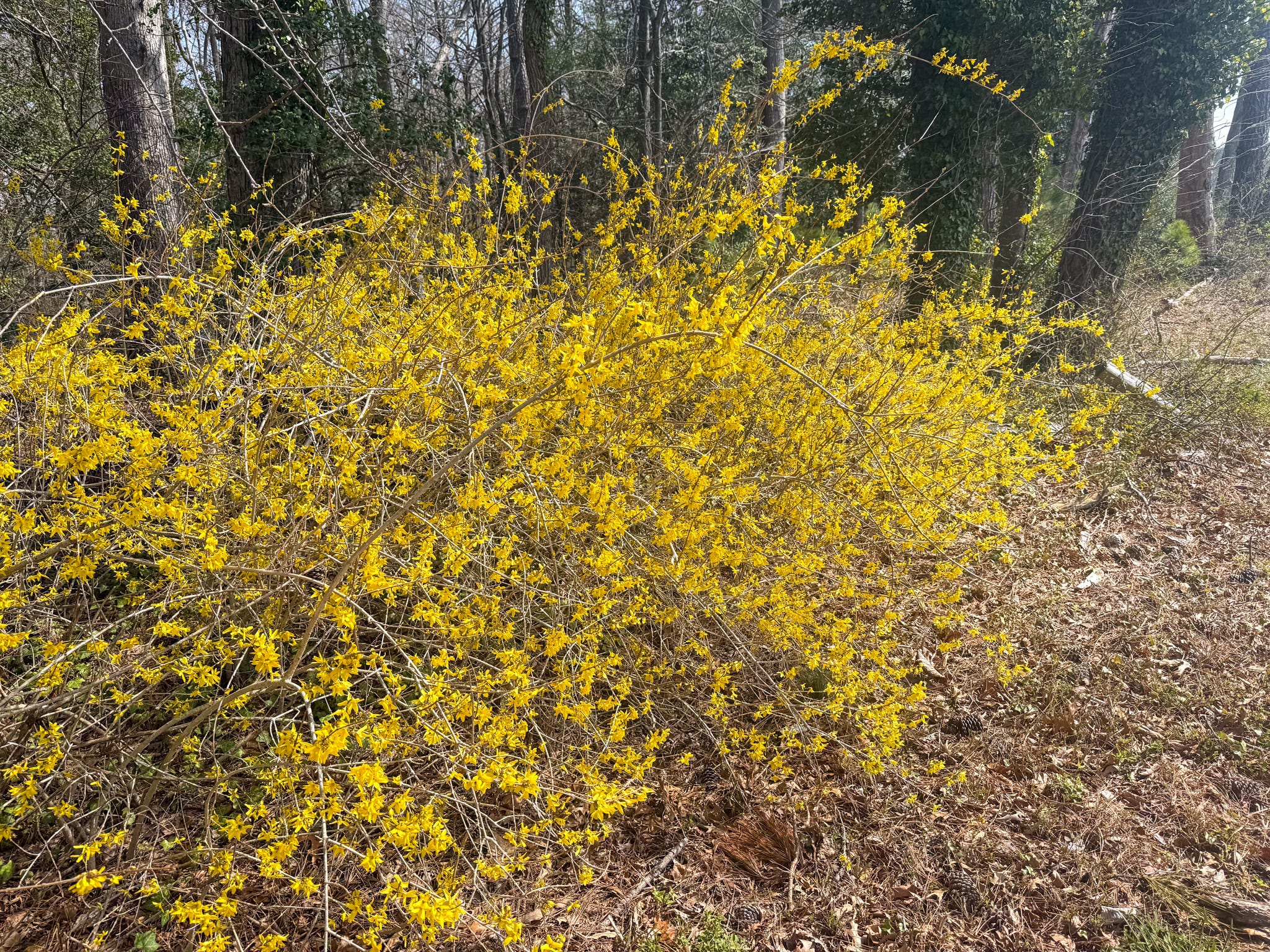
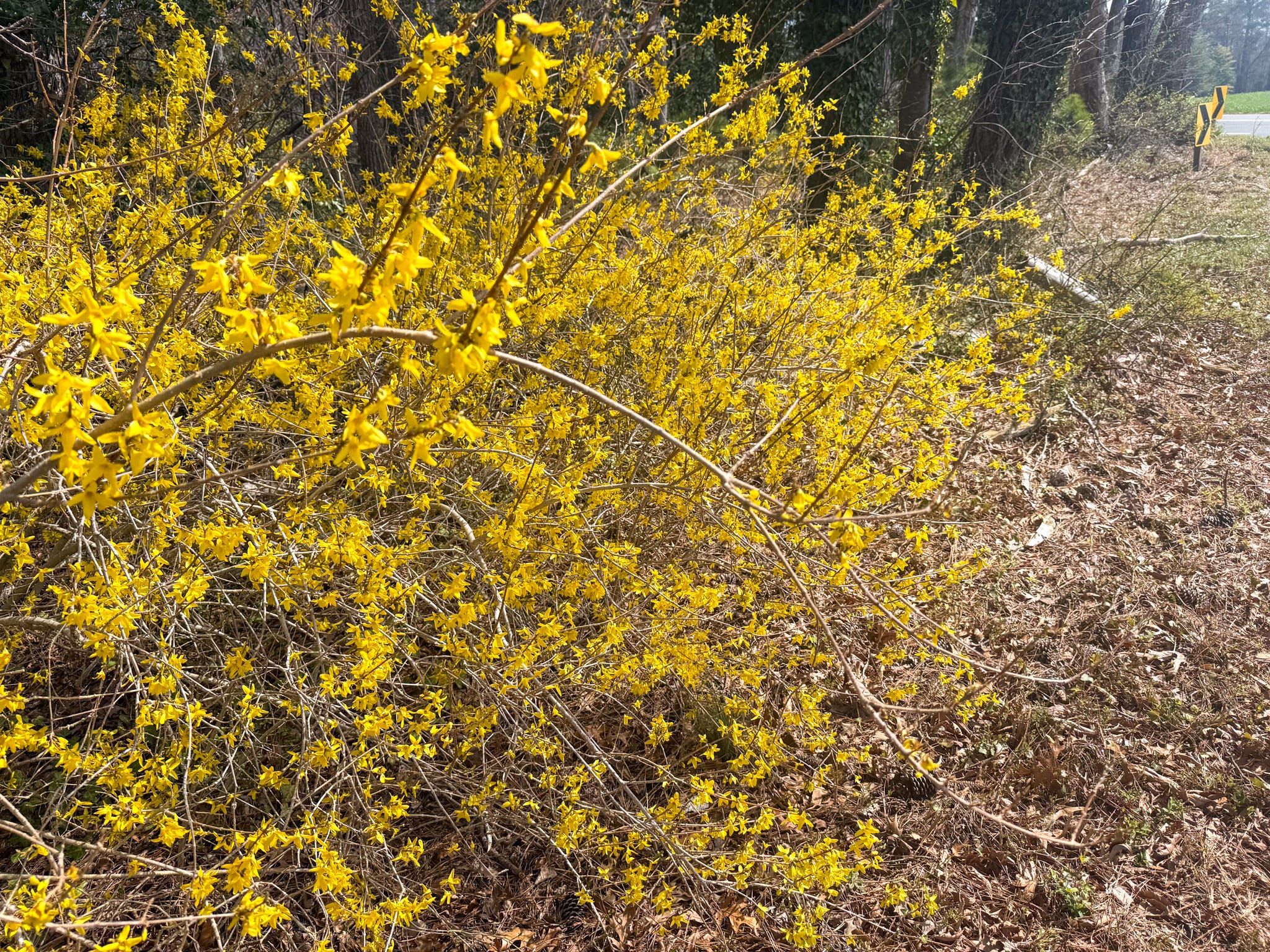
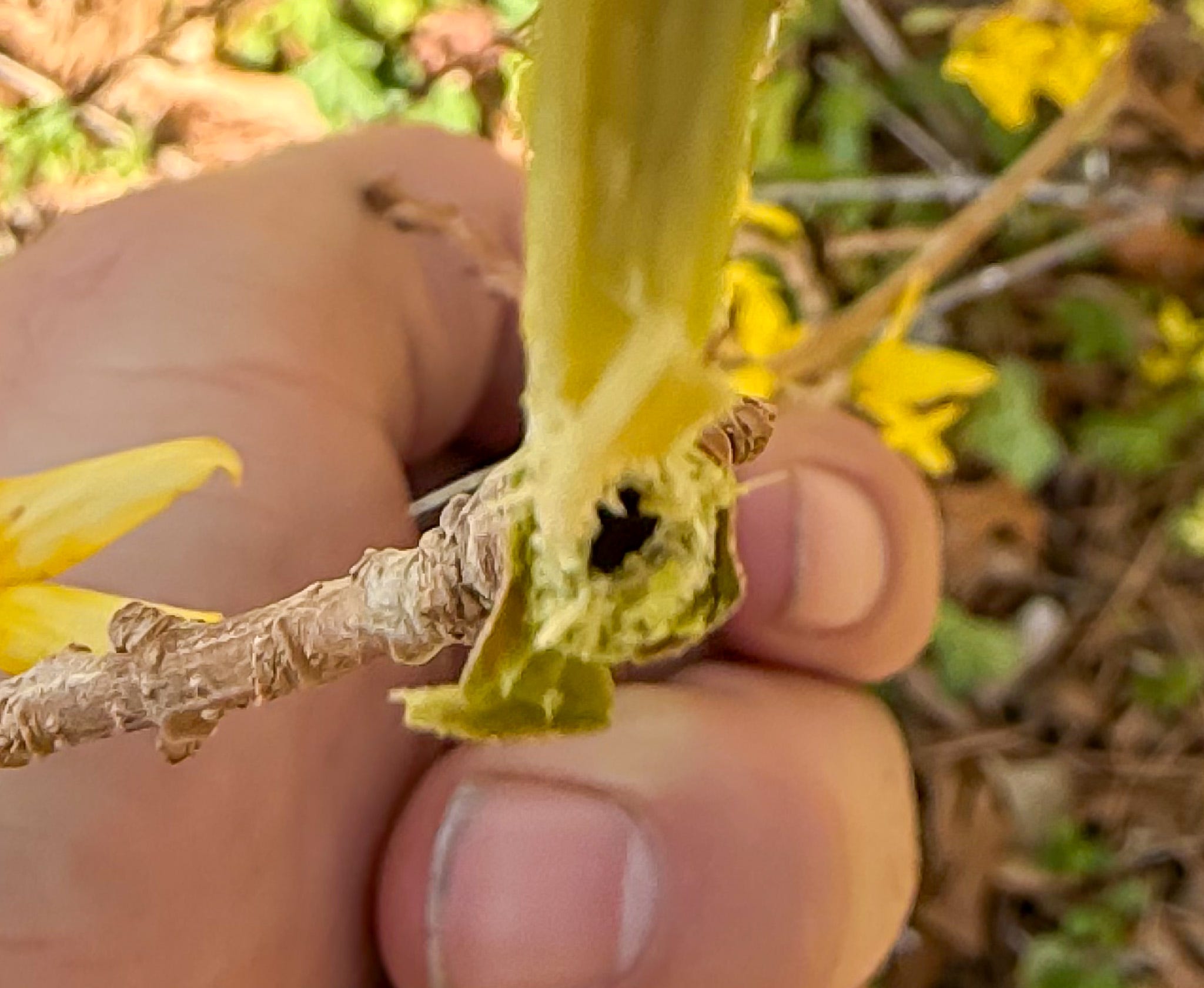
One of the cool things about my plant big year is that I have to pay attention to plants I would typically ignore. Take Fosythia as an example. I had no idea that there were two species of Forsythia in Maryland. I knew that they bloomed in the spring, and that I would need to find a wild/spreading population. On the way back from Ocean City I made a brief stop along Creek Road in Worcester County where I found what appeared to be a wild/spreading Forsythia. The easiest way to tell the two Forsythia species apart is to break off a twig and see if the twig is hollow or segmented. If hollow you have Weeping Forsythia (*Forsythia suspensa). If it is segmented you have Greenstem Forsythia (*Forsythia viridissima). All of the Forsythia I have checked this year have been Weeping Forsythia. I have yet to find Greenstem Forsythia.
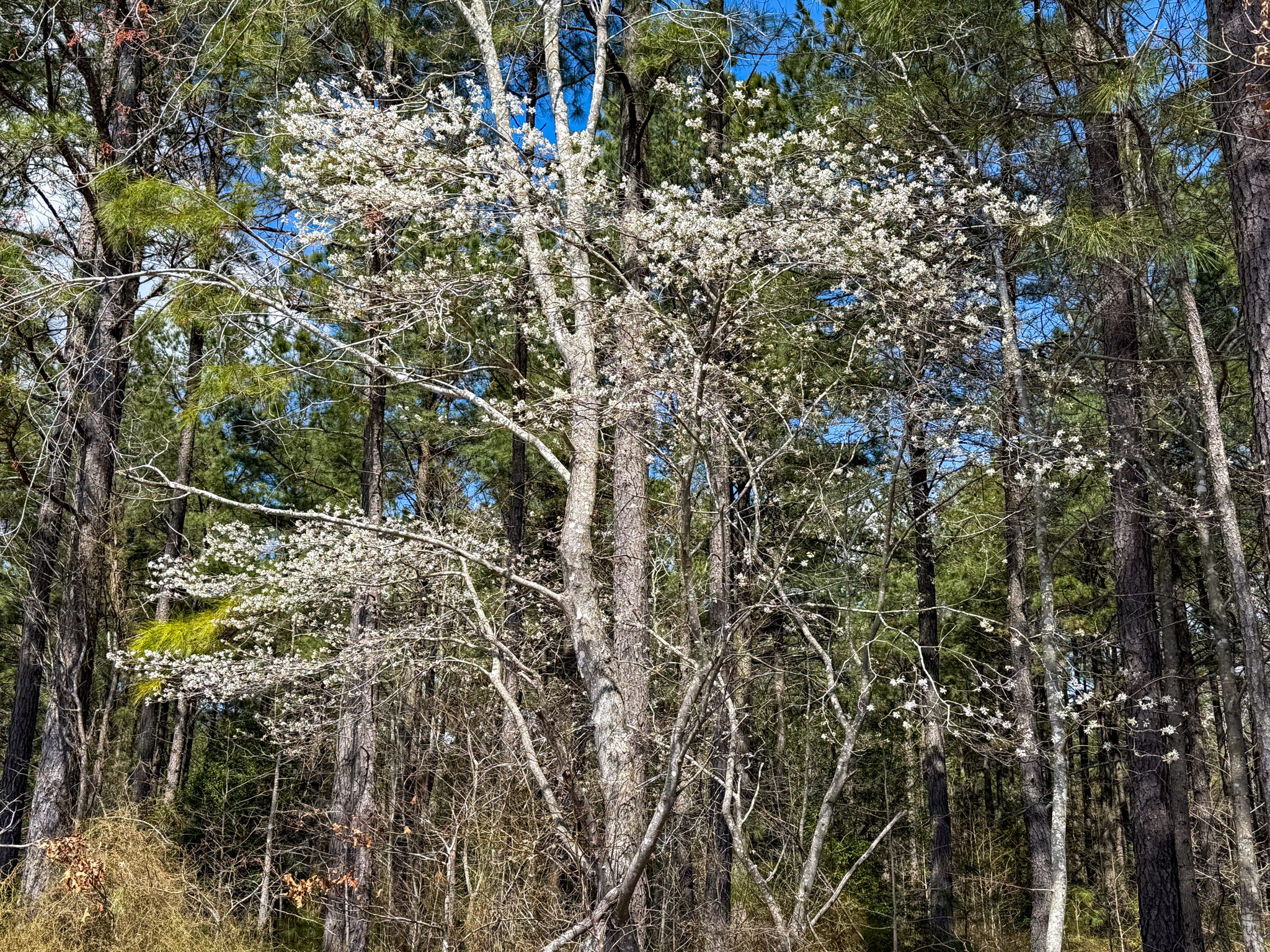
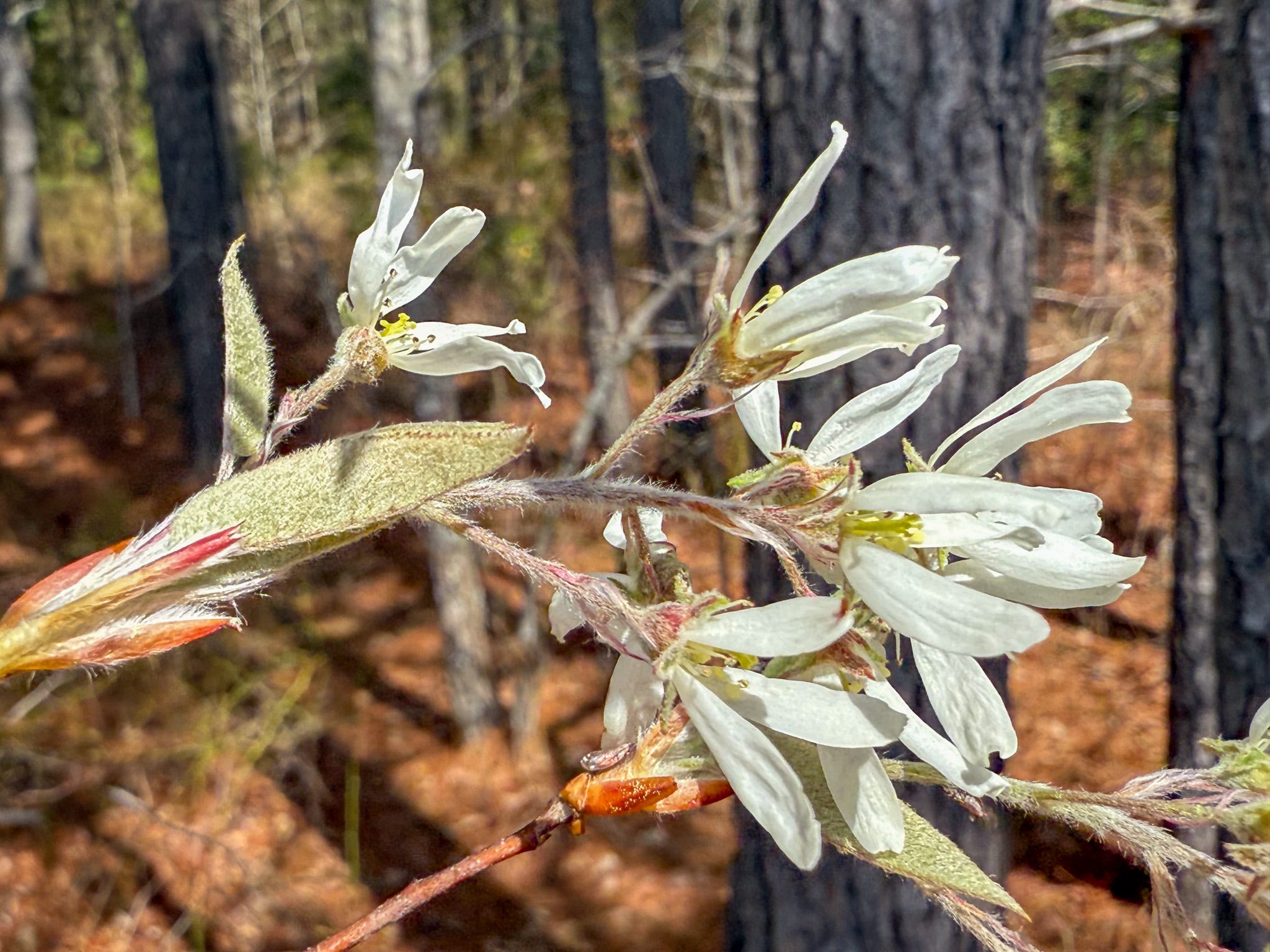
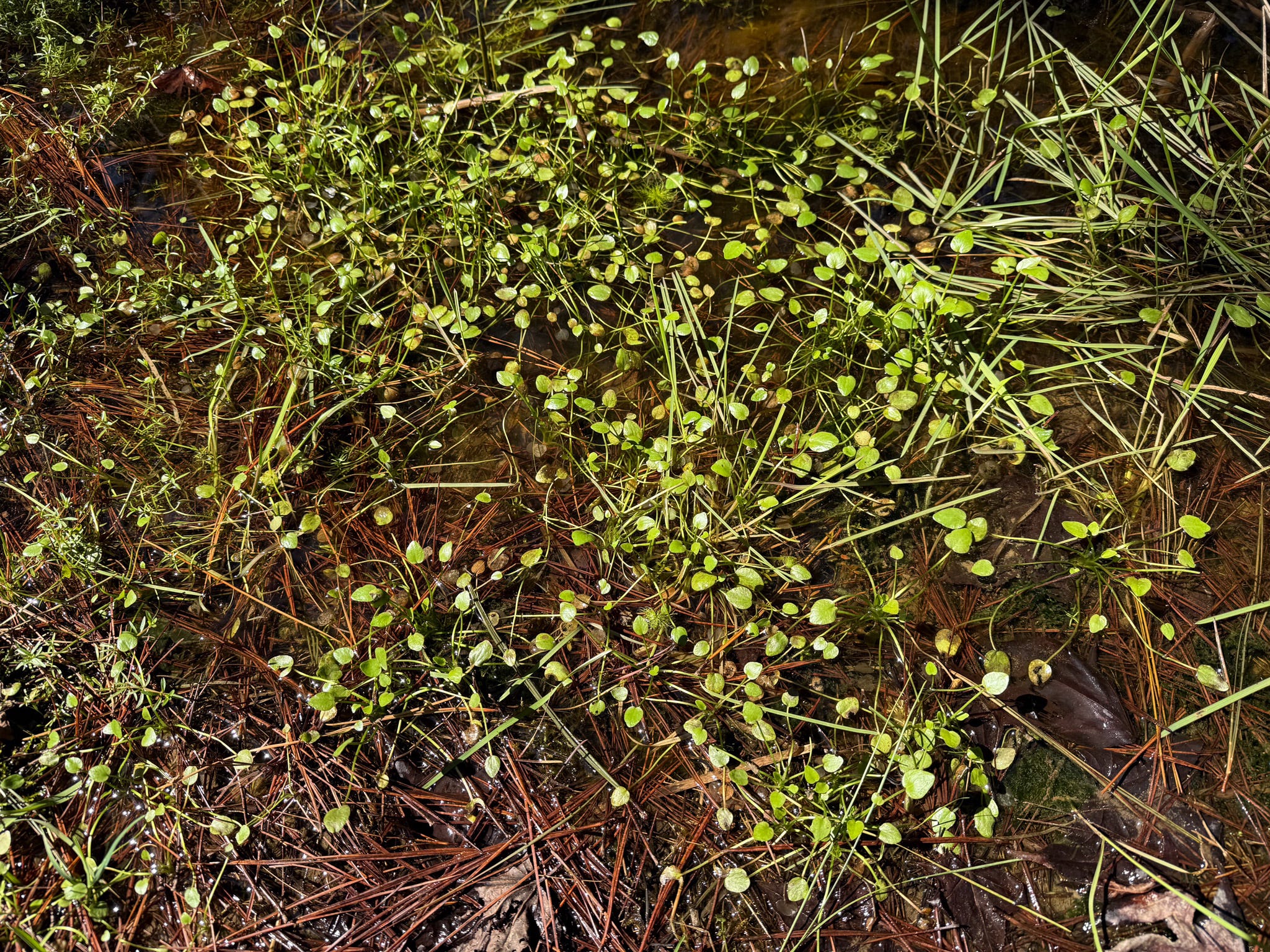
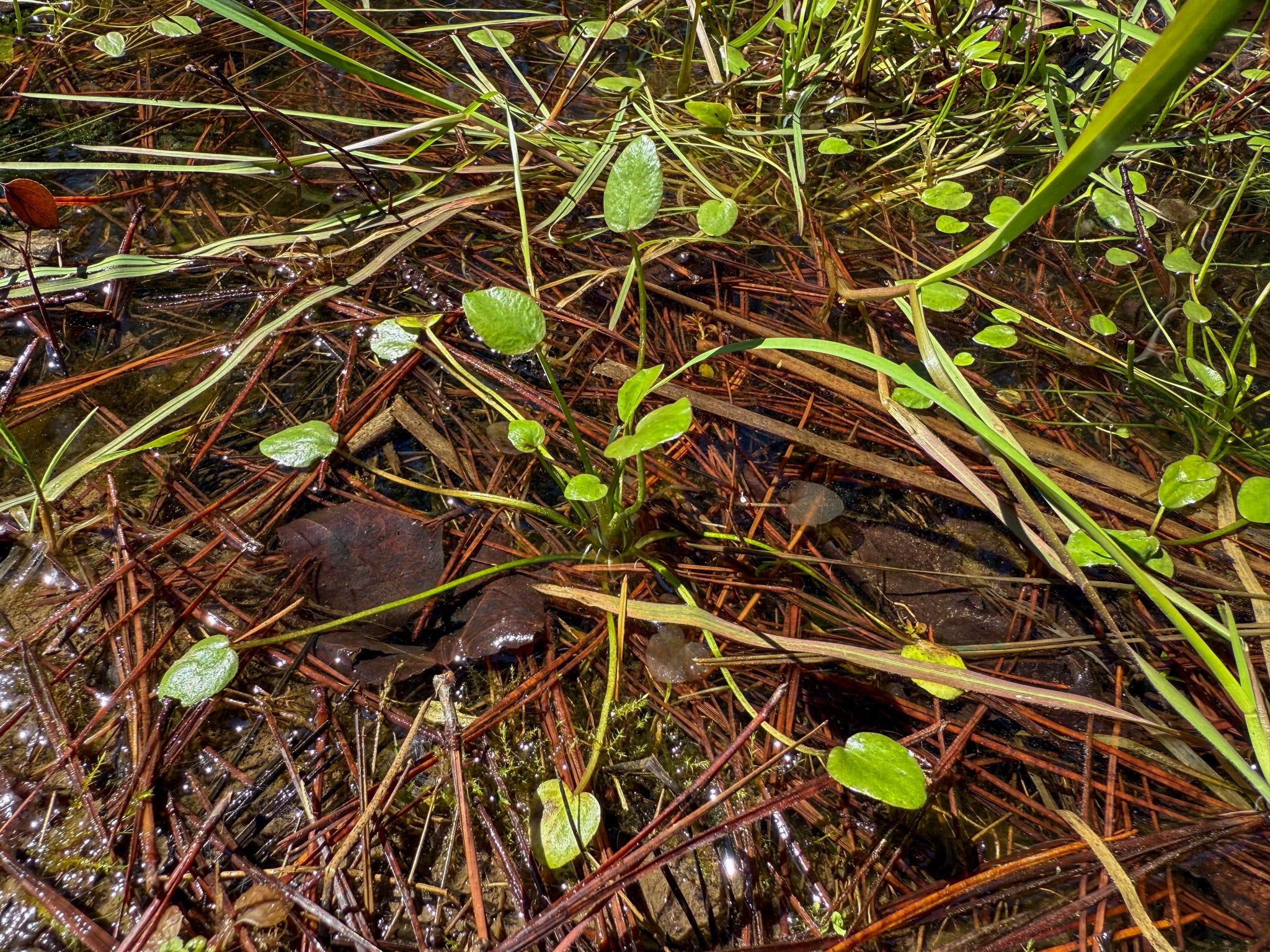
On March 28 I had a few hours of field time before we celebrated my parents 60th Anniversary. I stuck to lower Dorchester County. My target was Common Serviceberry (Amelanchier arborea). Rosaceous fruit trees give me migraines. The next two days my head would be pounded with the keys of Pyrus, Prunus, and Amelanchier. I knew that most of the serviceberries that bloomed in the pine woods along Smithville Road in southern Dorchester County were Amelanchier arborea, because I had worked on them last year. This species of serviceberry is quite common on the Eastern Shore. I also found Low Spearwort (Ranunculus pusillus), an uncommon native buttercup of wet areas, along the entrance road to the Harriet Tubman Trail.
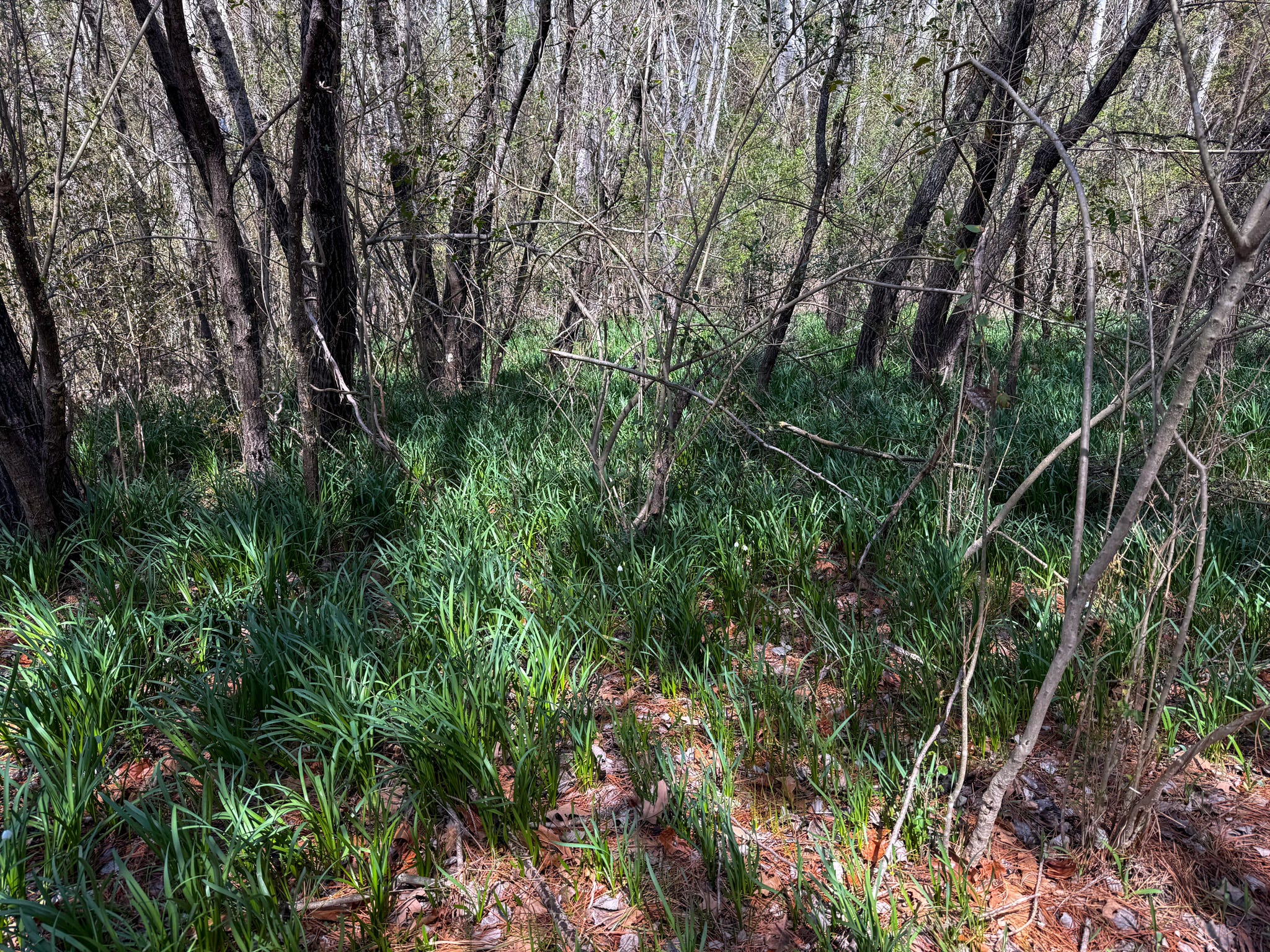
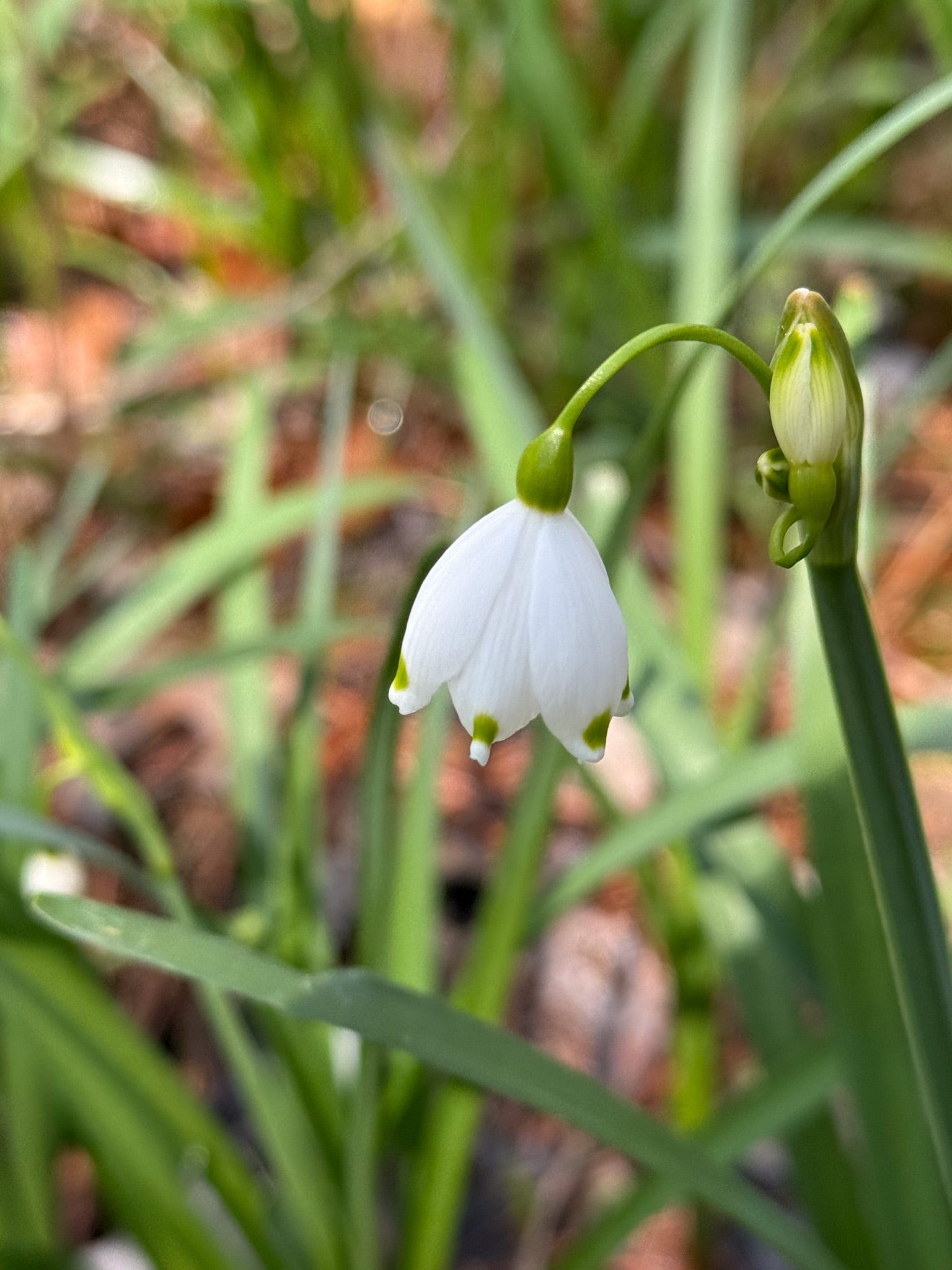
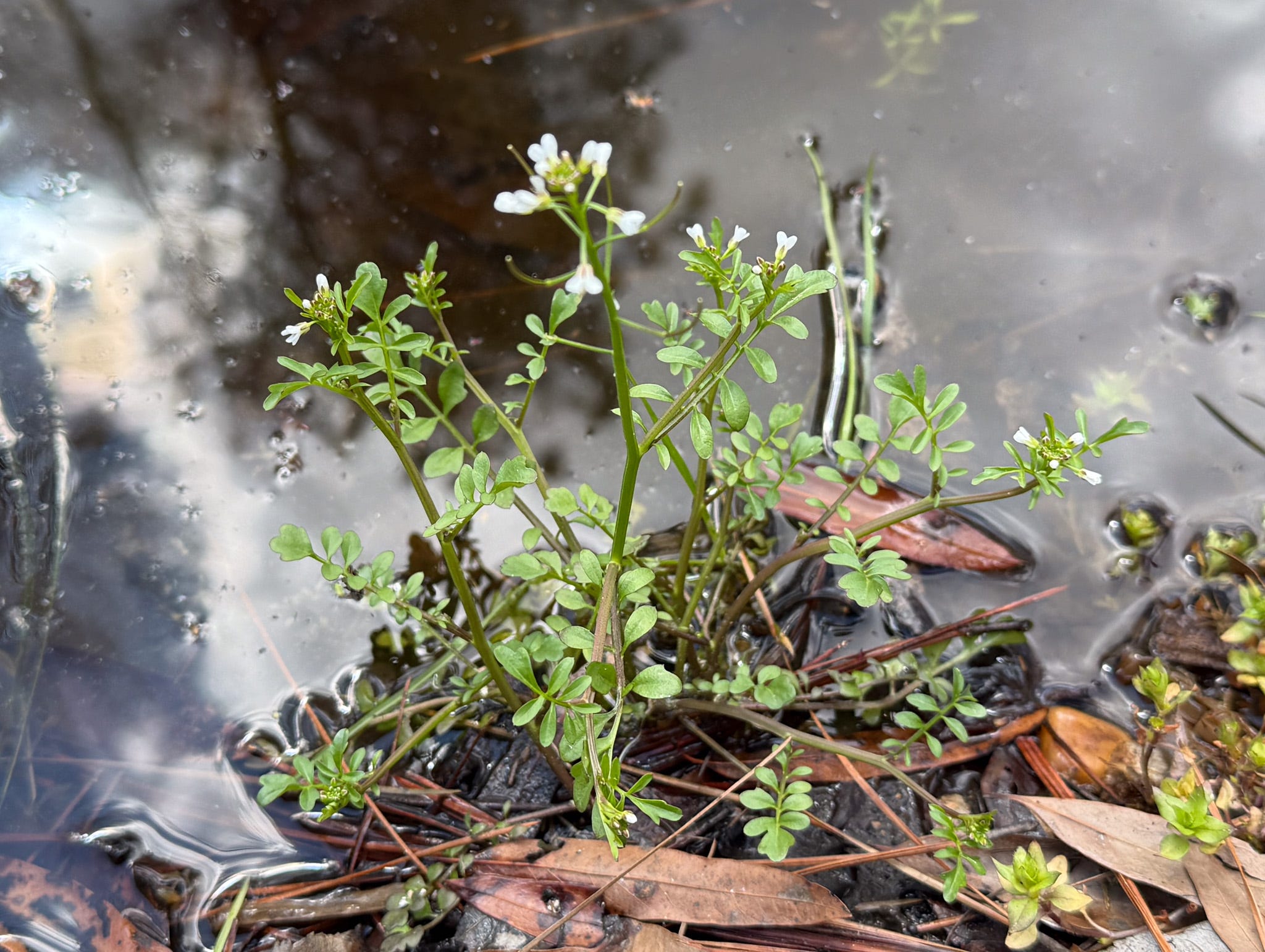
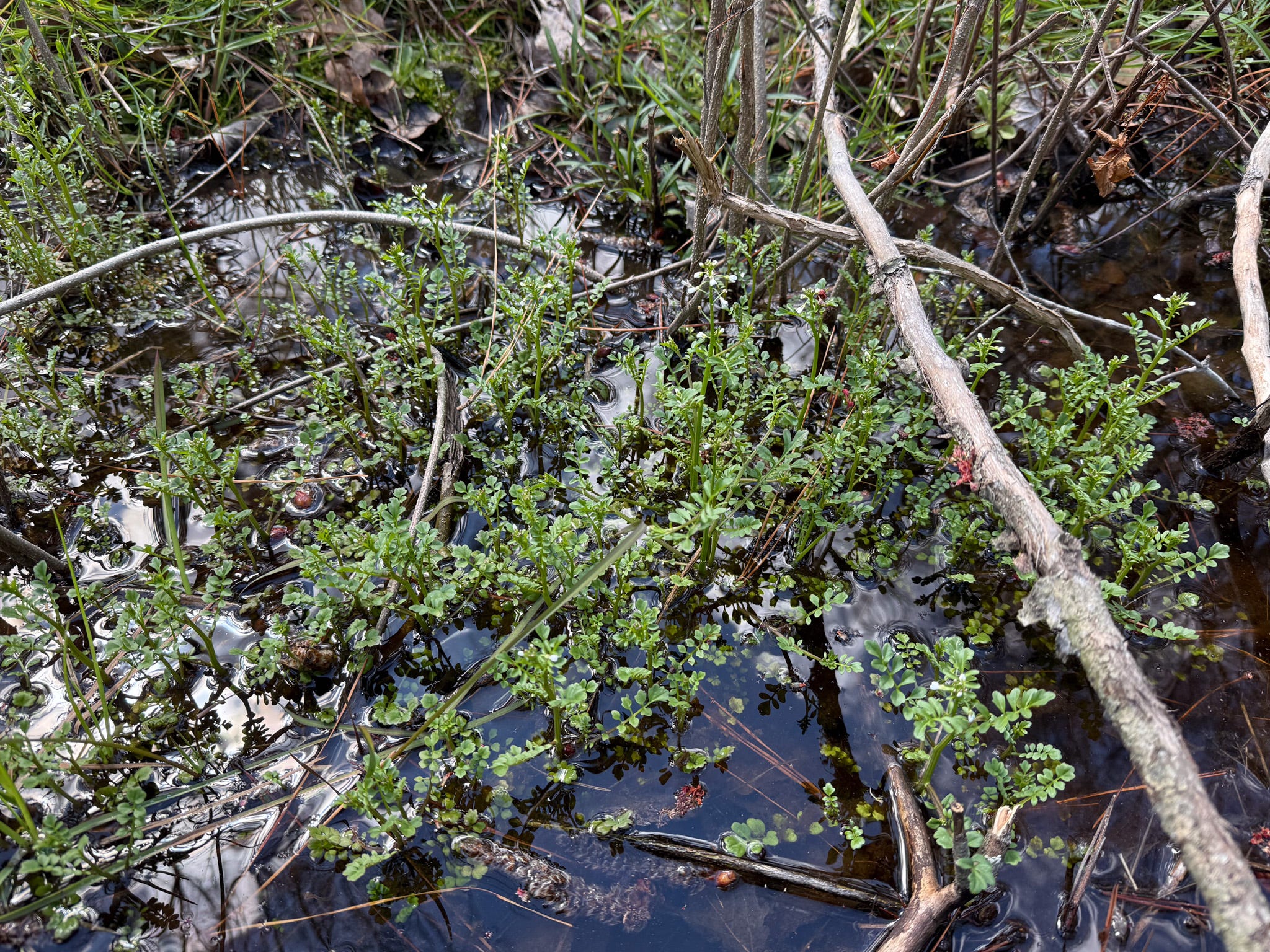
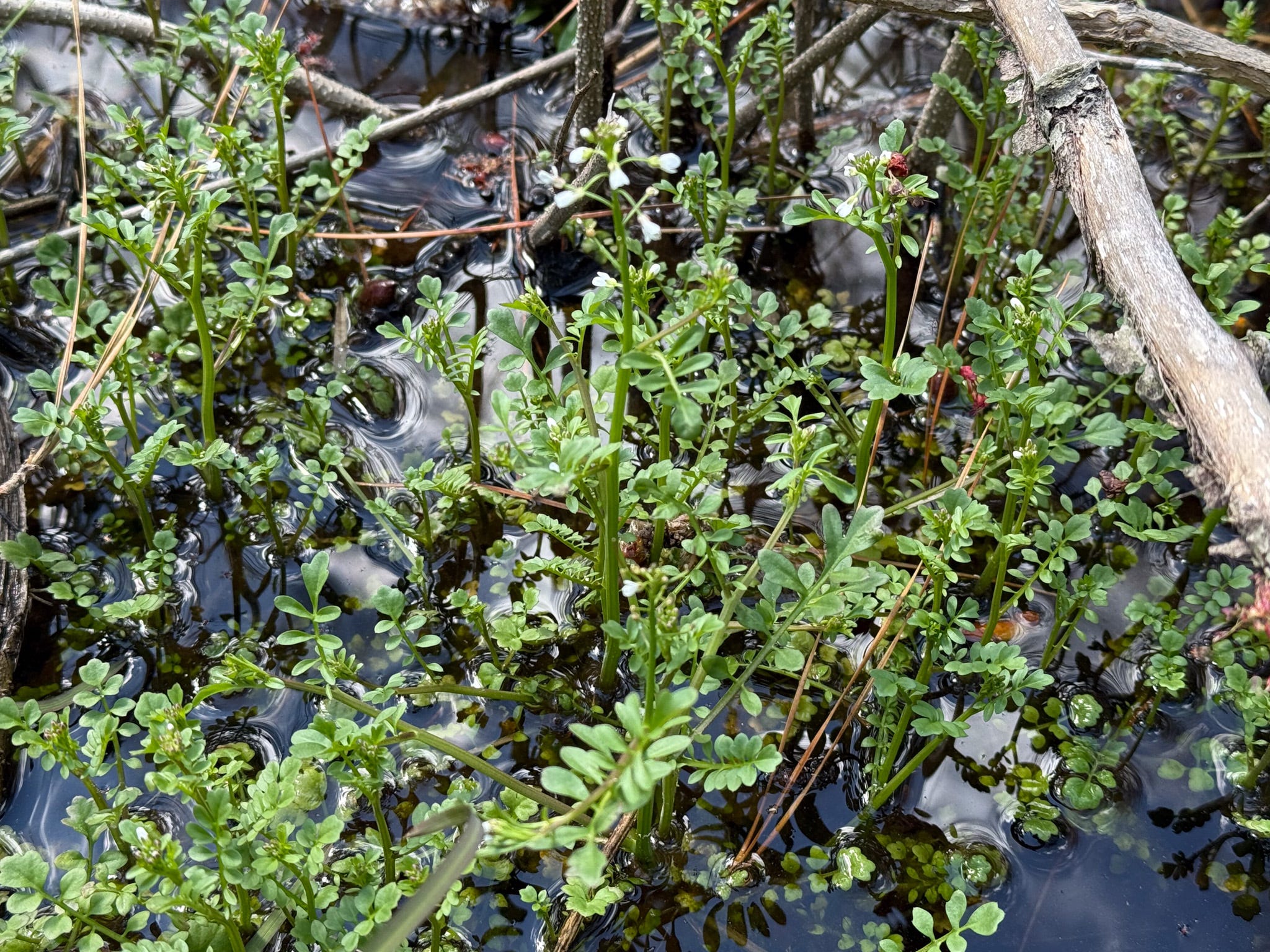
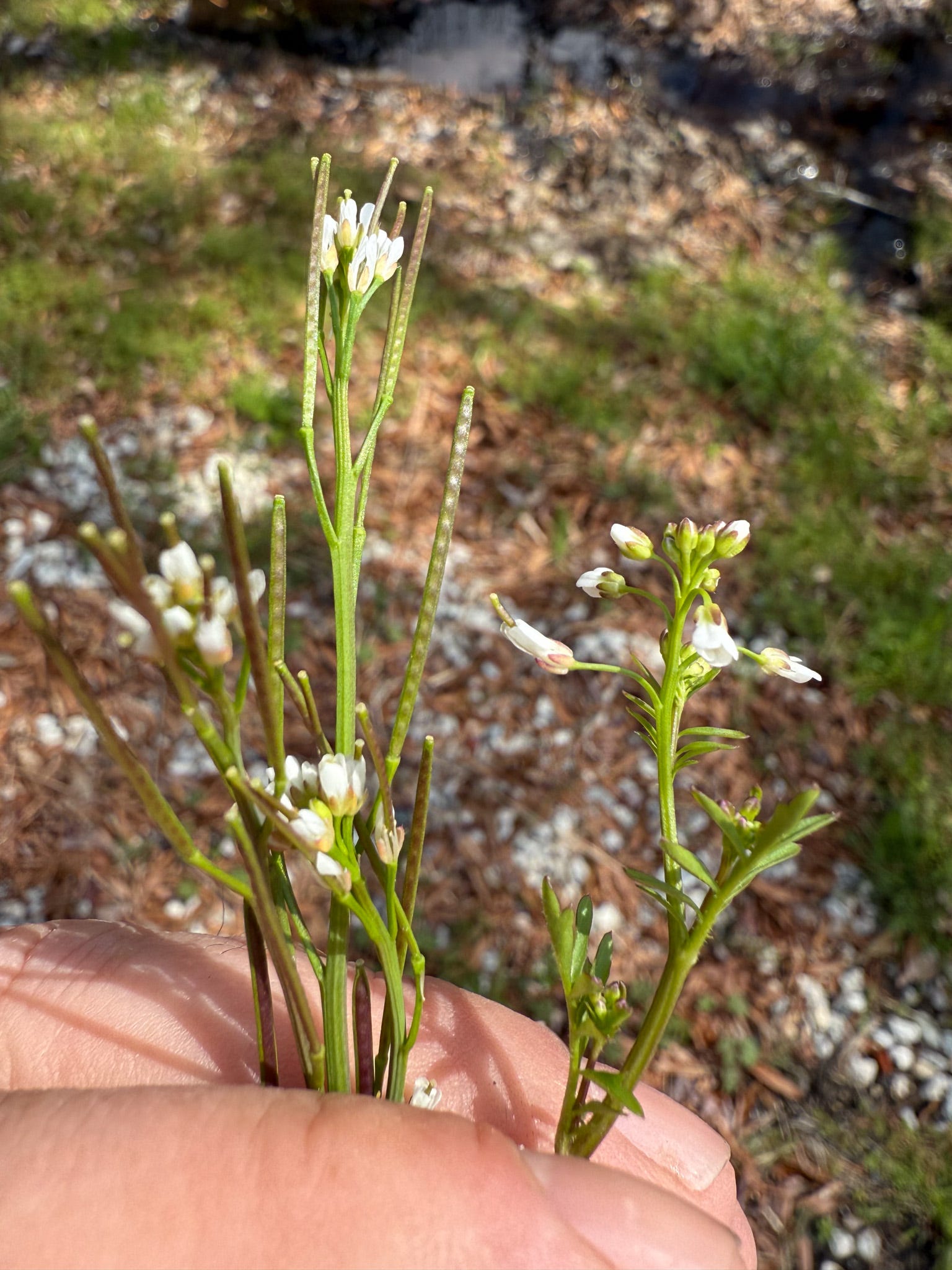
On the way back to my house I made a quick stop along Old Field Road and ticked a population of the non-native Summer Snowflake (*Leucojum aestivum). This plant scares me. It seems to have exploded over the past few years. It favors low moist areas like ditches and bottomlands. It forms really dense colonies. I also documented Bradford Pear (*Pyrus calleryana) and Nursery Bittercress (*Cardamine occulta). Nursery Bittercress is very similar to the abundant Hairy Bittercress (*Cardamine hirsuta) but differs in leaf arrangement and flower shape. It’s another baddie that seems to be spreading quickly.
This past Sunday (March 29) I met up with Tom Feild and we made another Potomac River run, but first we made a brief stop at the North Tract of Patuxent Research Refuge in Anne Arundel County to see if we could find the native Chickasaw Plum (Prunus angustifolia). We couldn’t. We did look at a lot of small Bradford Pears. Fruit trees… First we needed to figure out how to tell pears from plums. The genus Pyrus (pears) has more than one style. Prunus (section: plums) only have one style. Seems easy enough. It wasn’t. I now know that Bradford Pears have two styles and relatively large flowers compared to Chickasaw Plums which have one style and fairly small flowers. Colleen and I went to see Chickasaw Plums this past Wednesday. It’s not that hard to separate the two species now I know what I’m looking for, but at the time it was quite frustrating. We left the North Tract 0 for 1 for the day. On to Baltimore City to look for Arugula.
Rocket Salad (*Eruca vesicaria), better known as Arugula, is a mustard that occasionally escapes cultivation. I had coords for a location in the Locust Point neighborhood of Baltimore City. After finding a place to park and spending way too long searching along the alleyway edges of a large office building and a set of dirty railroad tracks, we came to the conclusion that there was no Arugula at this location. We left Locust Point 0 for 2 for the day. [When I got home, I realized I had the wrong coordinates] On to Druid Hill Park to look for Caper Spurge (*Euphorbia lathyris).
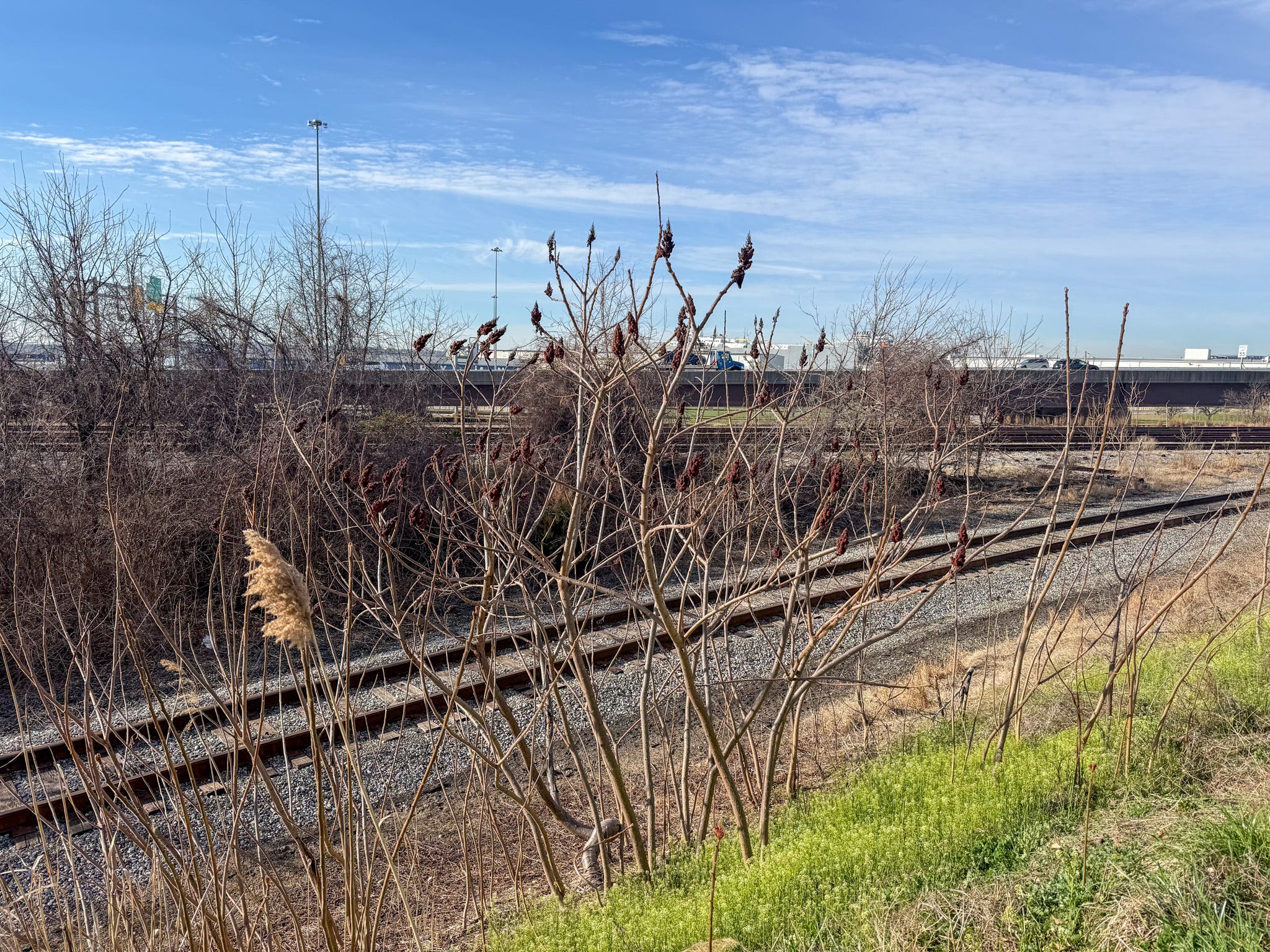
Druid Hill Park is massive. We drove the small winding roads through the park following Google Maps directions to the coords of the plants. Everything was going fine until we hit a chain link fence. No worries. We drove back through the park and tried to hit the spot from the other side. We hit another fence. I didn’t know the Baltimore Zoo was at Druid Hill Park. We soon realized that the Caper Spurge was located in the zoo grounds. Cool, we’ll go to the zoo. Neither one of us had ever been to the Baltimore Zoo. Should be fun! We parked in the zoo parking lot. Tom looked at the coords to see how far it was to the Caper Spurge population. 1.5 miles one way. We left Baltimore City 0 for 3.
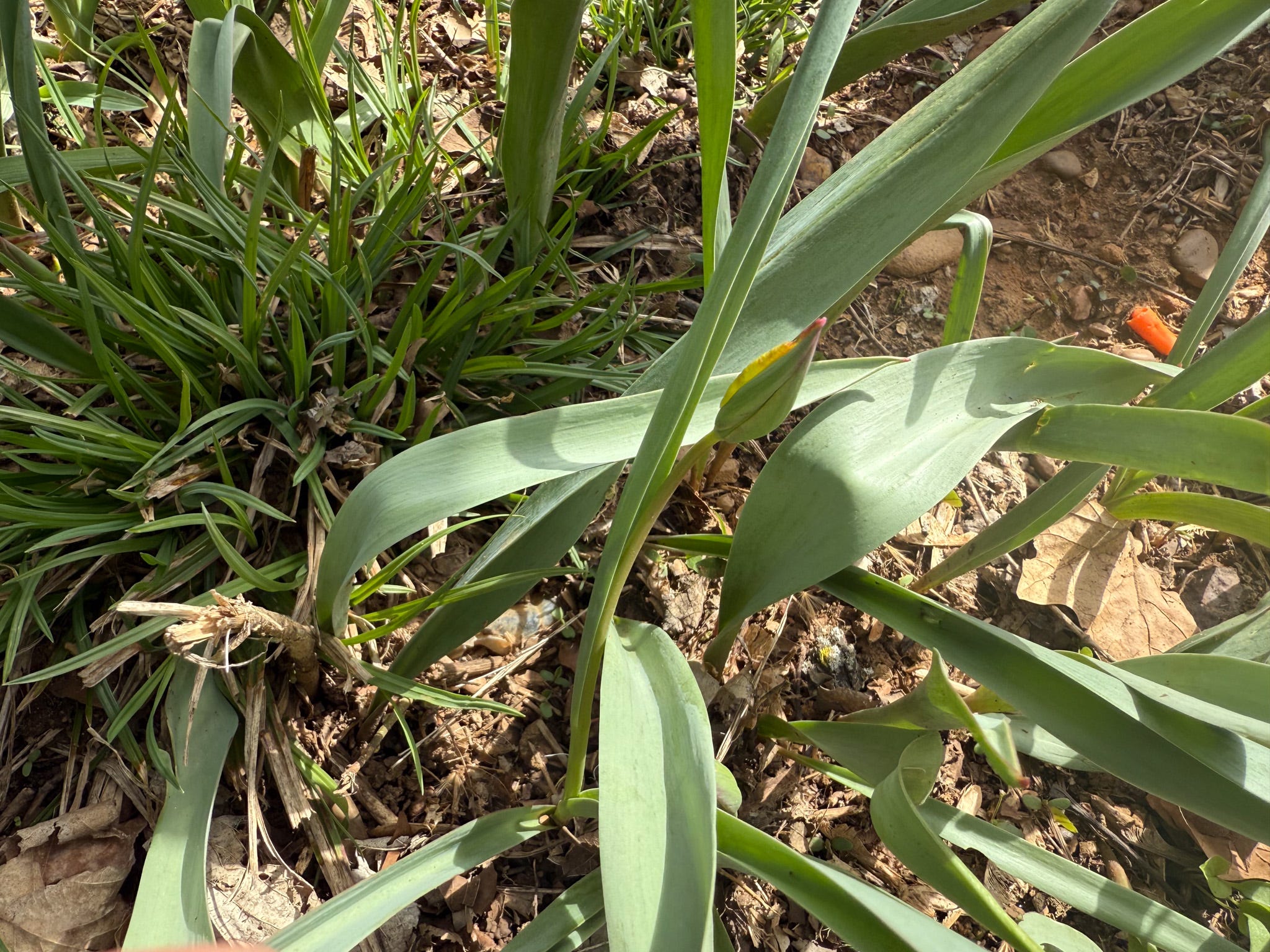
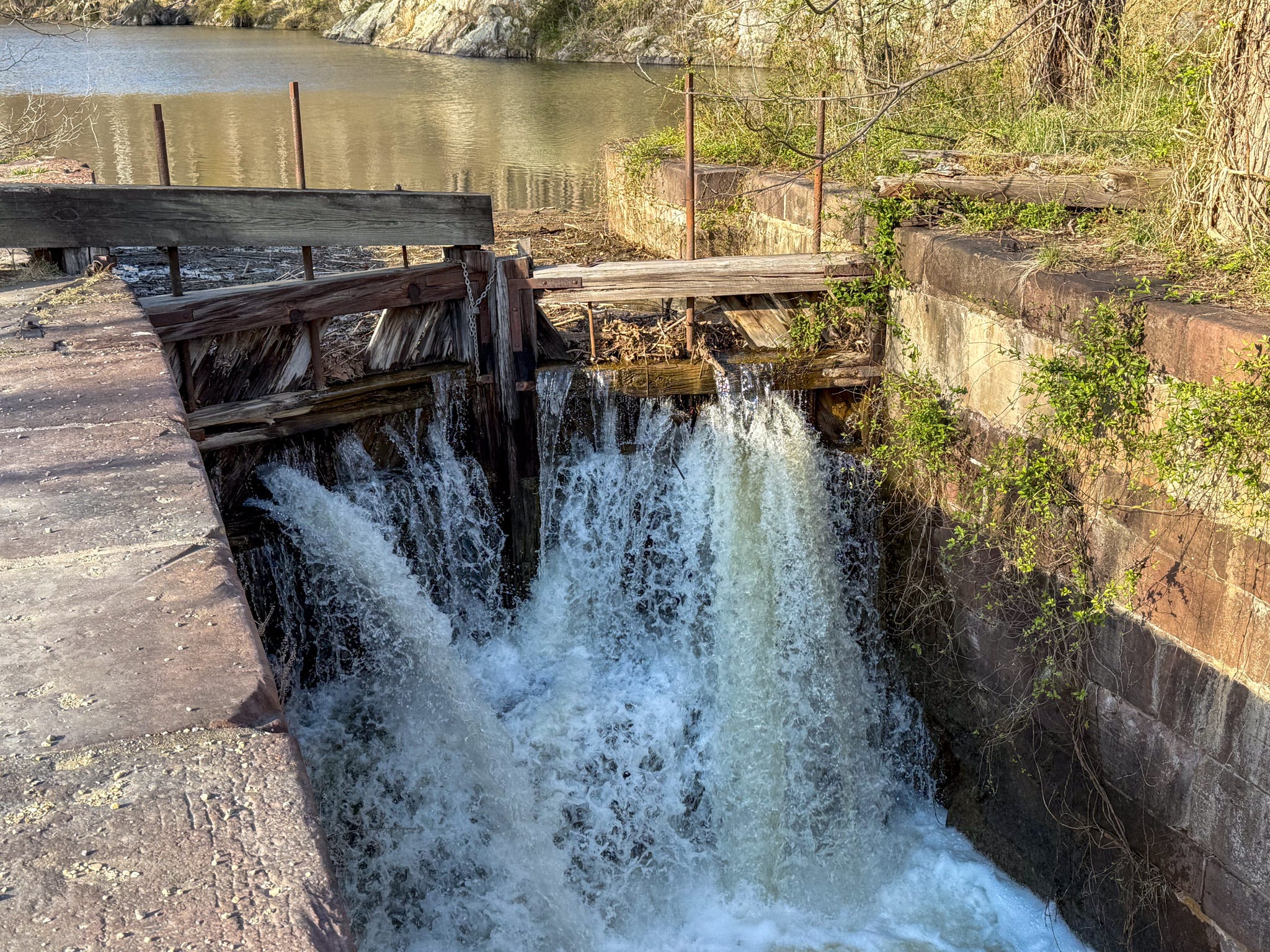
From Baltimore City we drove to Ferry Hill in Washington County. The week before we had found the Wild Tulip (*Tulipa sylvestris) population that grows in the woods above the parking area for Lock 38 of the C&O Canal. When we were there the week before there were only leaves. We now hoped they would be blooming. They weren’t, but they were in bud. Good enough for me. I have seen Wild Tulips in Portugal. The leaves are much thinner than our domestic tulips and the smaller flowers are yellow often tinged with red. Cool. 1 for 4 for the day.
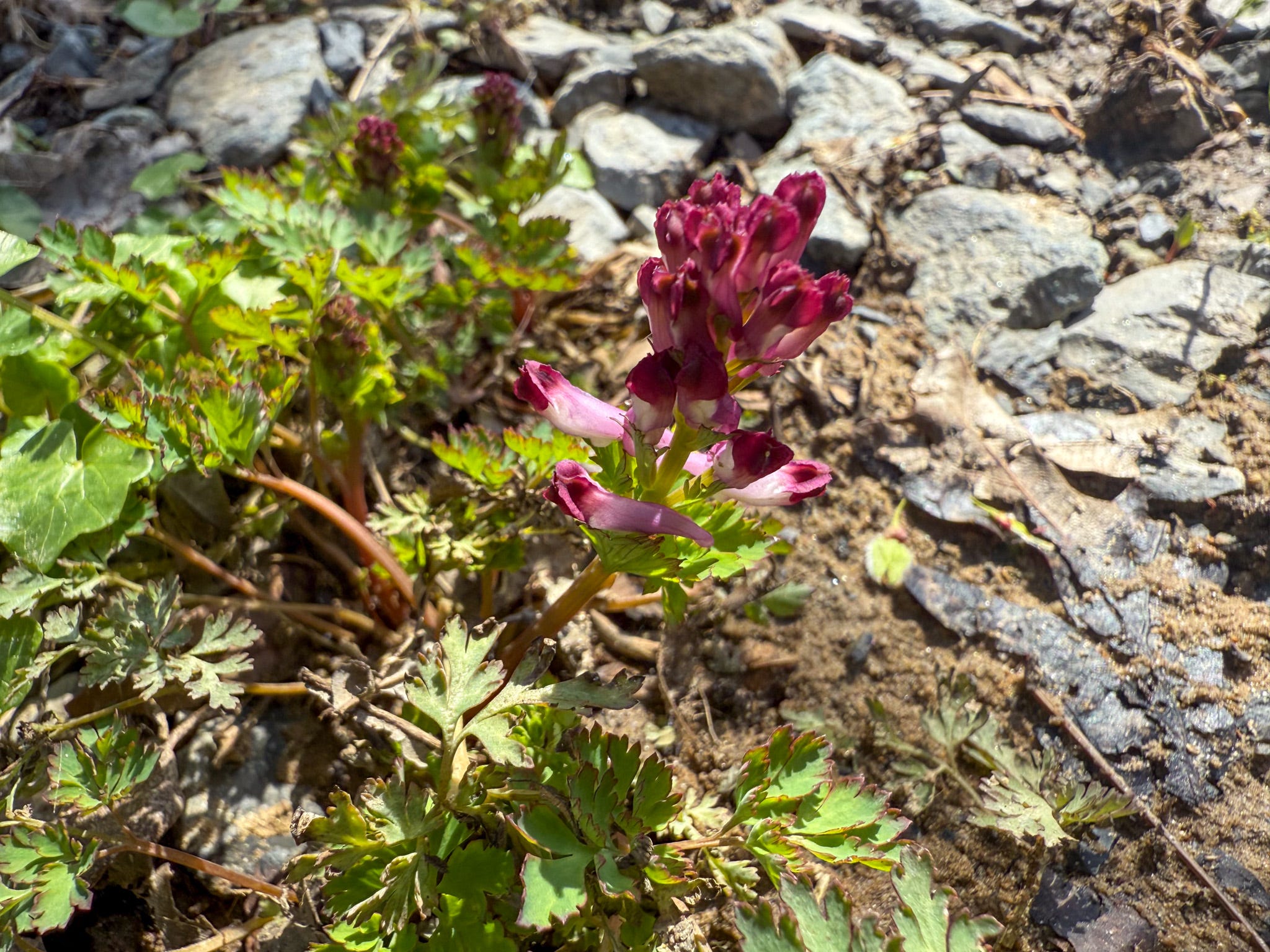
From Ferry Hill we drove down river into Montgomery County. Our first stop was along the Cabin John off of Tuckerman Lane. Here we were looking for American Elm (Ulmus americana). We eventually found a tree in fruit, but the fruit were so high up I couldn’t get identifiable photos. No worries. We had other American Elm locations. We did see our first of the year Mayapples (Podophyllum peltatum) and Incised Fumewort (*Corydalis incisa).
Back to fruit trees. Ugh. Nantucket Serviceberry (Amelachier nantuckensis) is a very rare shrub that grows along the cliffs of the Potomac Gorge at Great Falls. Once again, since neither Tom nor I had ever seen this plant before, we weren’t entirely sure what we were looking for. We knew that these plants were smaller shrubs, so we went looking for small serviceberries growing on the cliffs along the Billy Goat Trail. According to The Rare, Threatened, and Endangered Plants of Maryland (Frye, 2025) Nantucket serviceberry is described as, “…typically andropetalous (petals appearing much like a wider stamen) with few ‘normal-looking’ petals.”
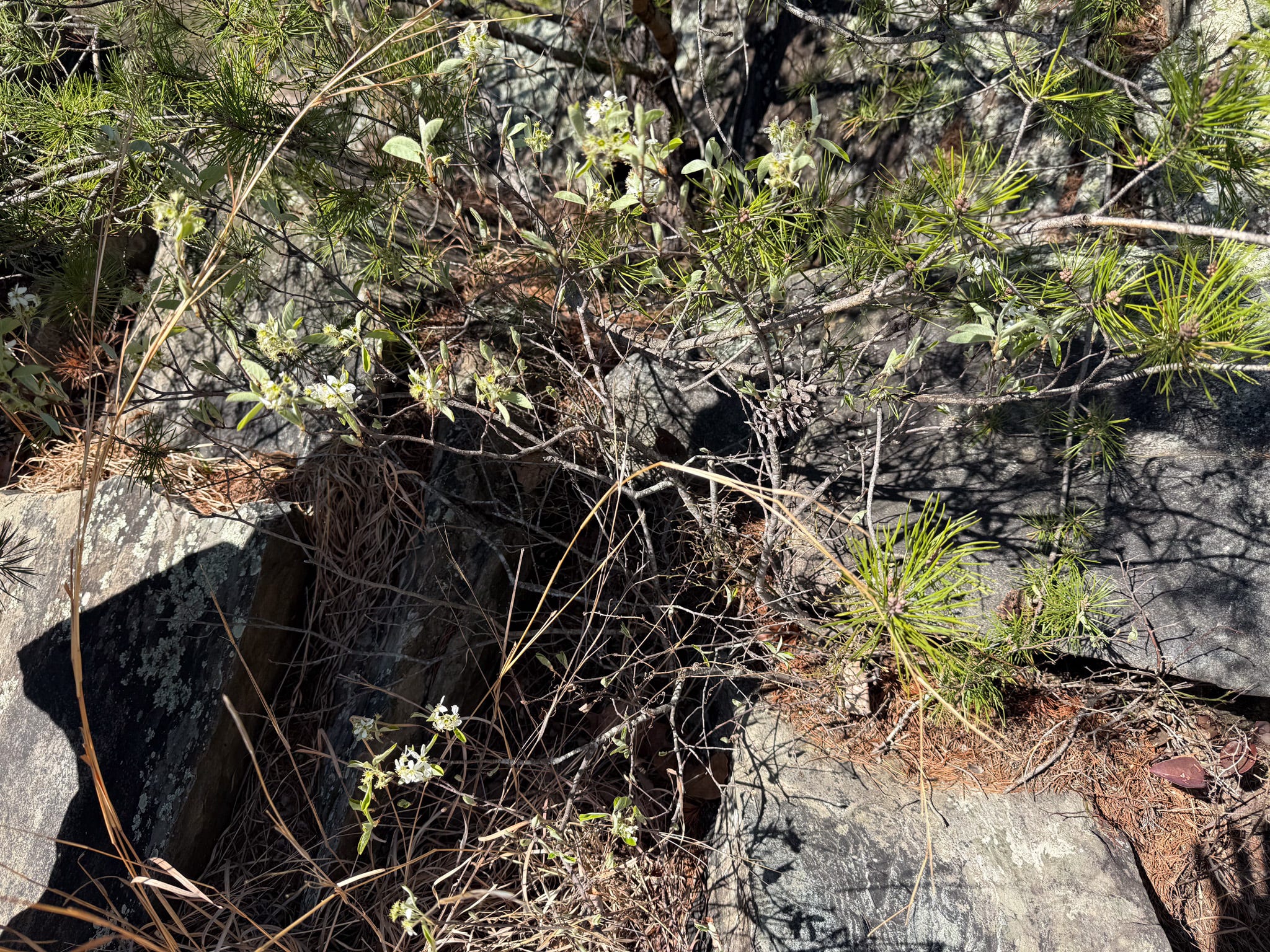
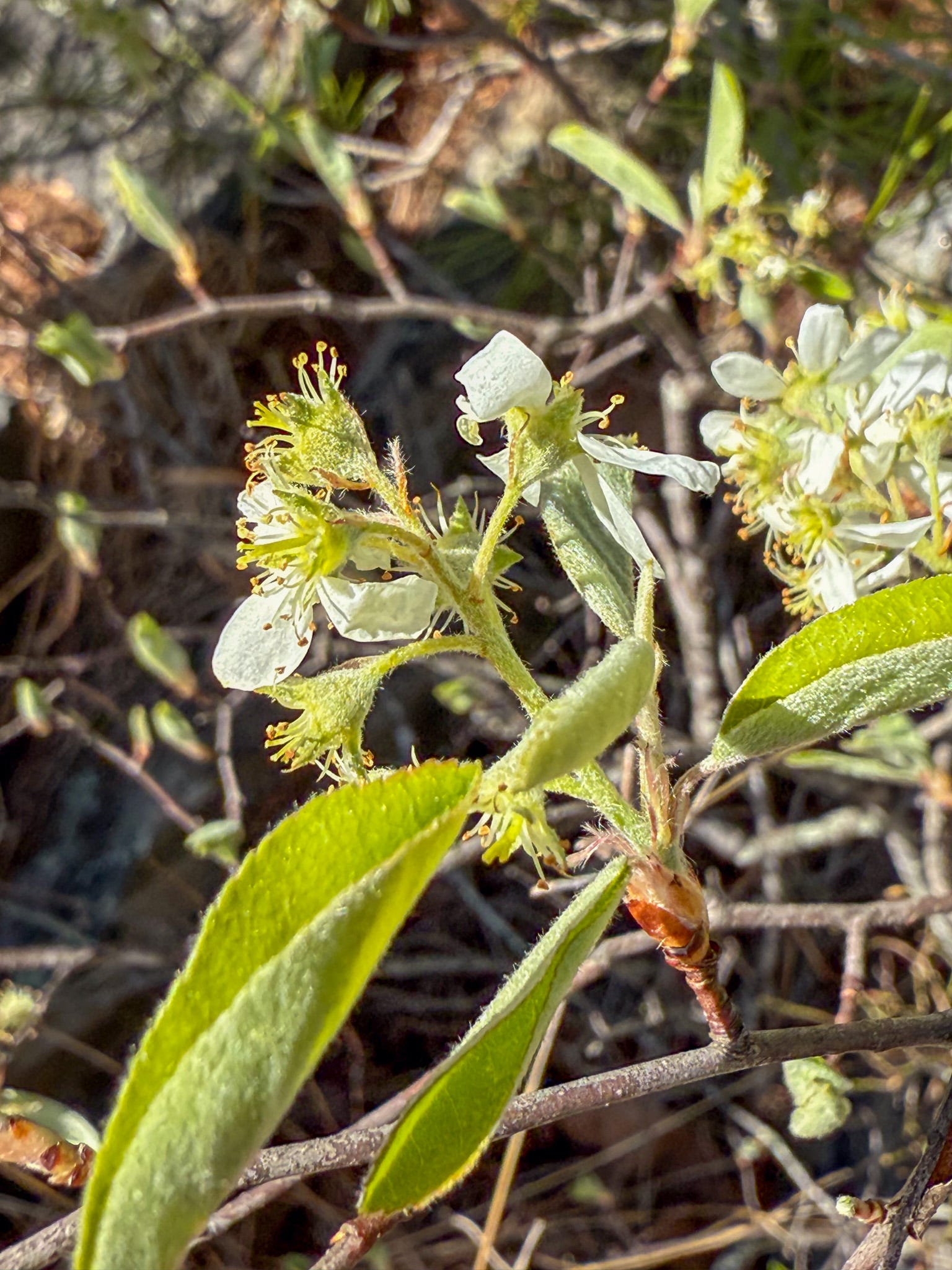
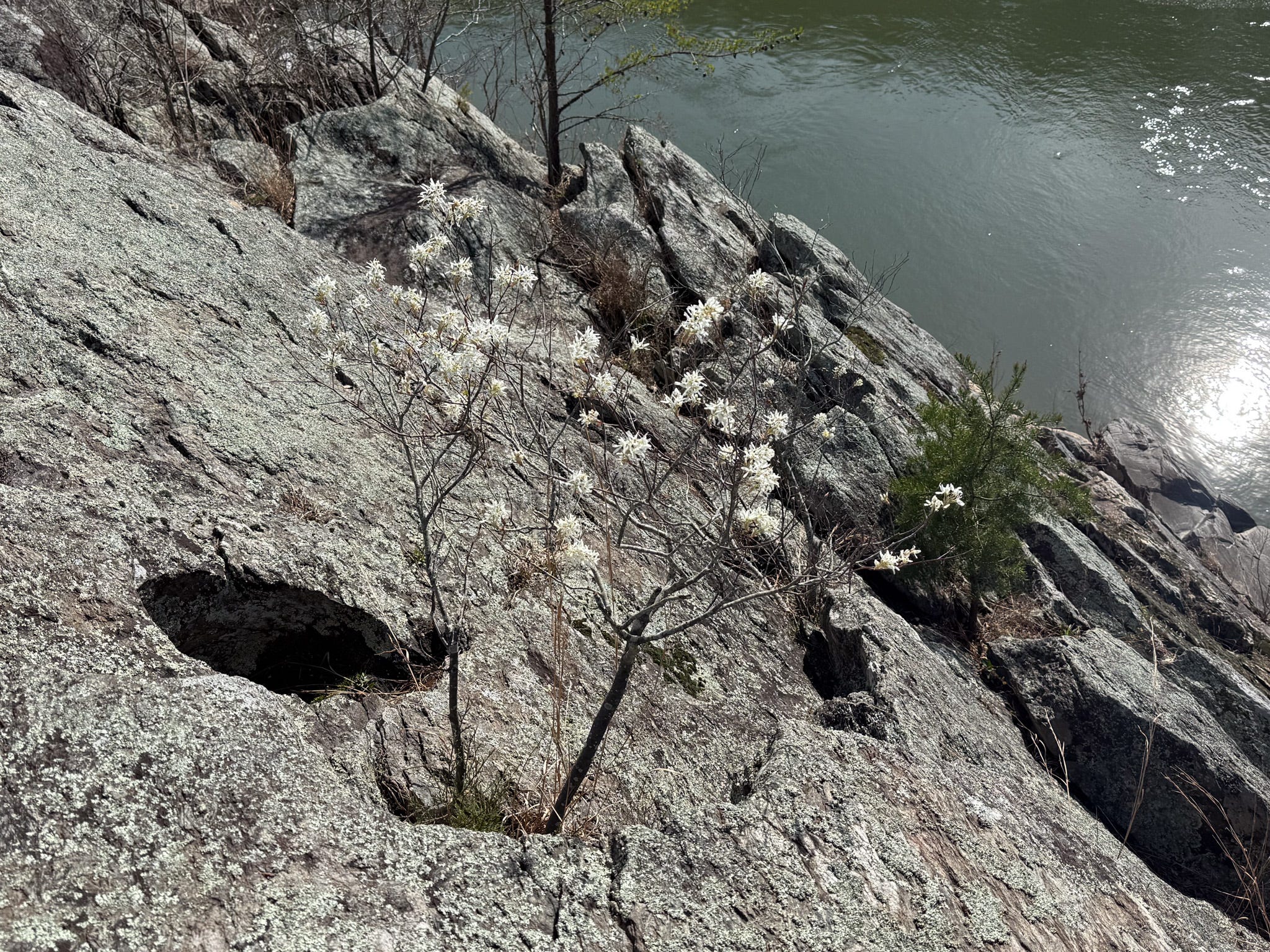
We did find very small blooming serviceberries along the cliffs. Most had well developed flower petals. We had real difficulty keying them out. They didn’t key cleanly. Supposedly there is another small serviceberry that can also be found growing along the rocks of the gorge - Running Serviceberry (Amelanchier spicata). I really don’t know what species we saw. We did see many blooming Common Serviceberries (Amelanchier arborea).
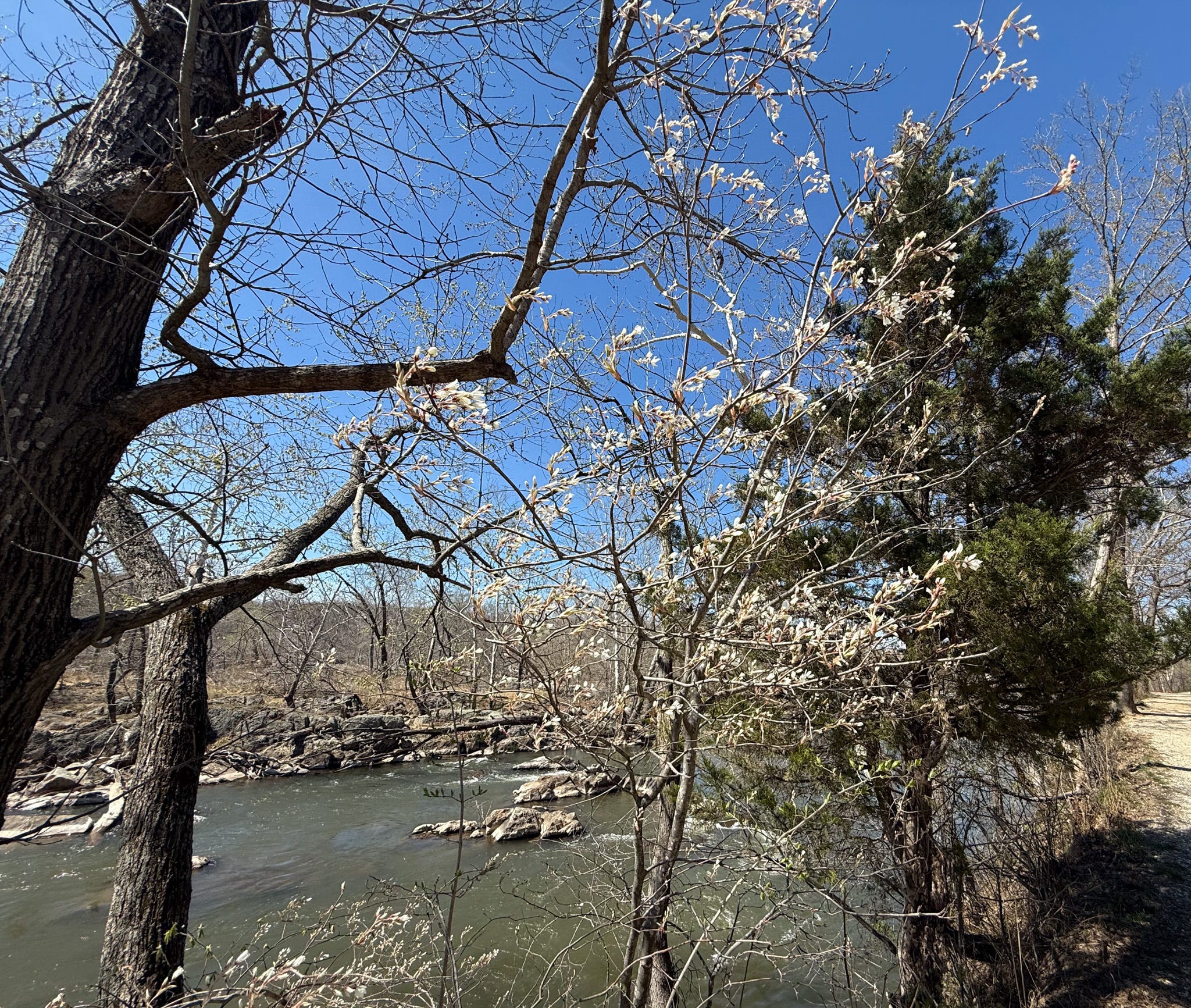
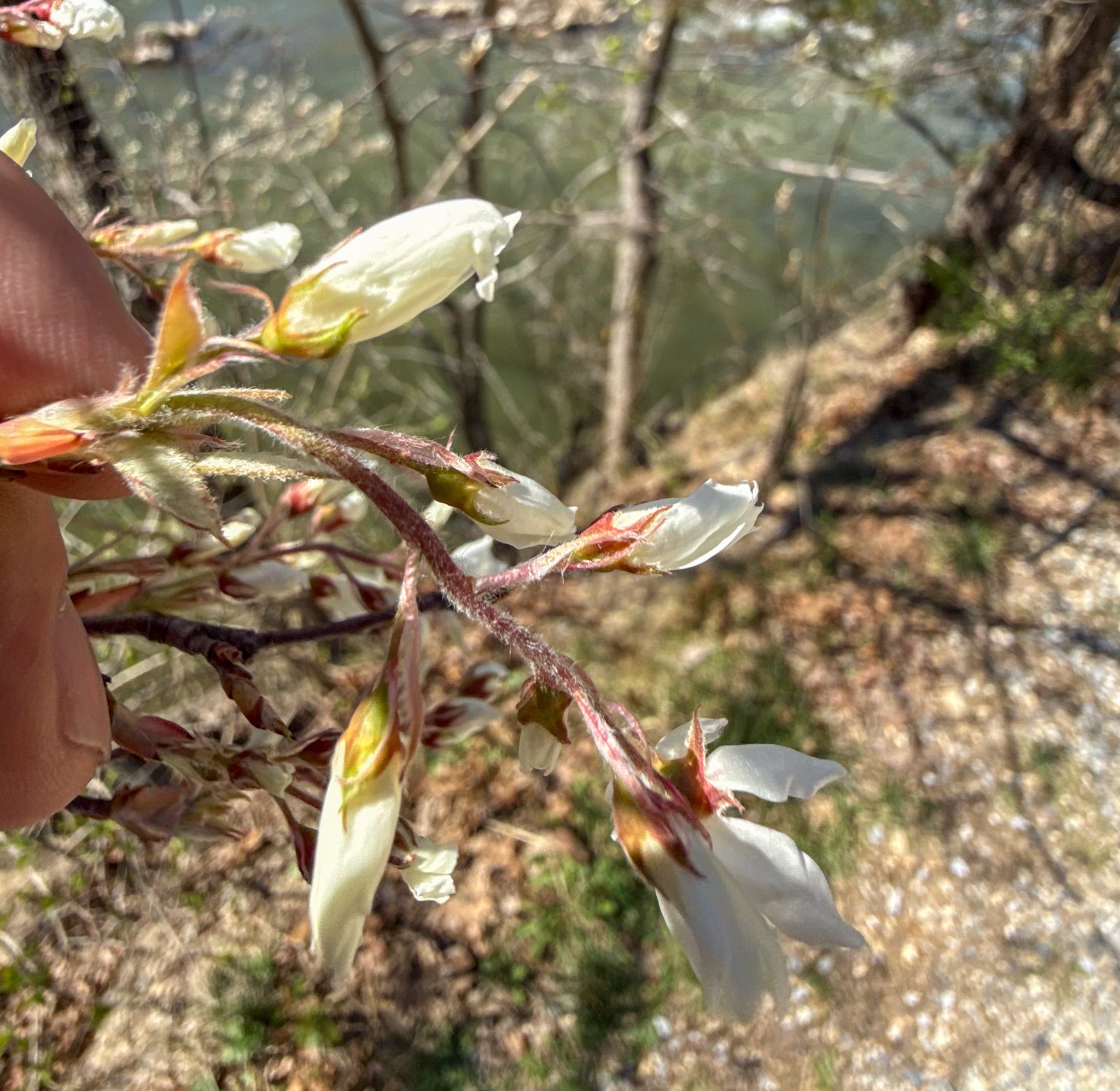
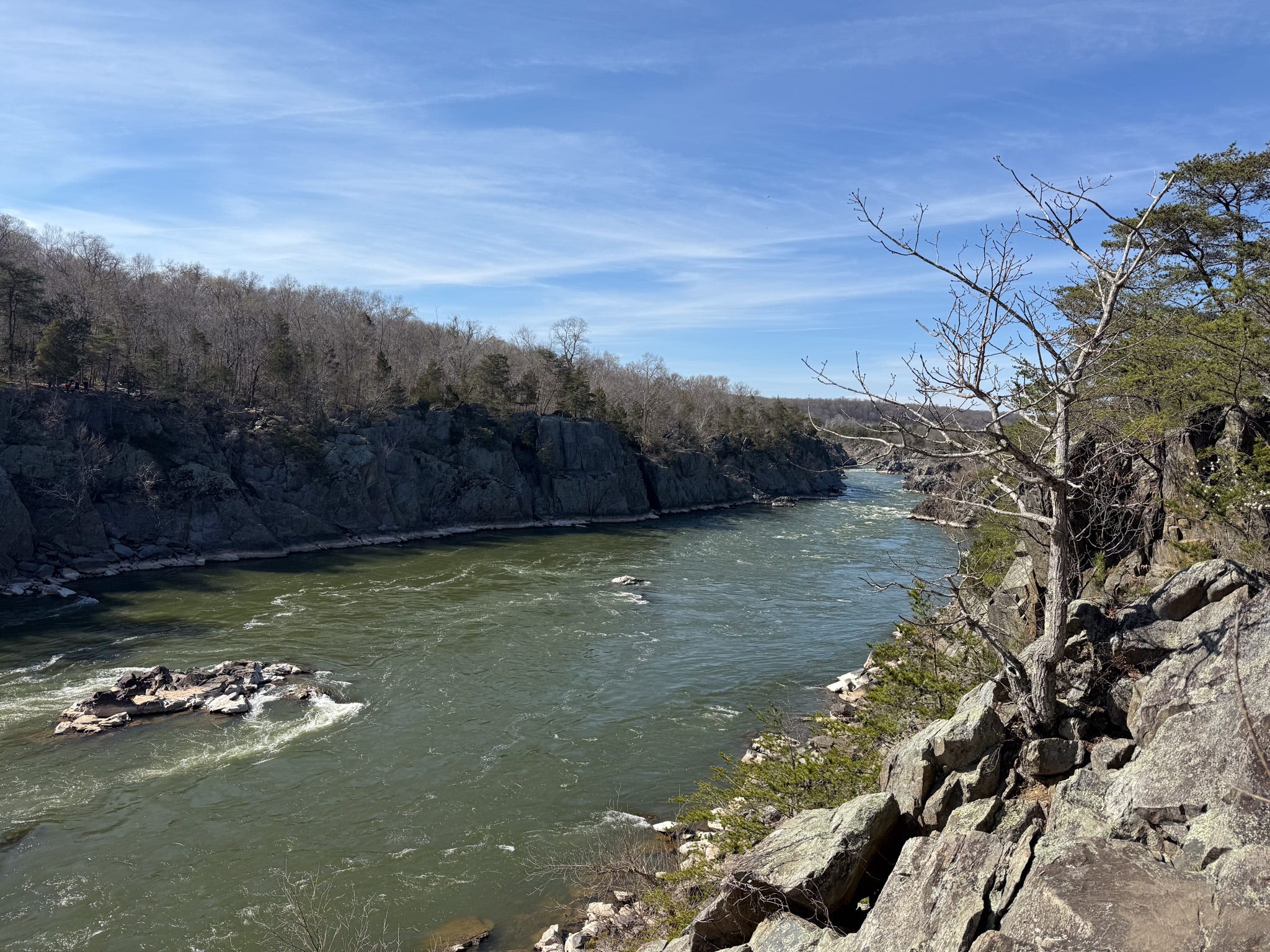
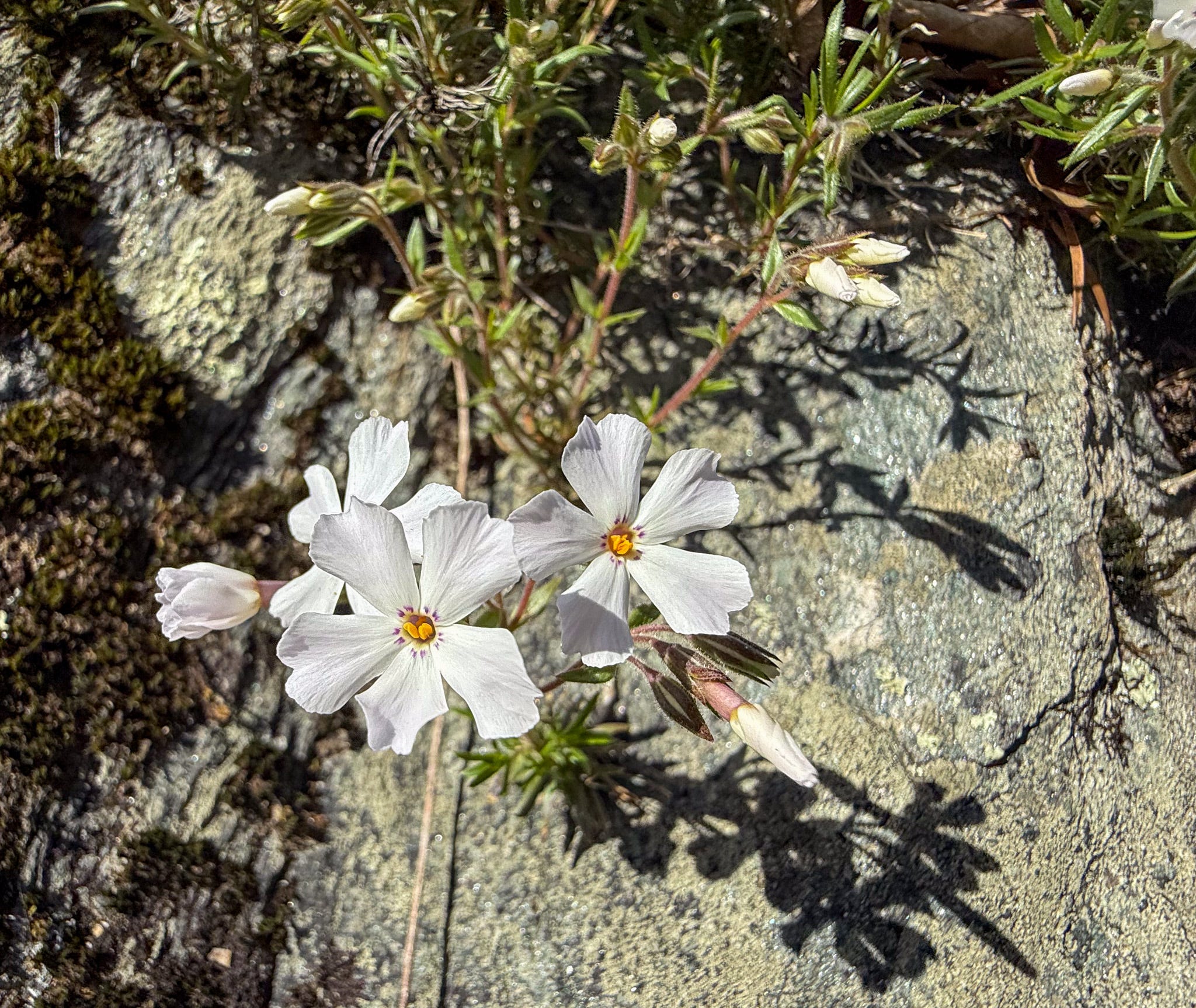
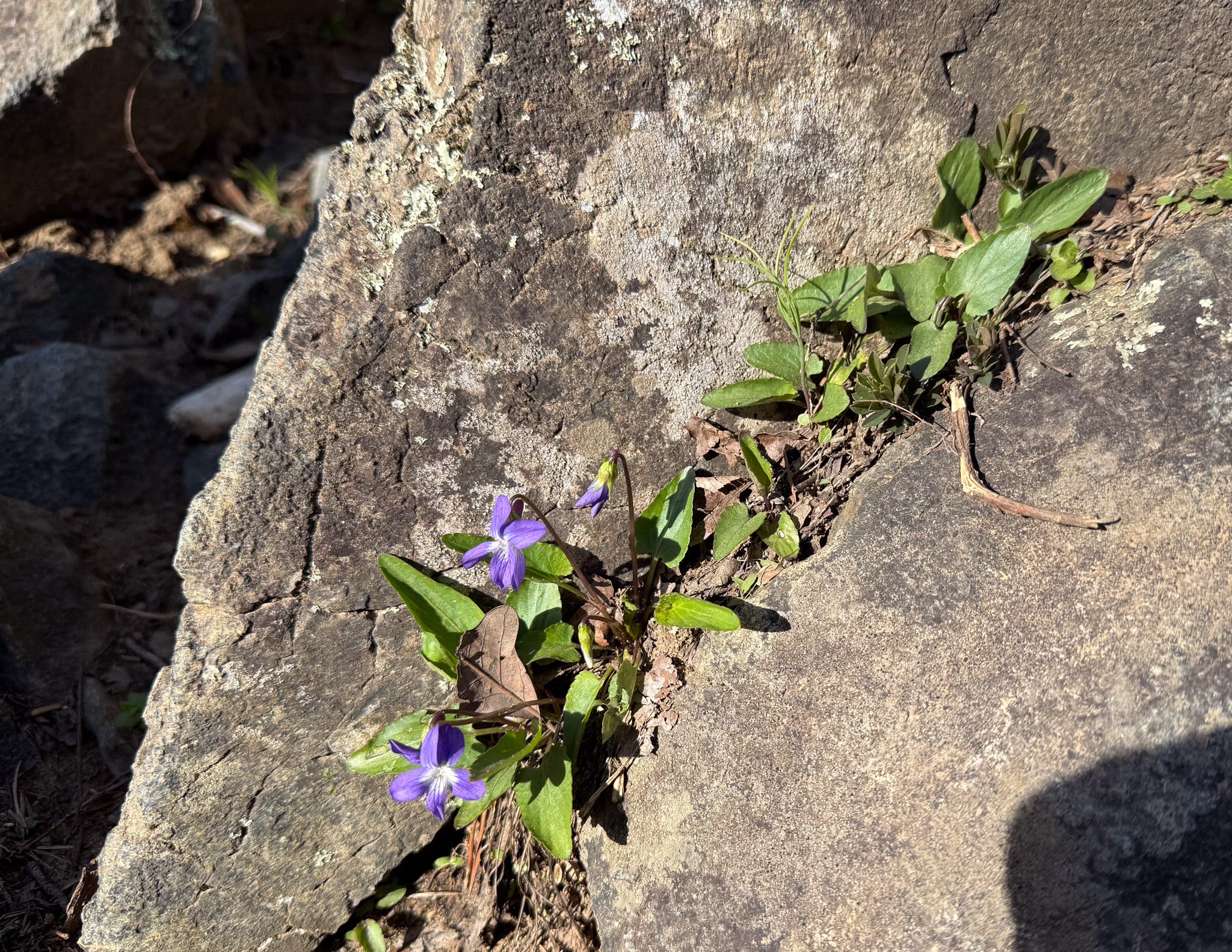
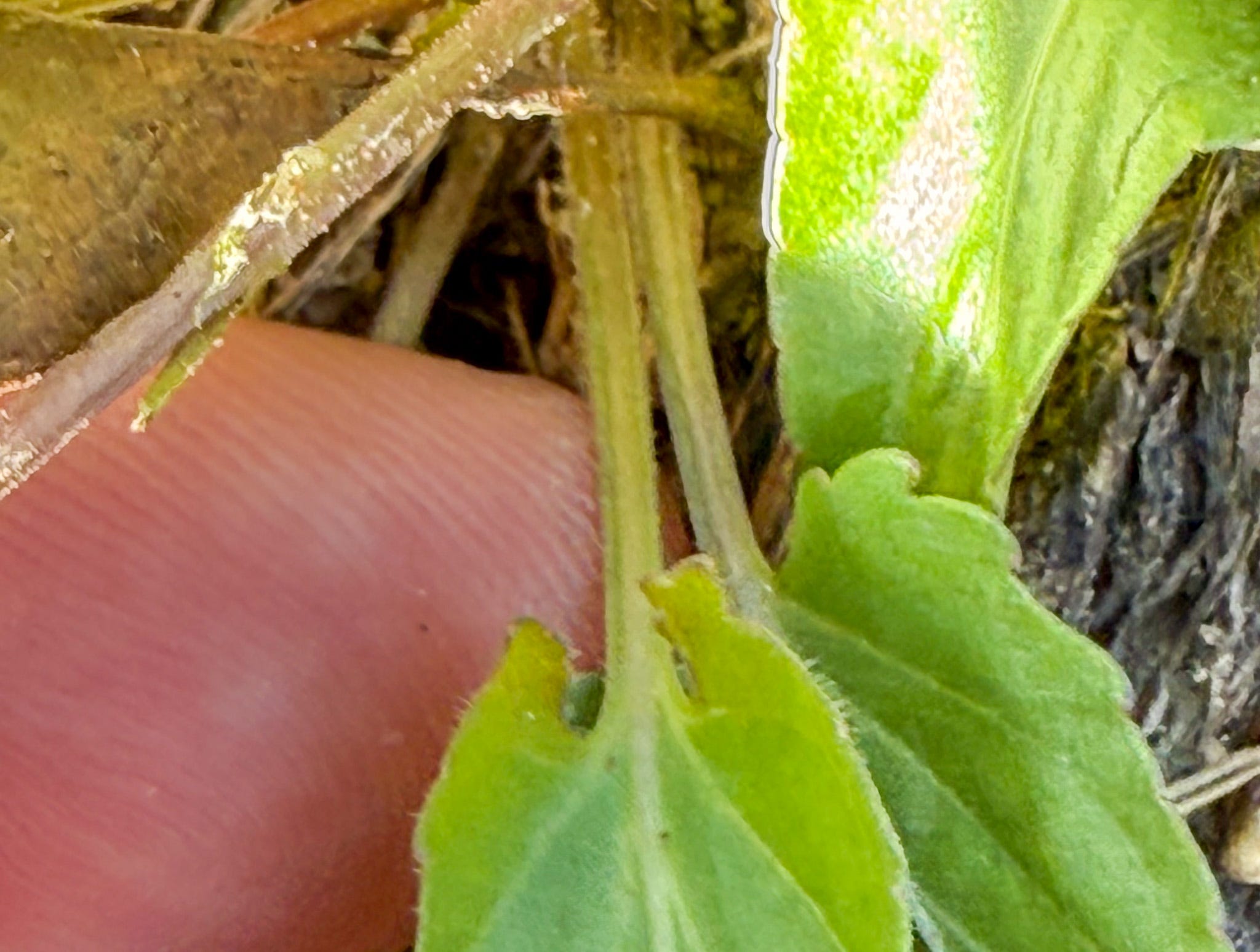
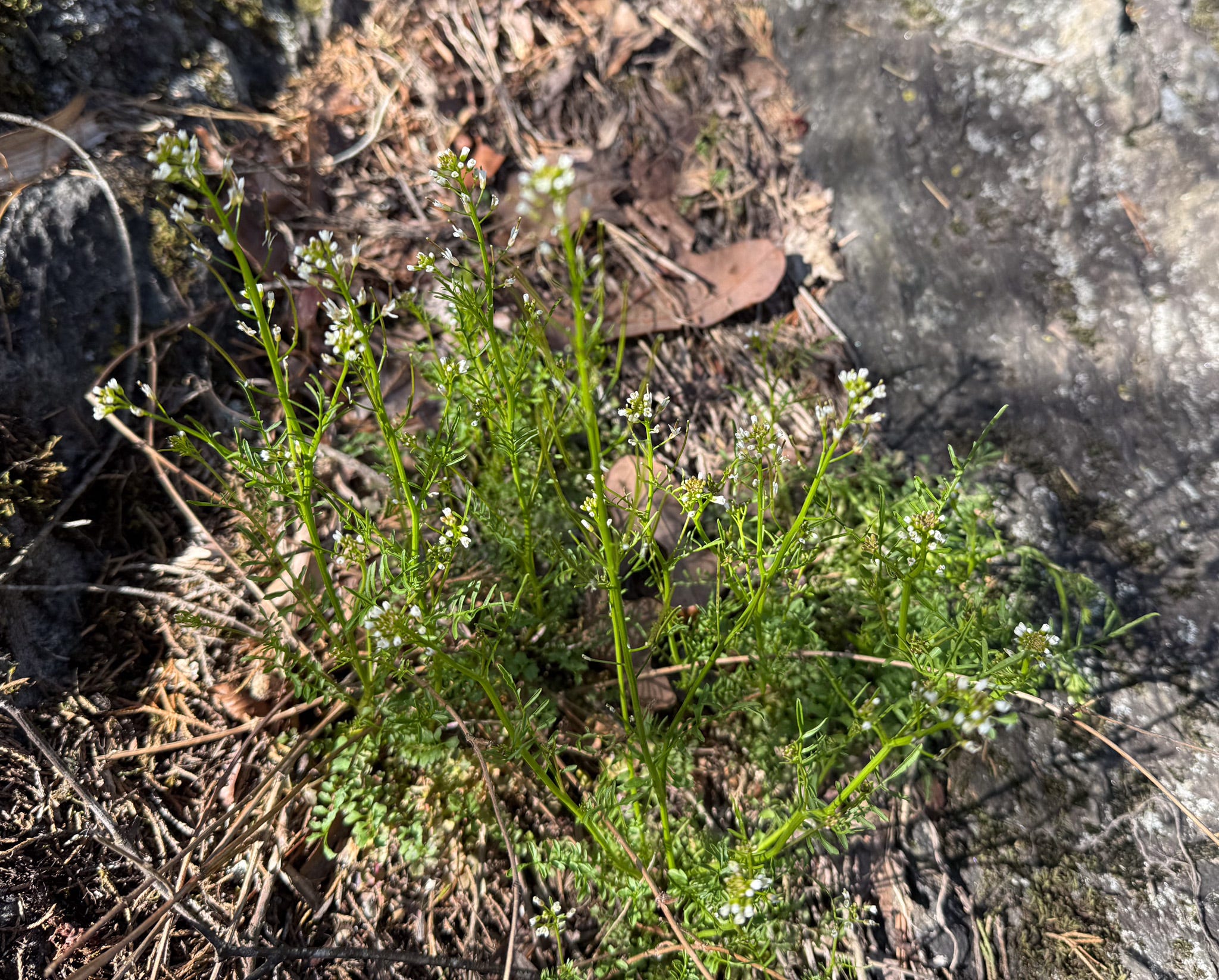
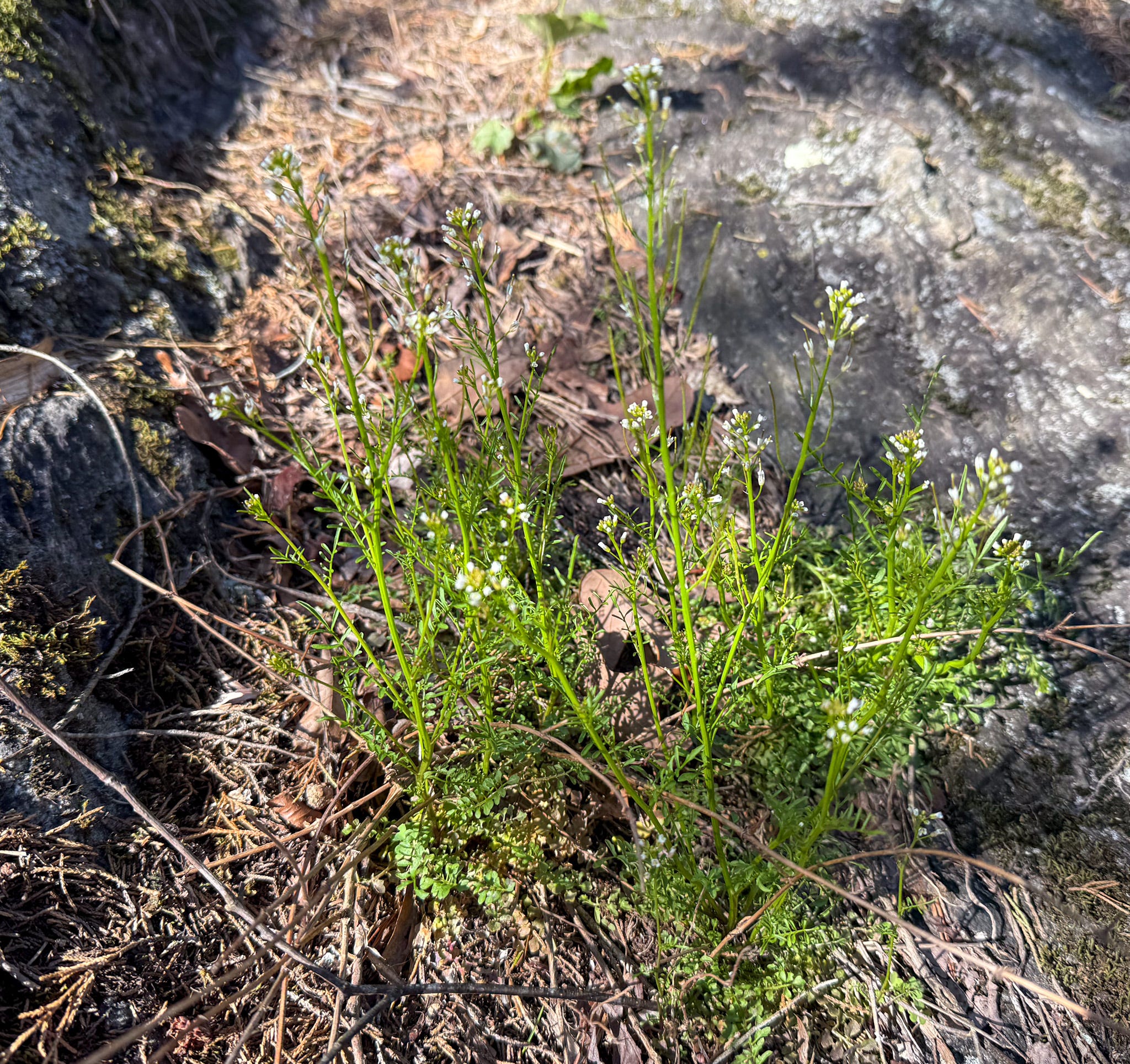
The Billy Goat Trail is awesome. It follows the Potomac, running along the top of the gorge south of Great Falls. It was the first time I hiked the entire trail. New plants were ticked along every turn of the trail. Moss Phlox (Phlox subulata), Downy Blue Violet (Viola fimbriulata), American Elm (Ulmus americana), Redbud (Cercis canadensis), and most importantly Sand Bittercress (Cardamine parviflora). I misidentified the Cardamine in the field. It wasn’t until I got home and looked at my photos that I realized I had documented a very cool uncommon mustard. Sand Bittercress isn’t state ranked for rarity, but it’s really uncommon. It was a new species for me!
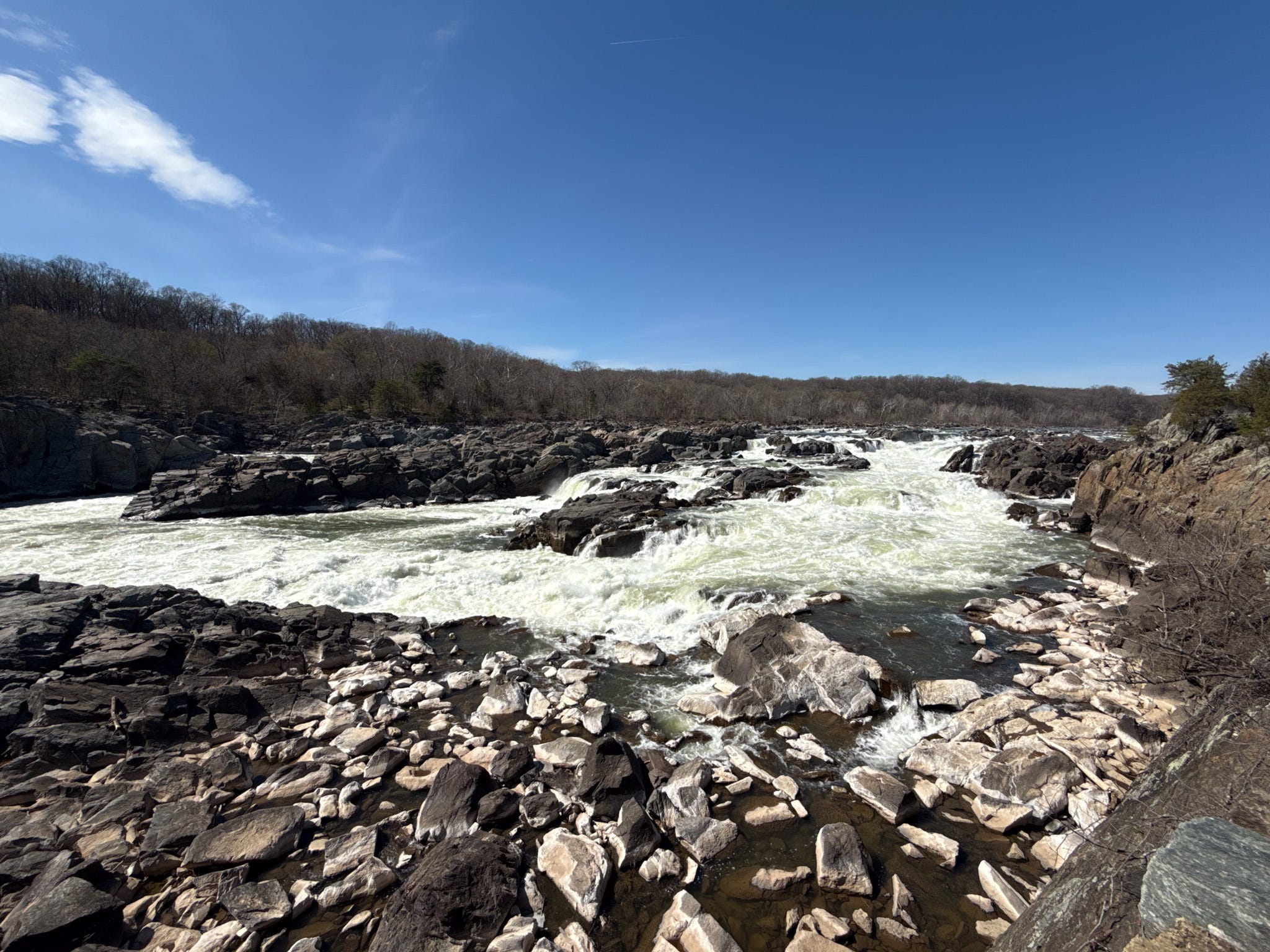
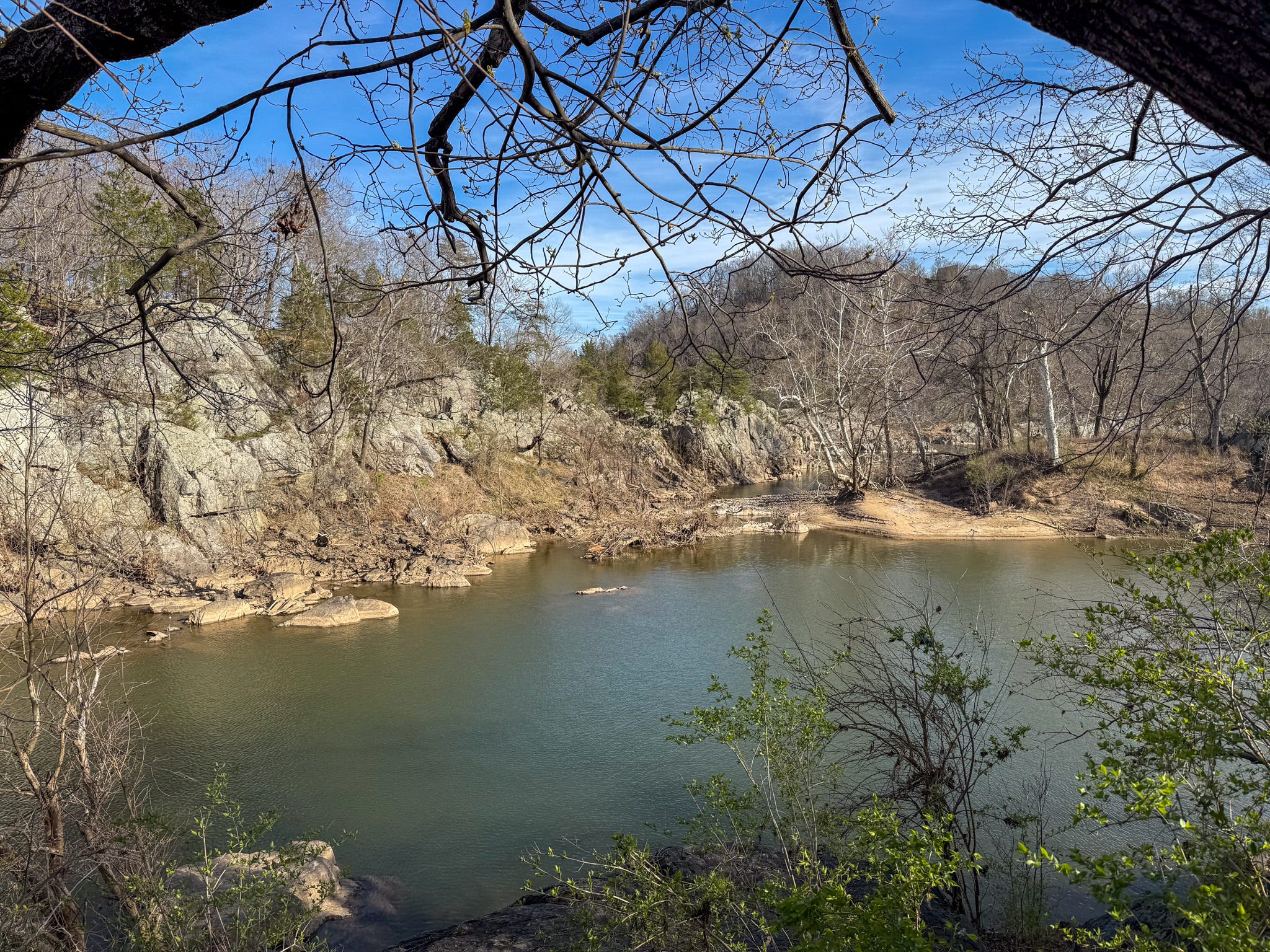
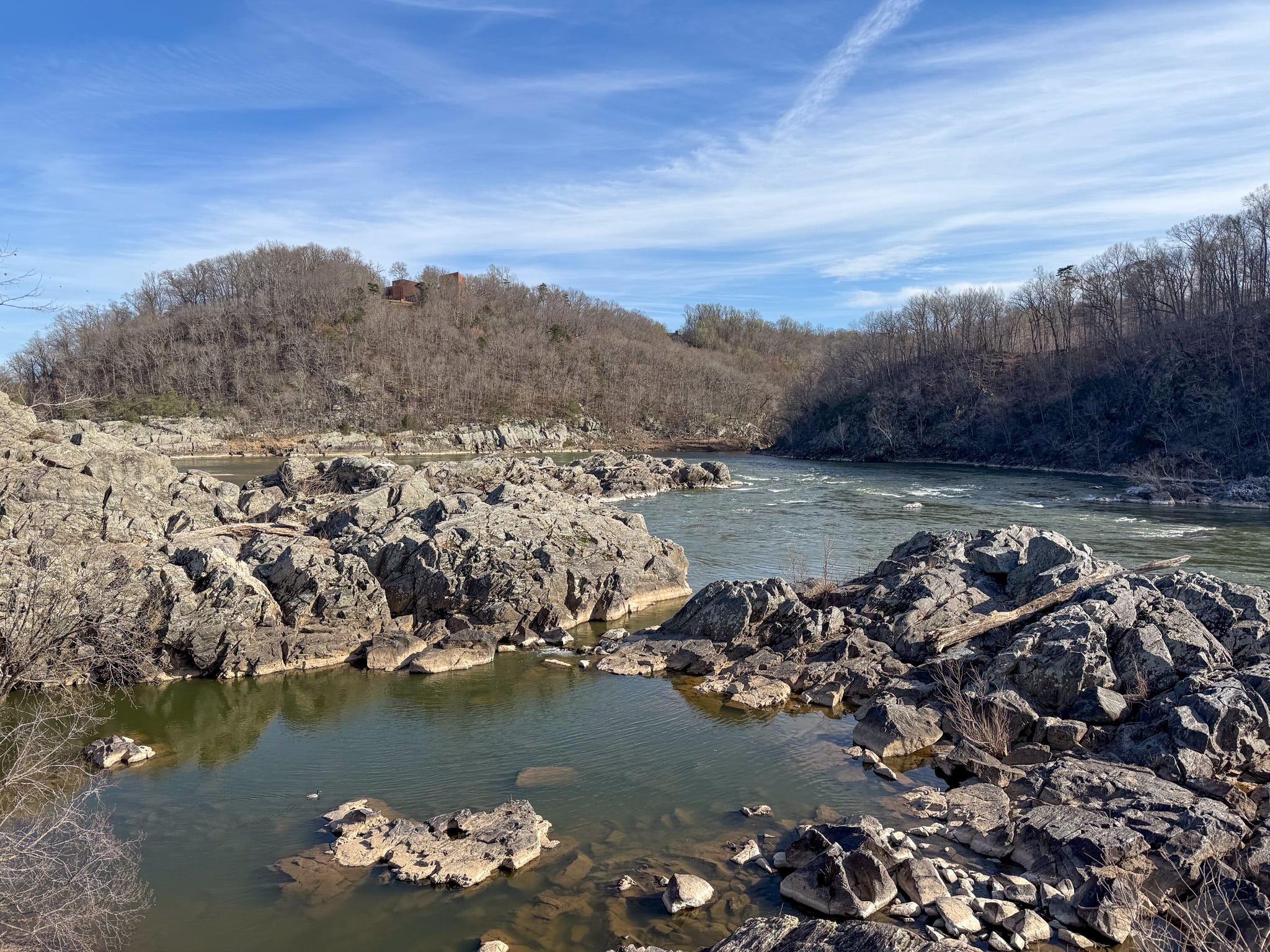
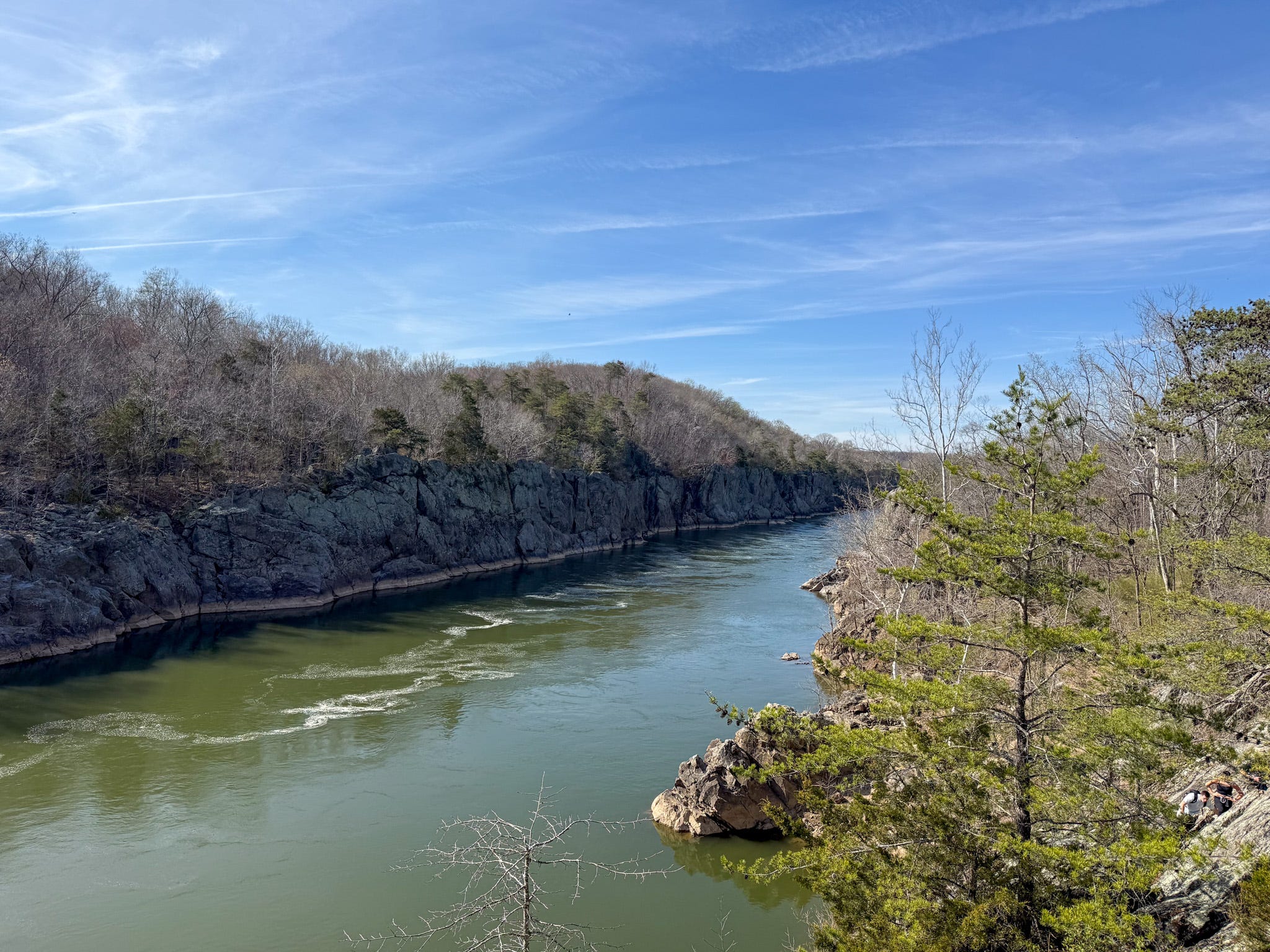
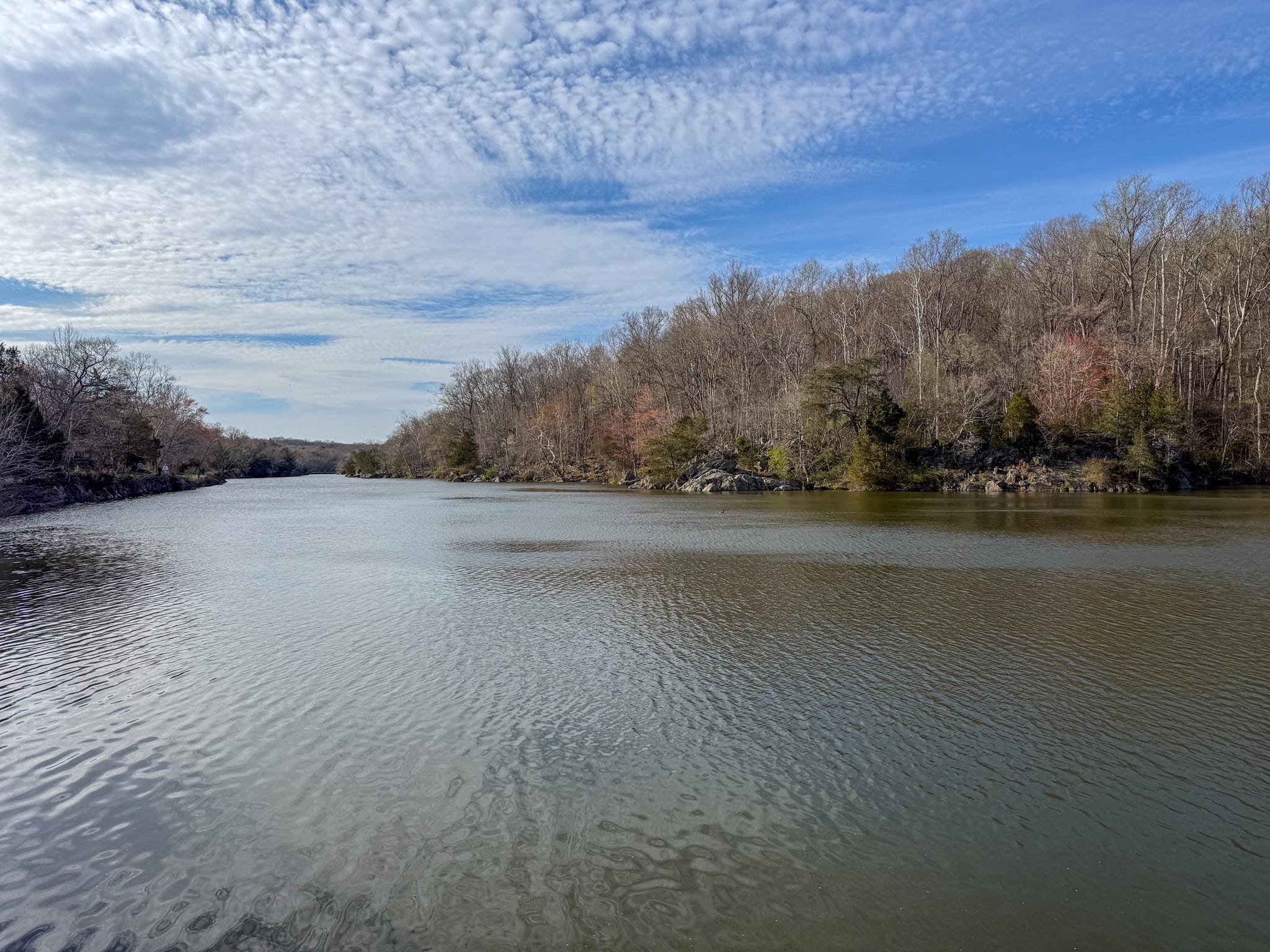
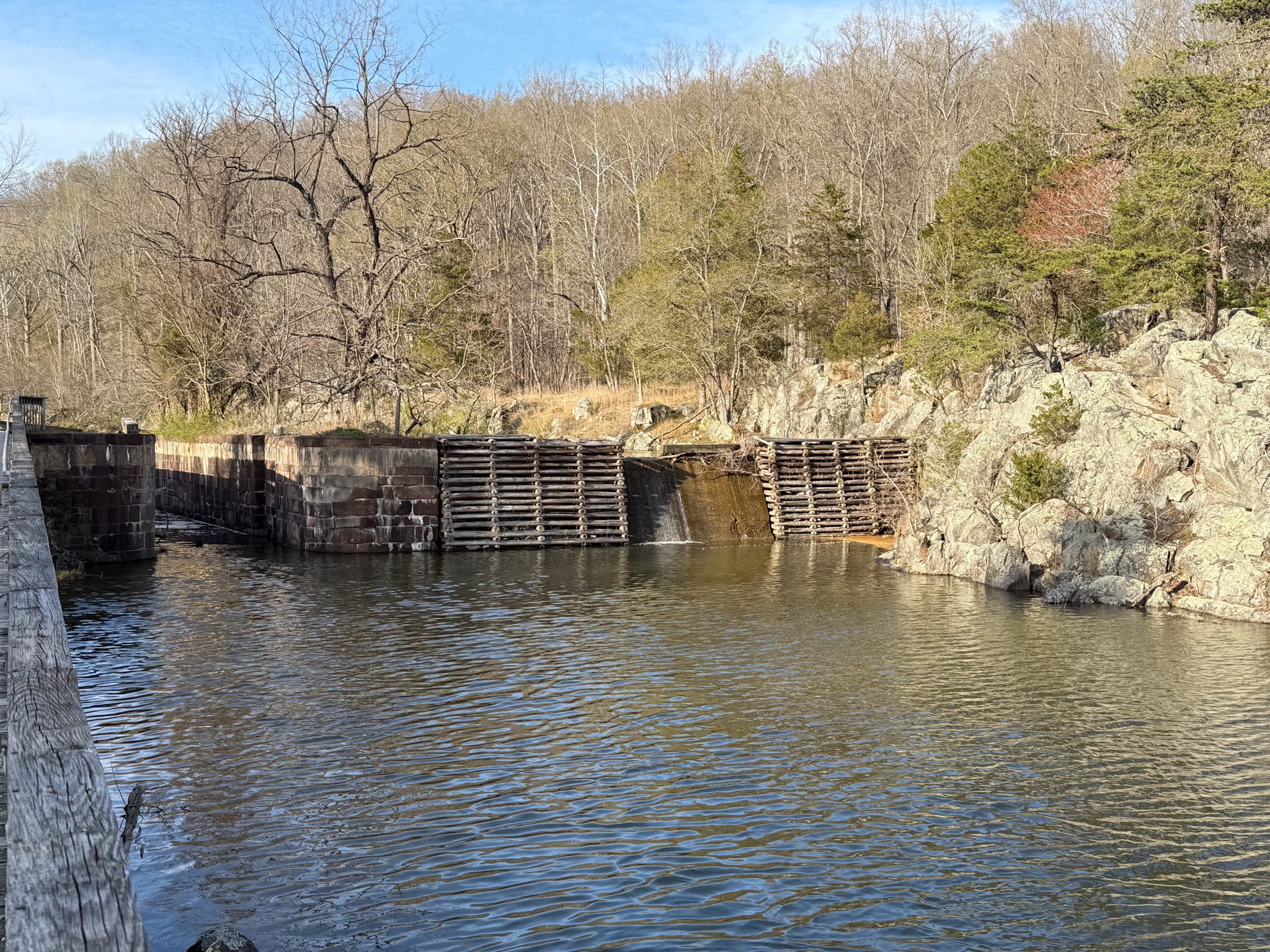
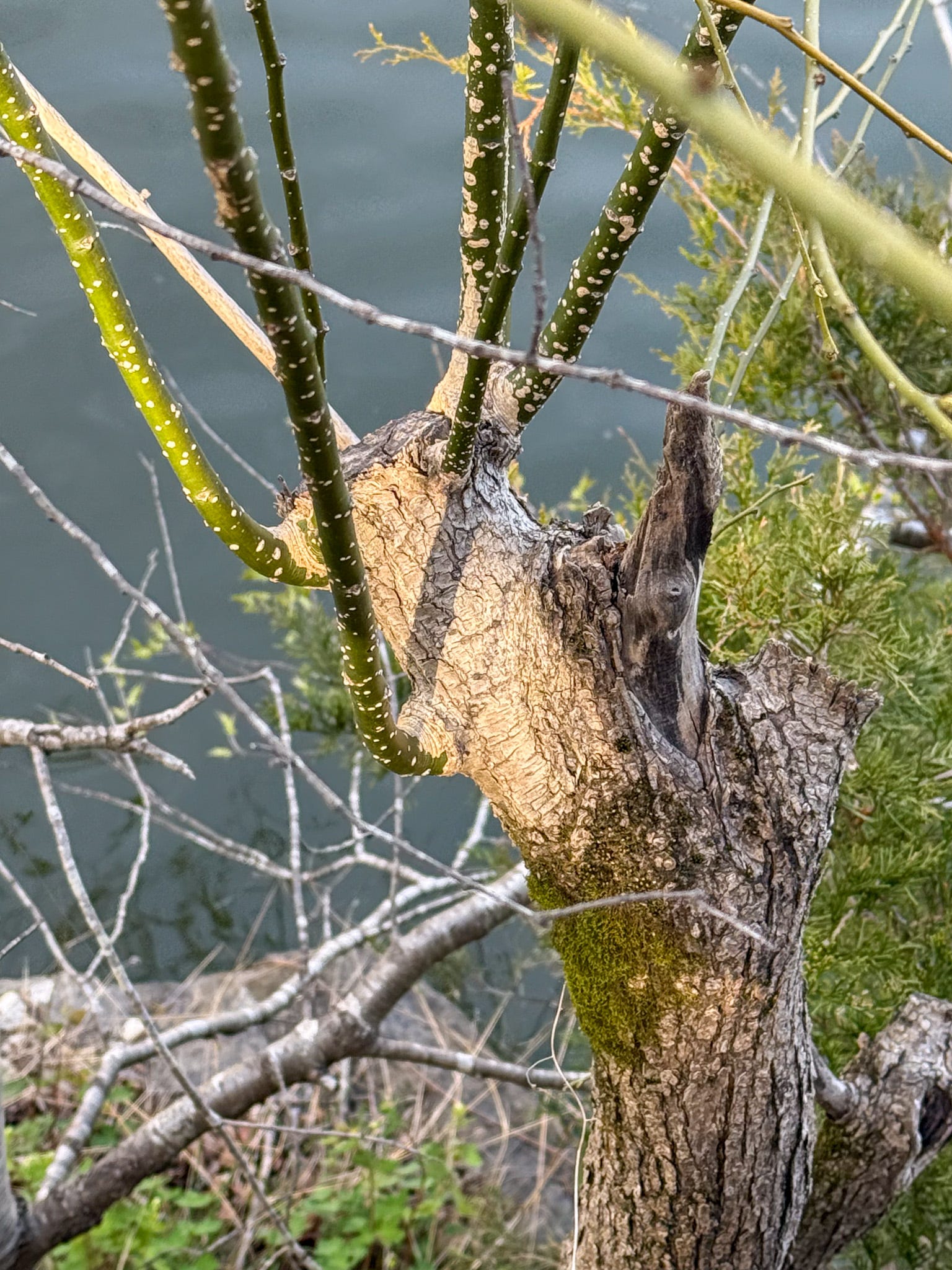
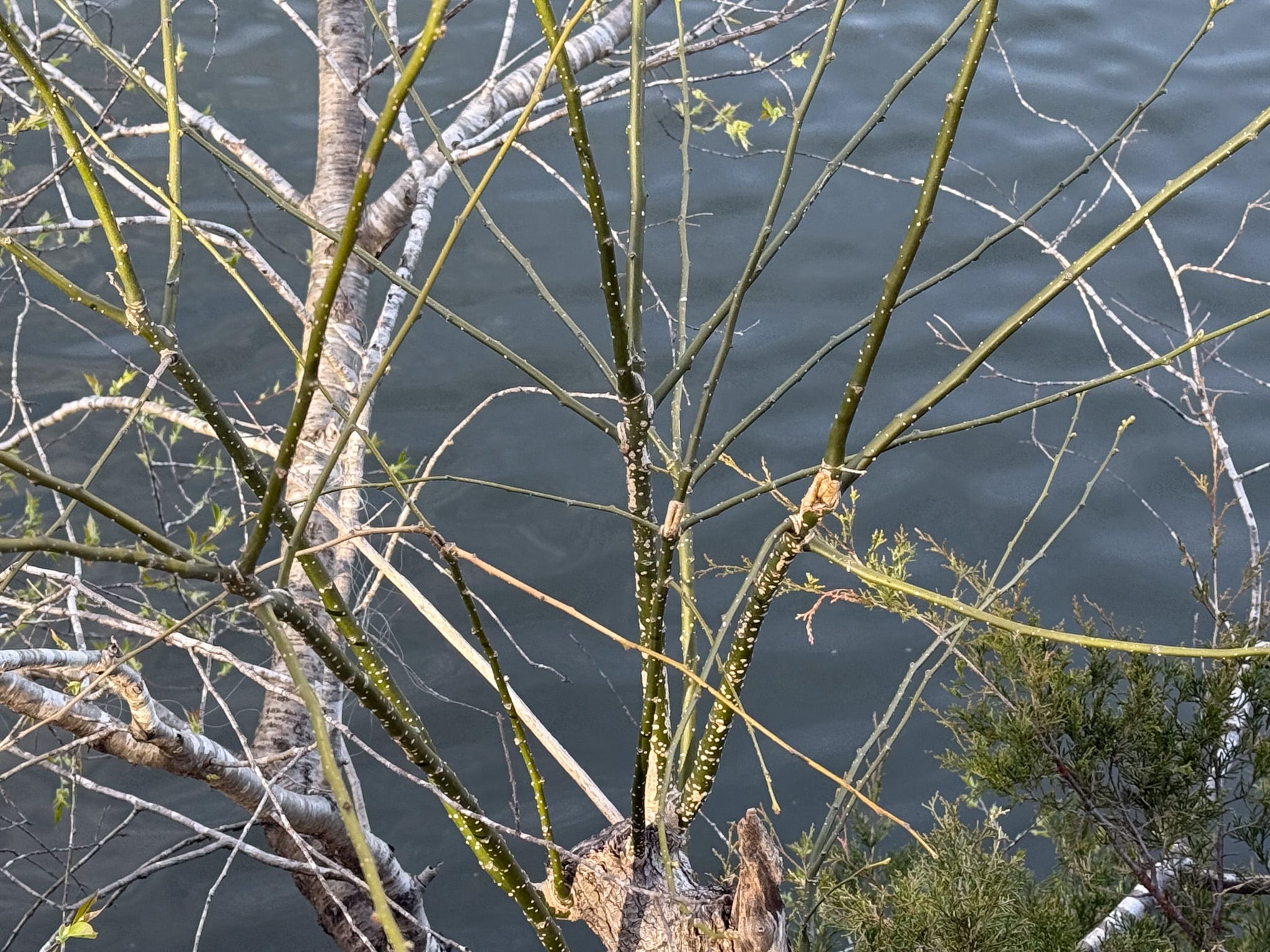
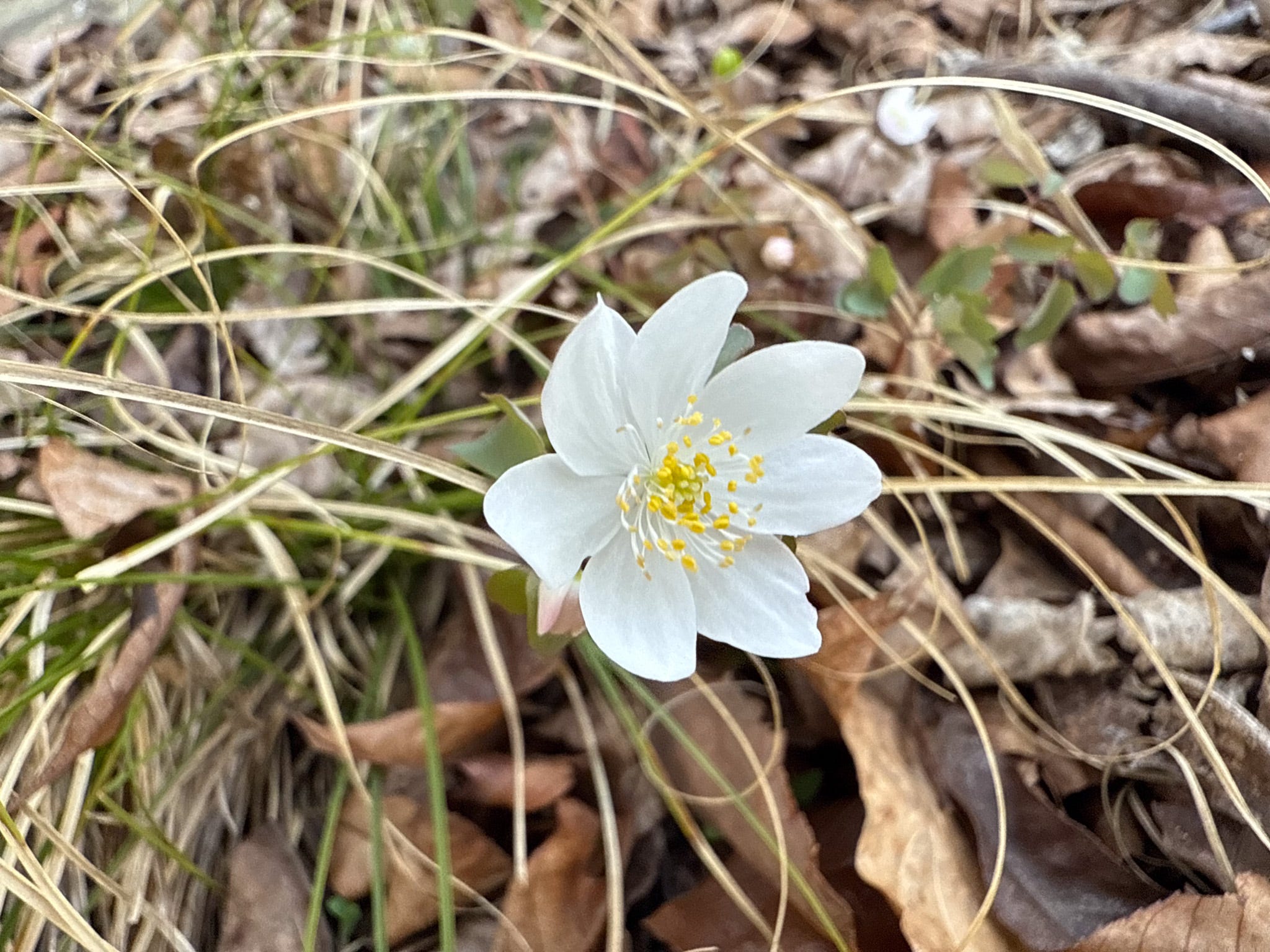
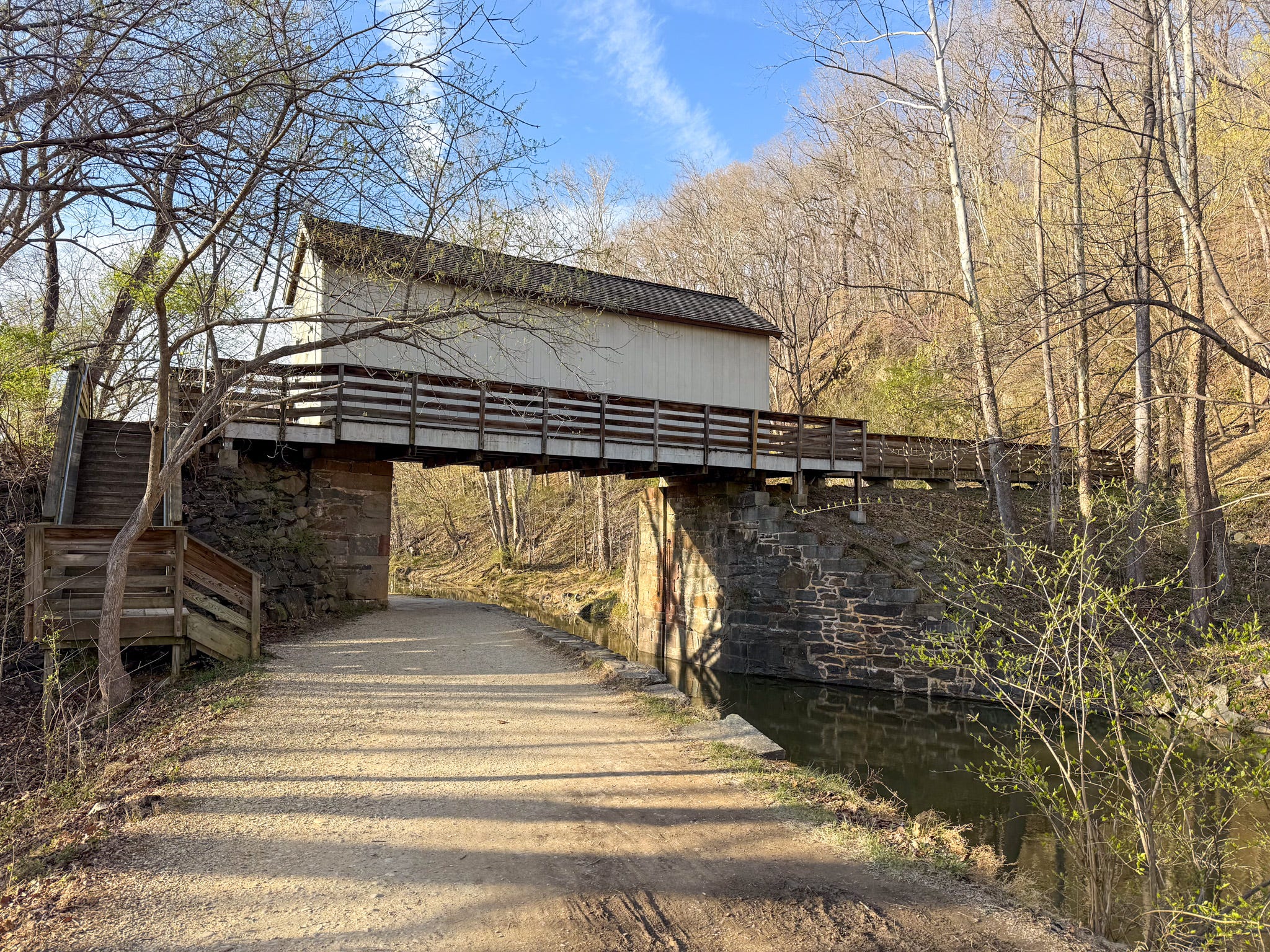
Once we got to the end of the Billy Goat Trail we had to walk back up-riveralong the C&O Canal to the Great Falls parking lot. Along the canal I ticked Japanese Pagoda Tree (*Styphnolobium japonicum) and we found a blooming Peach (*Prunus persica). Rue Anemone (Thalictrum thalictroides) was also observed blooming along the canal.
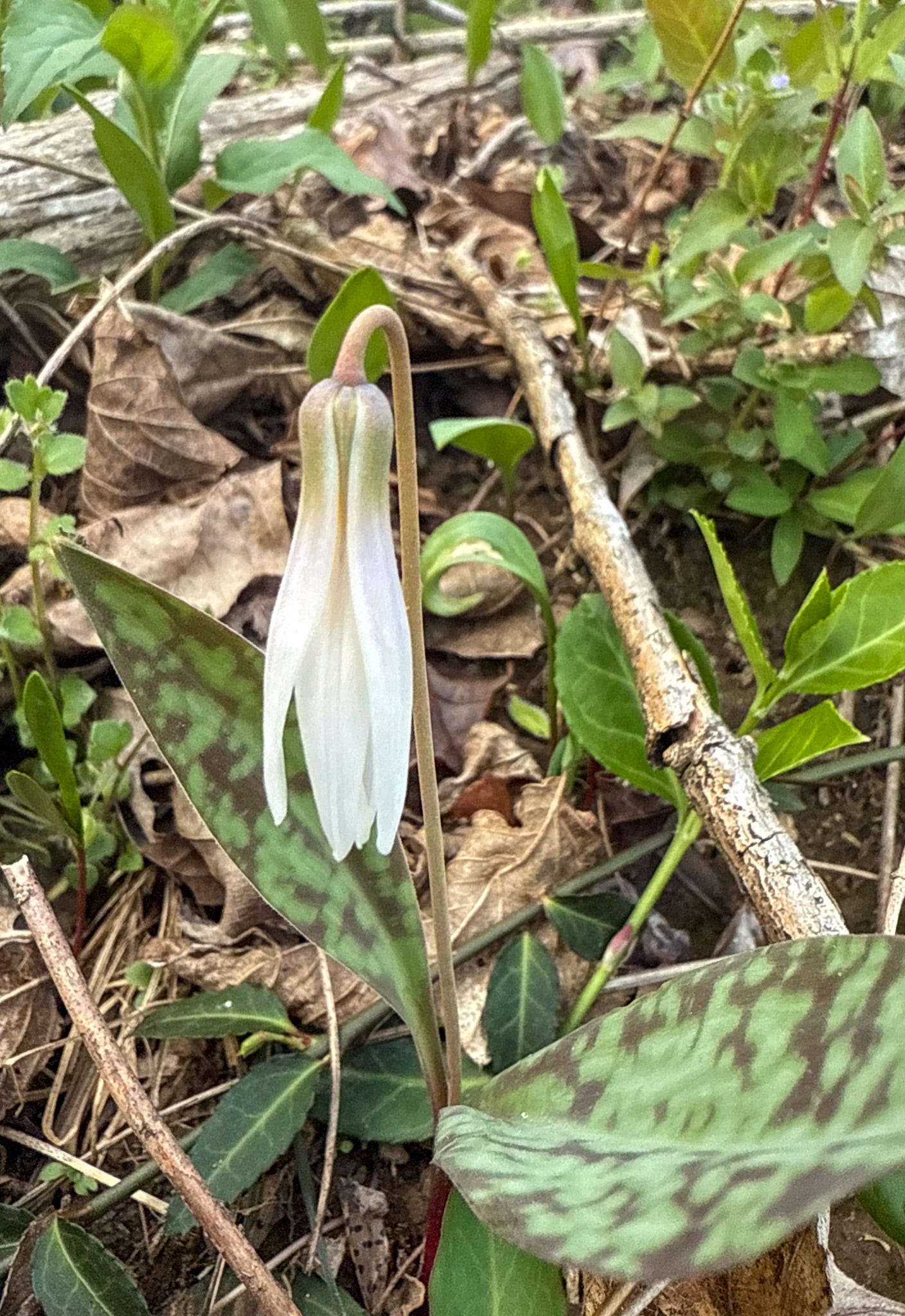
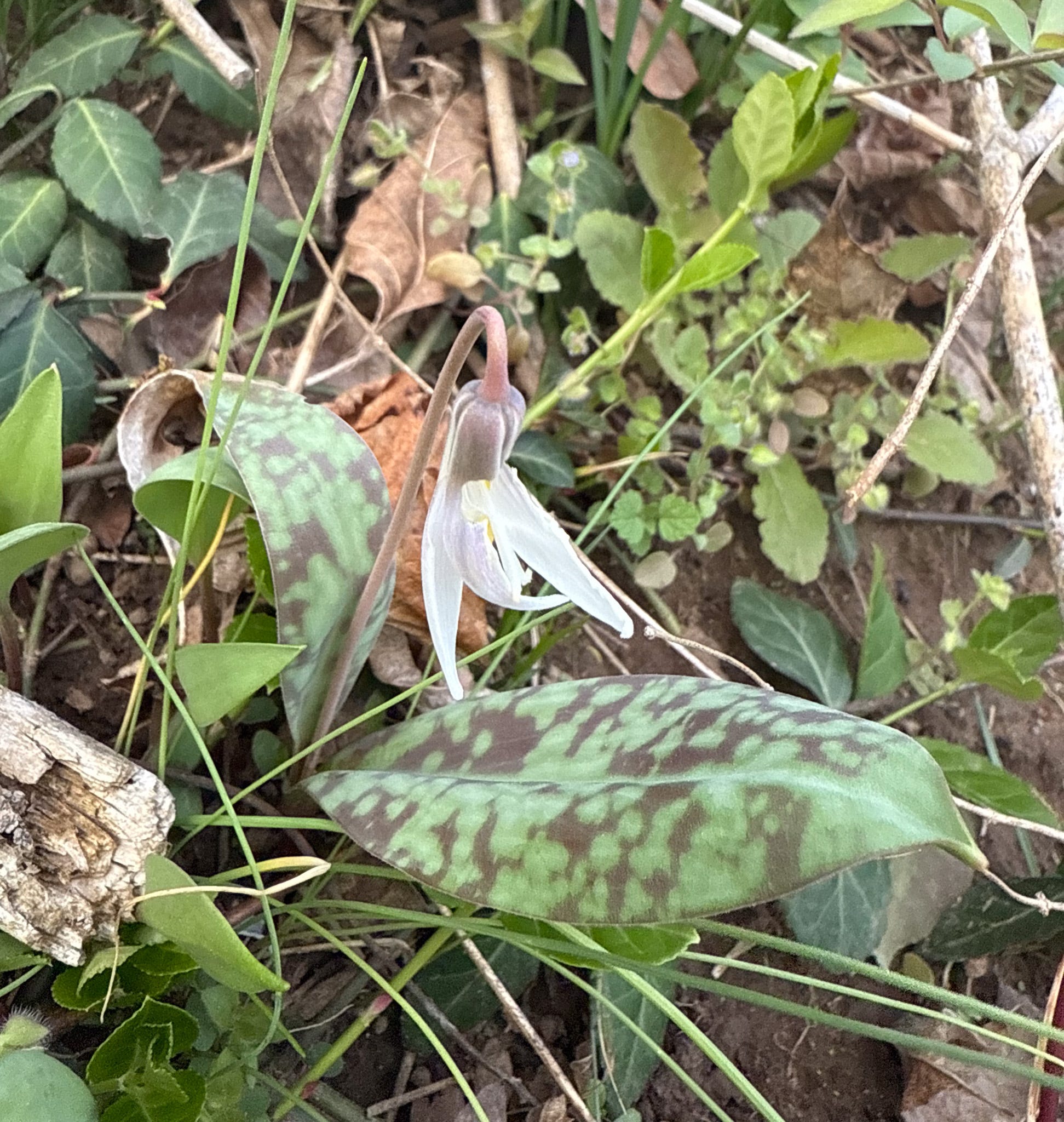
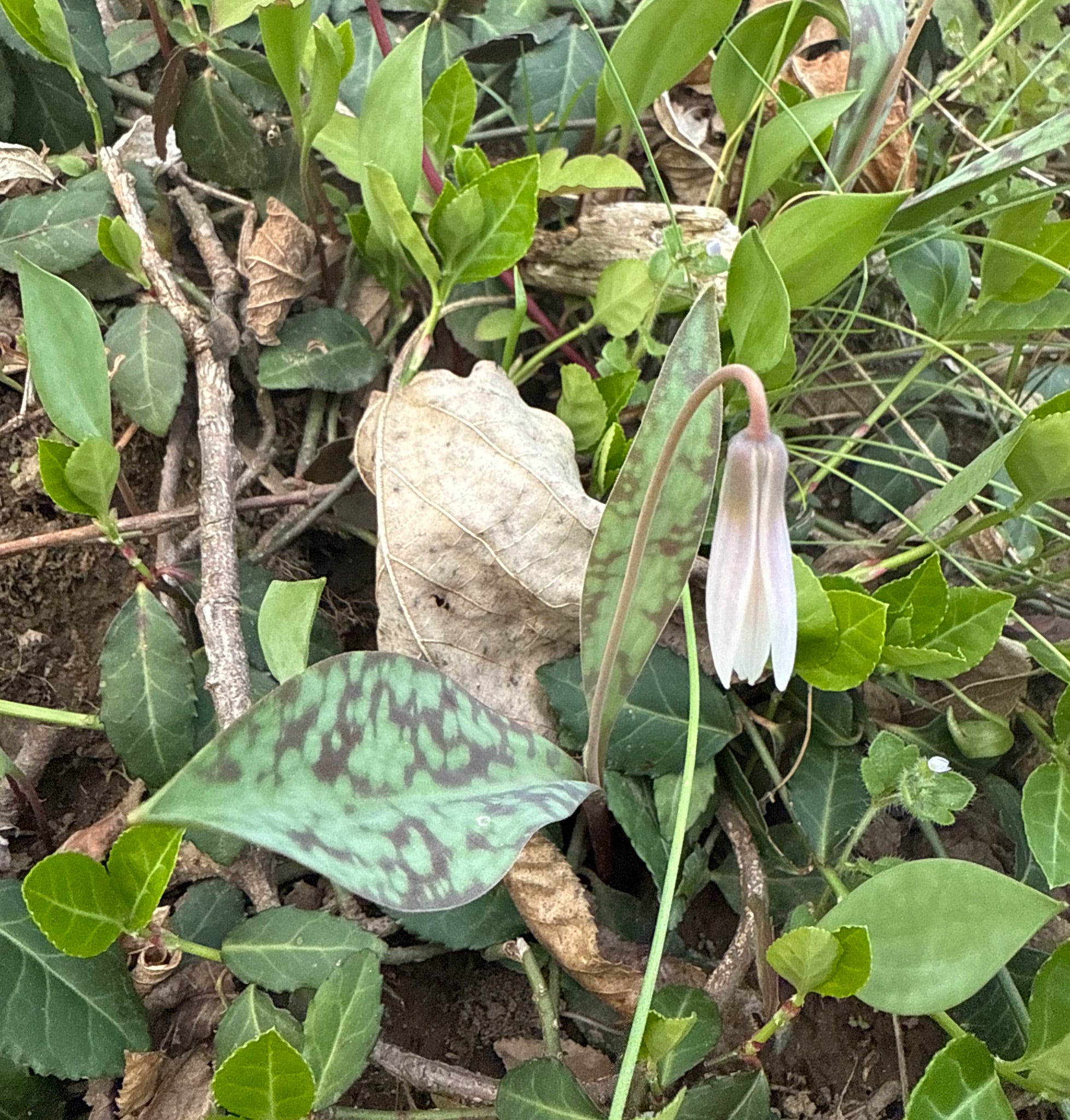
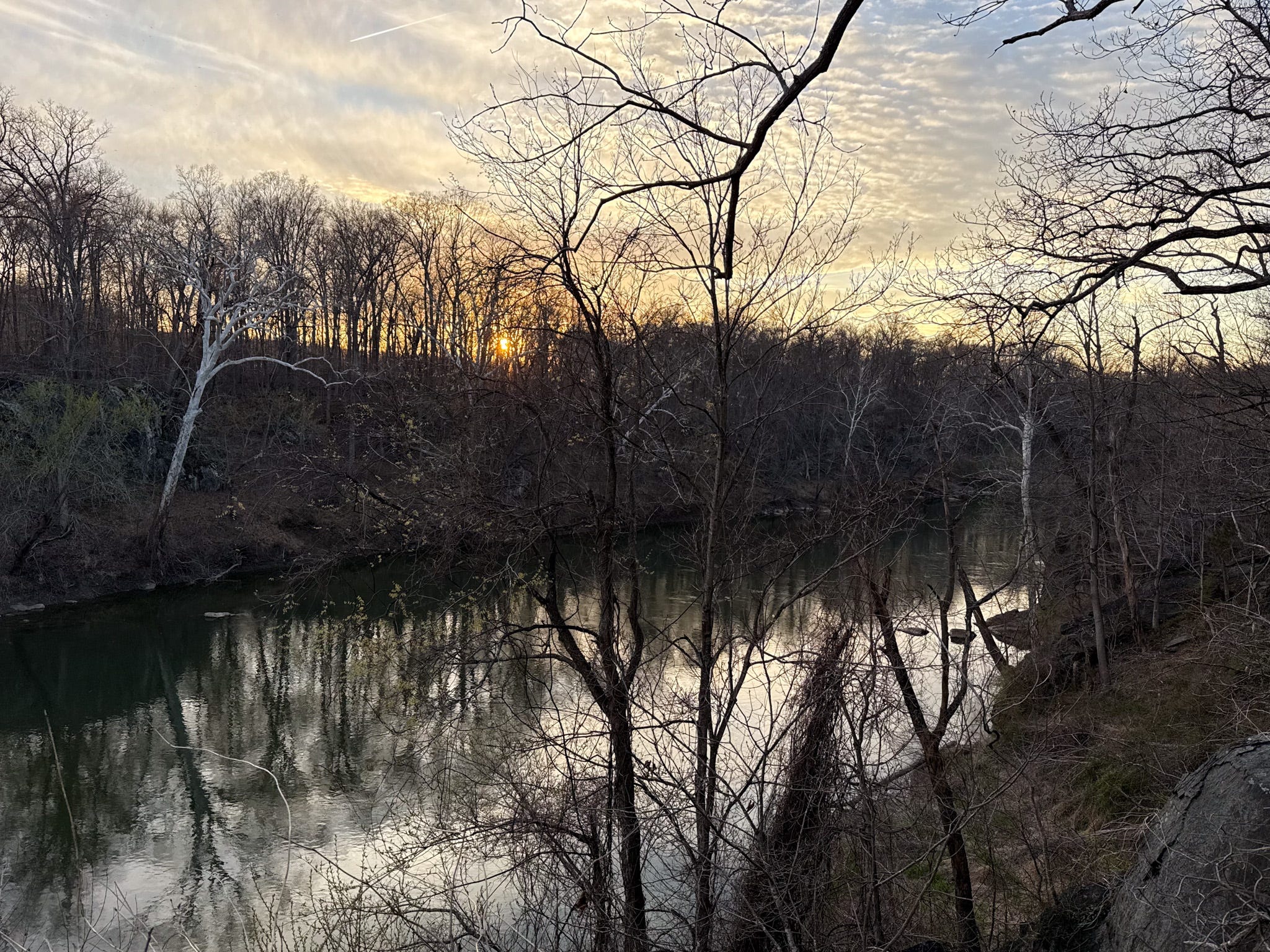
I wanted to make one more stop down river at Carderock for White Trout Lily (Erythronium albidum) and Ramps (Allium tricoccum). It was getting late, so we needed to push. We parked at Carderock and walked down river. Native plant enthusiast Beata Buzas had photographed White Trout Lilies at this location earlier in the week, so I was hopeful that we would find some plants in bloom. Yellow Trout Lilies (Erythronium americanum) are cool, but White Trout Lilies are REALLY cool! We found a patch of blooming plants as the sun was setting. These plants are rare in Maryland. They are patchily found along the Potomac River from Cumberland, south into Montgomery County.
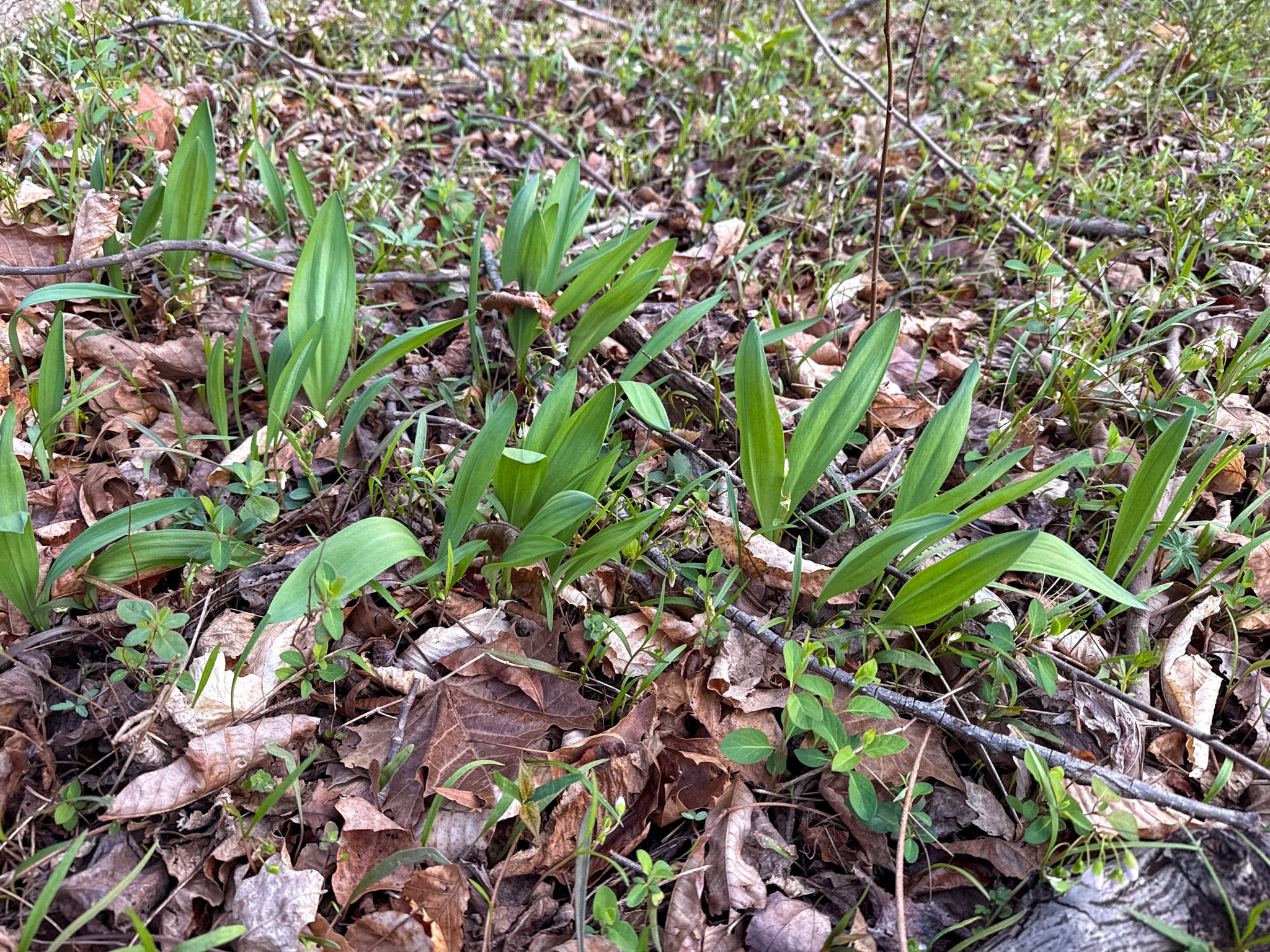
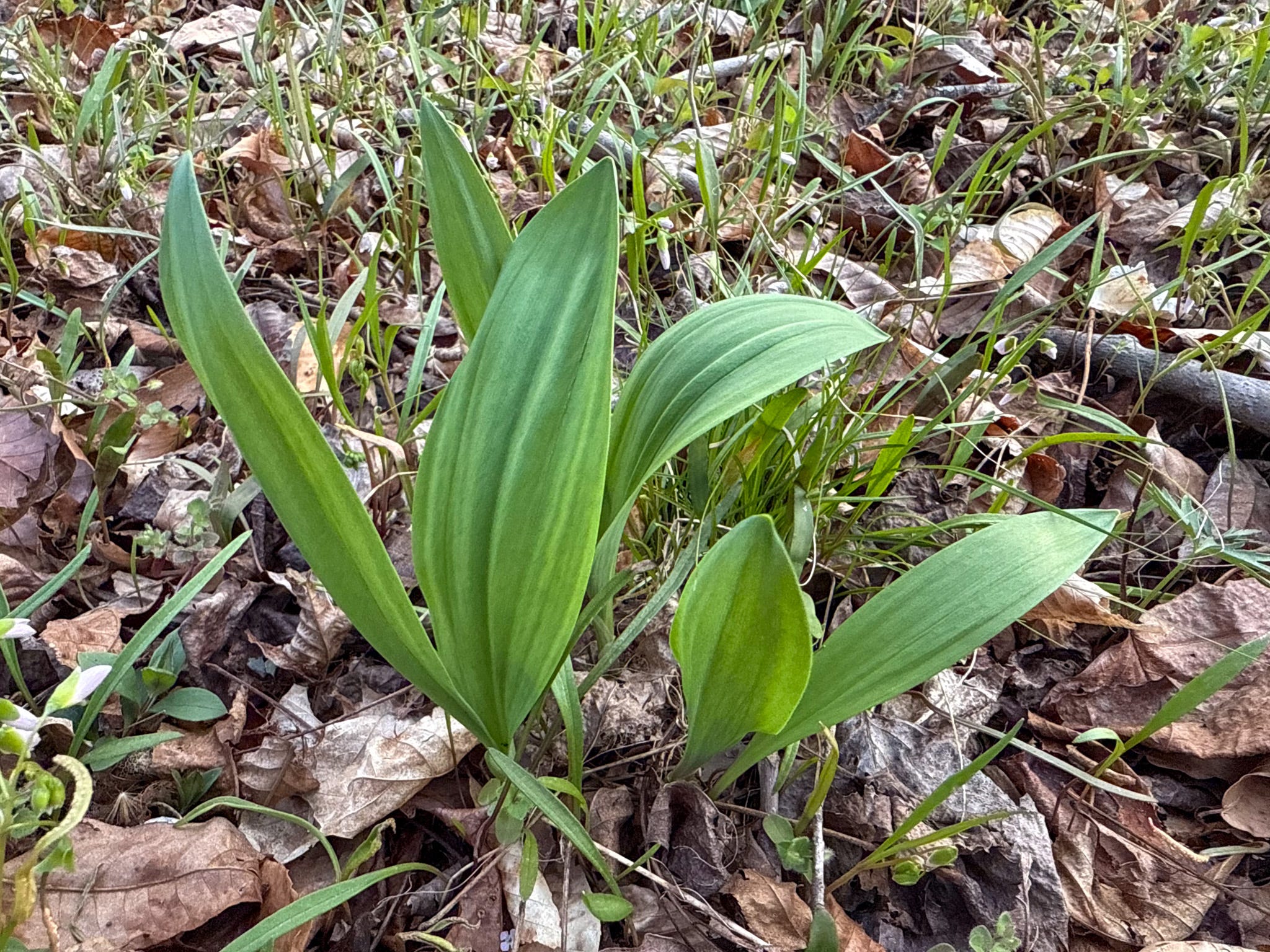
We pressed on to our Ramps location. I had observed them here years ago. I remember a large patch of over a hundred plants growing on a hillside. We found around ten plants. Ramps are often over-harvested and many populations have been wiped out due to human disturbance.
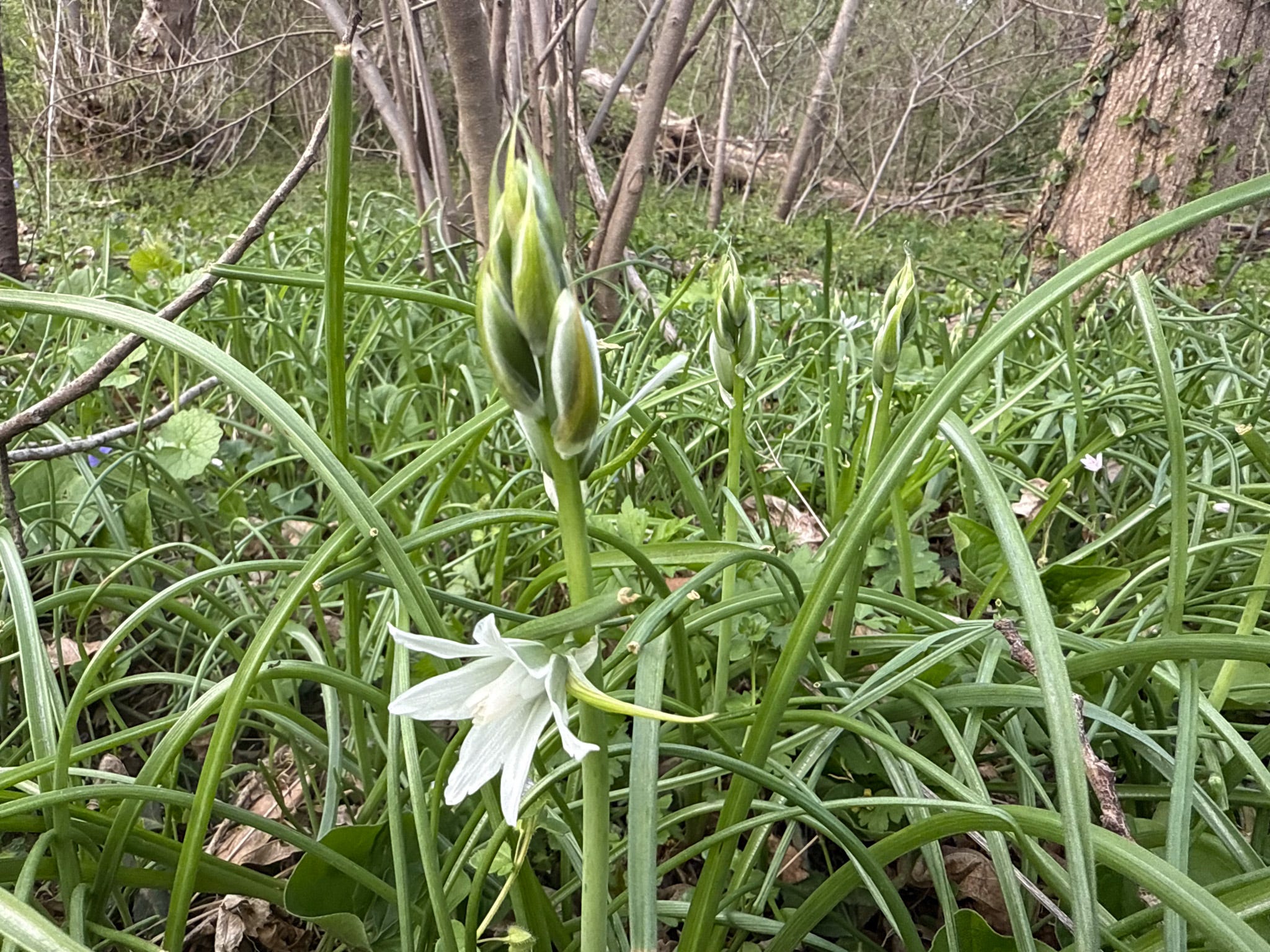
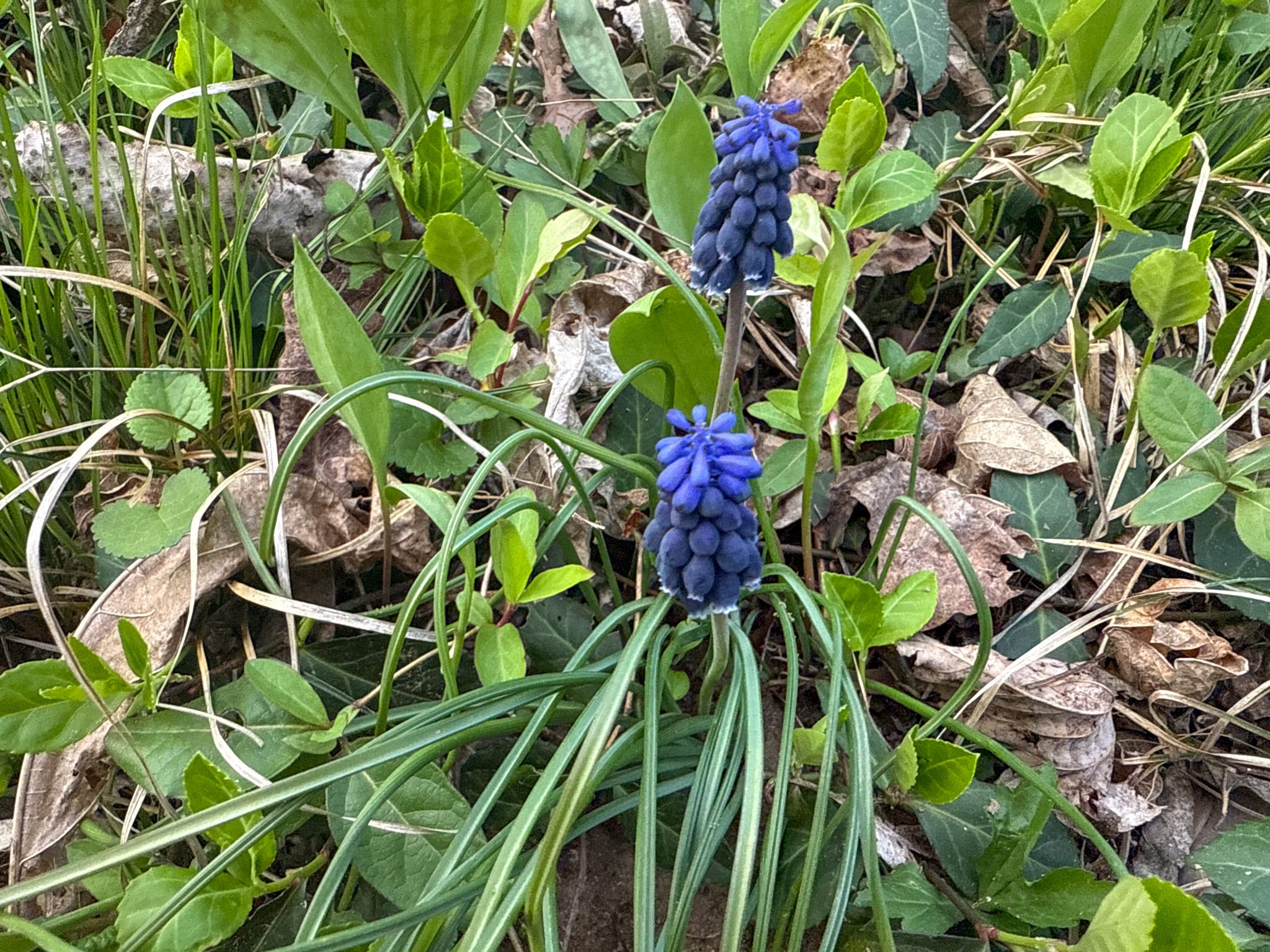
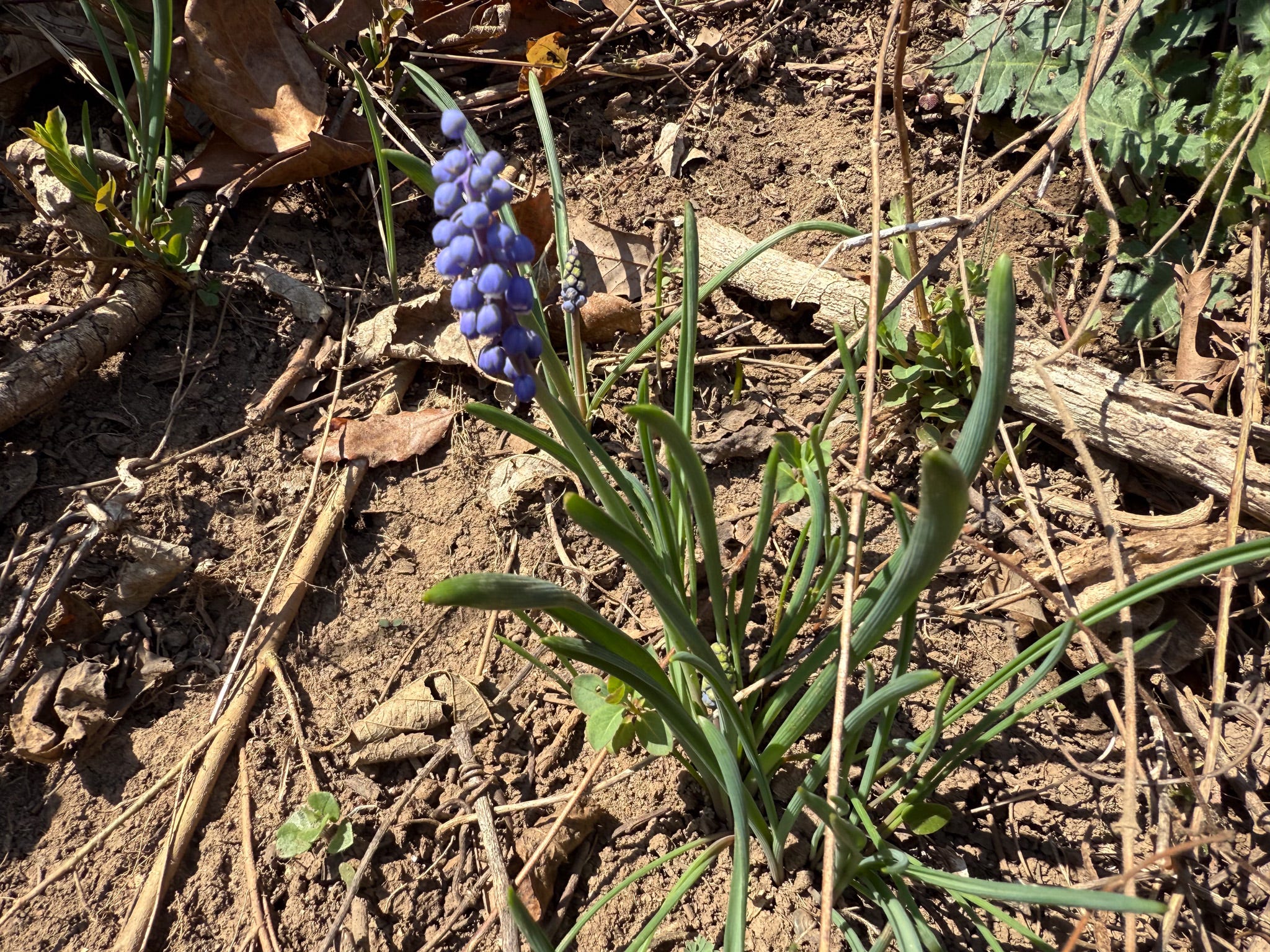
On the way back to the parking lot we ticked our final plants of the day. We saw a patch of Drooping Star of Bethlehem (*Ornithogalum nutans) and the other grape hyacinth - Starch Grape Hyacinth (*Muscari neglectum). The two grape hyacinths can easily be separated by looking at their leaves. Starch Grape Hyacinth has narrow leaves (1 -3 mm). Common Grape Hyacinth has much wider leaves (3 - 8mm). Common Grape Hyacinth leaves are also flat when compared to the more terete leaves of Starch Grape Hyacinth.
Even though the day started out a bit rocky, we ended up with over 50 new plants for the year. April is going to be crazy!
Super neat! I eagerly await each update. I feel a little better about the fear I feel when trying to distinguish Amelanchier species (tbh I am fine just leaving them at genus for iNat purposes...). The most surprisingly useful part of this for me is your ID tips separating common introduced/invasive species! Thanks for these. It is really hard to find info or relevant keys for these.
My main goal for March was to catch Twinleaf blooming (I had missed it last year and only found the leaves, which to be fair, are gorgeous as well). I was able to find them at Carderock, so I was very pleased about that. Now for April, I am debating if I can convince myself to drive as far as Pocomoke or not... LOL. I have only ever seen Trillium sessile in the wild (and some past-bloom Pacific trilliums out West I suppose) and would love to see pusillum or grandiflorum this year. Not doing anything like your 'big year,' just trying to find cool plants generally.
Great read! I enjoyed imagining making those discoveries, in the field, along with you and Tom. This photos speak a thousand words, particularly those of the direct comparisons, such as with the Cardamine.
As always, I’ve learned so much, and will no doubt forget at least half. Carry on!